
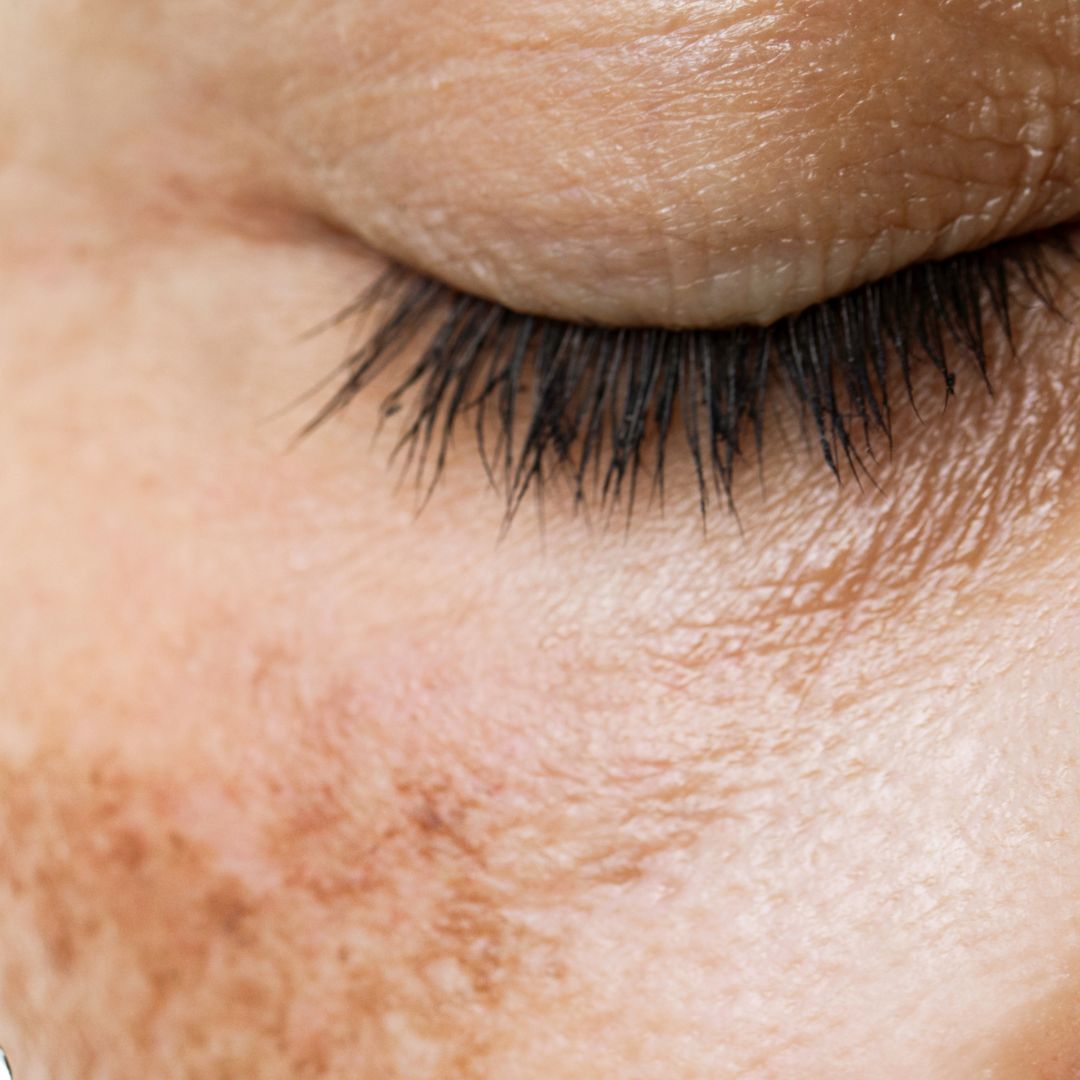
Everything You Need to Know About
Pigment spots and hyperpigmentation
Hyperpigmentation refers to pigmented spots—also known as brown or dark spots —that can affect any skin type and appear on the face as well as on various parts of the body (décolleté, legs, back, hands, etc.). They can result from a variety of causes. Understanding the mechanisms behind their formation is essential for adopting effective skincare and prevention routines.
What causes pigment spots?
Brownish pigment spots result from hyperpigmentation of the skin. The main cause? Excessive production of melanin, the pigment responsible for skin color. Several factors can trigger increased melanin production.
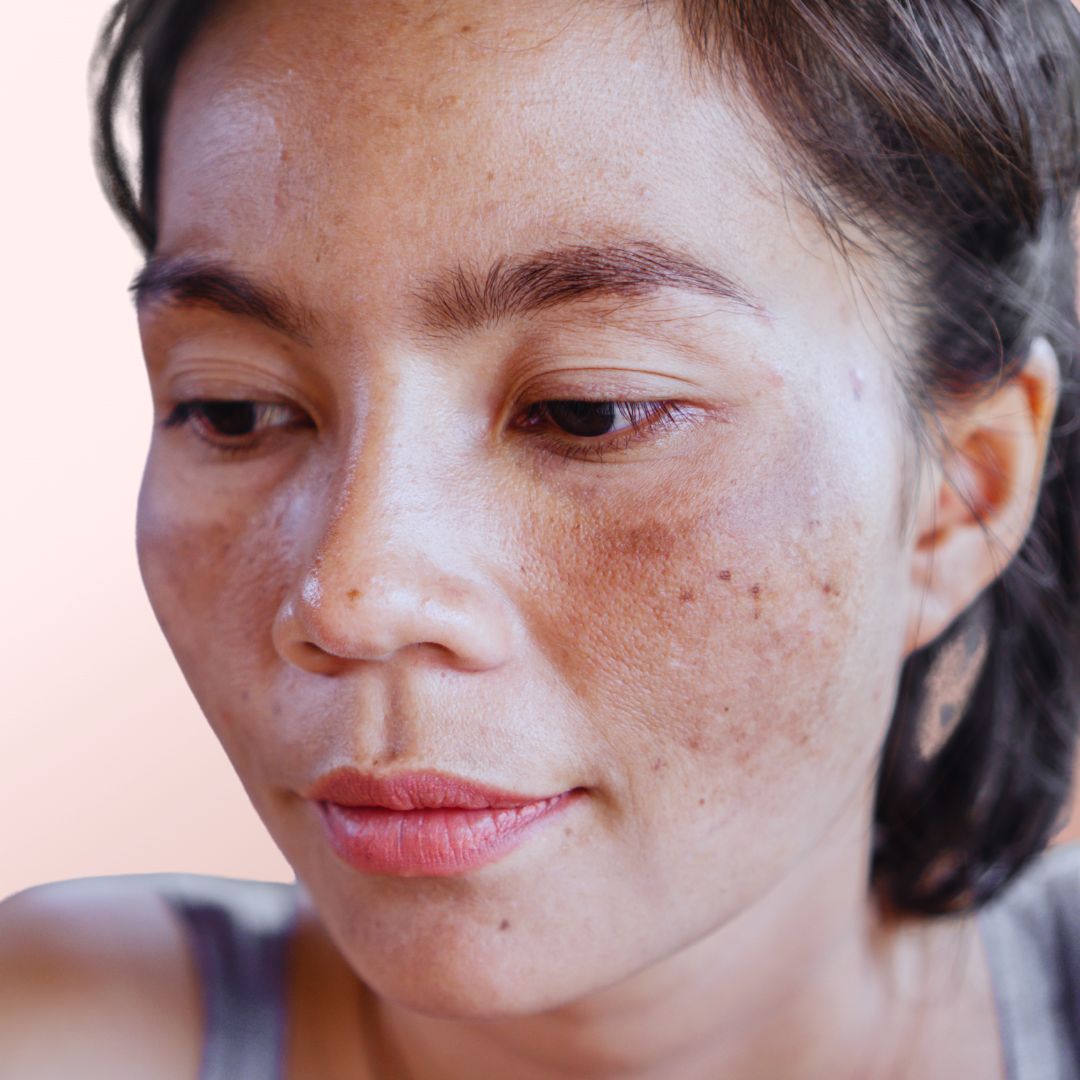
Sun Exposure
Prolonged and repeated exposure to the sun is one of the main causes of pigment spots. This is because ultraviolet (UV) rays stimulate the production of melanin, which acts as a protective barrier for the skin and limits the damage caused by UV rays. However, excessive exposure often leads to an overproduction of melanin, resulting in the formation of brown spots. Contrary to popular belief, this affects all skin tones, from the lightest to the darkest.

Hormonal Imbalances
Hormonal imbalances, such as those that occur during pregnancy or menopause, can affect melanin production and lead to the appearance of pigment spots. The "pregnancy mask" (also known as melasma) is often cited as an example.

Skin Inflammation
Skin inflammation, such as acne or burns, can trigger excessive melanin production, leaving behind residual pigmentation spots. This is particularly true for darker skin types (4 through 6).

Skin aging or lentigo
Skin aging also contributes to the formation of pigment spots. As we age, cell regeneration slows down, which can lead to a buildup of melanin and the appearance of pigment spots known as “age spots” or lentigines. While all skin tones are affected, so-called Caucasian skin is affected at an earlier age. However, on olive and Black skin, pigment spots are more pronounced.
Anti-Stain Products for the Face & Body

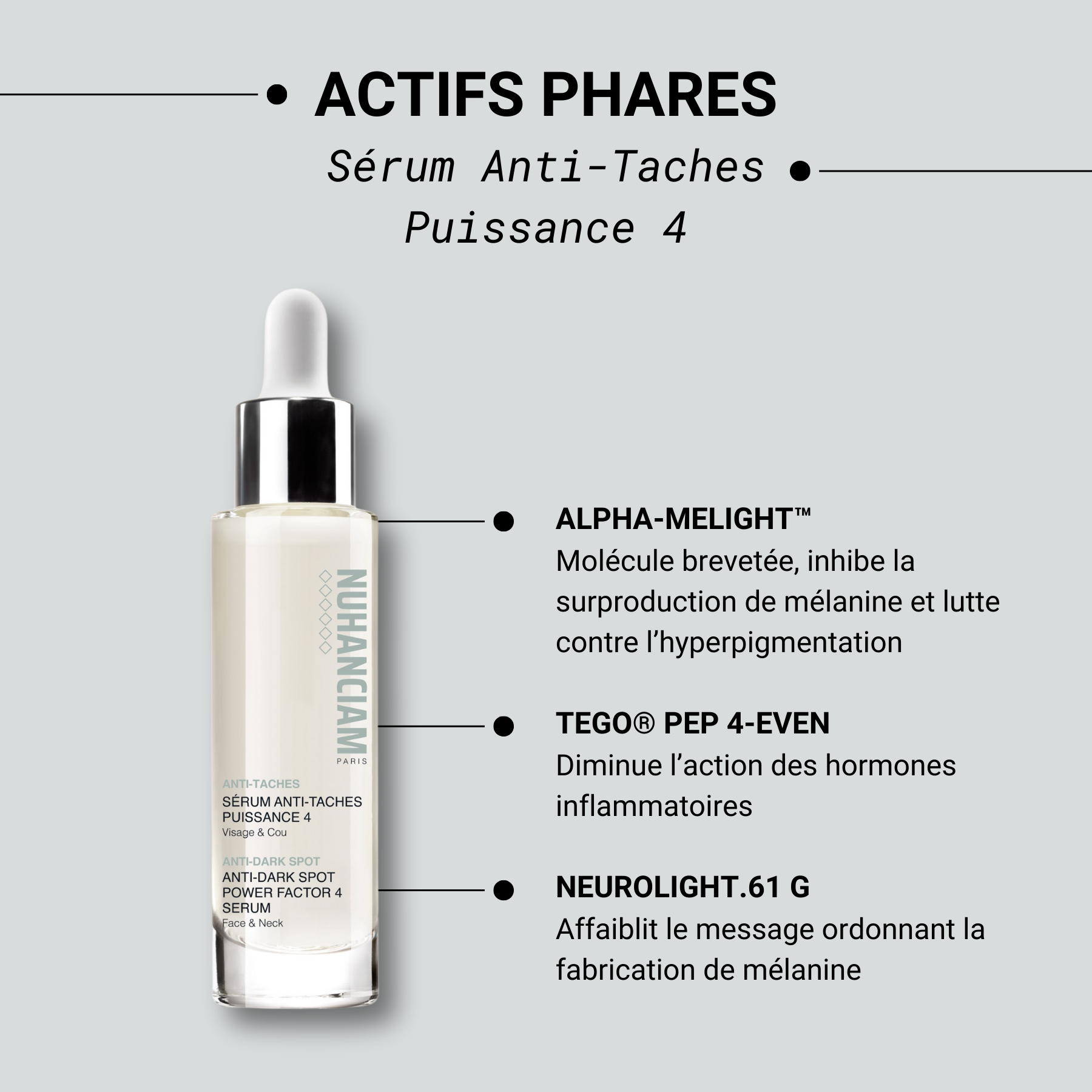

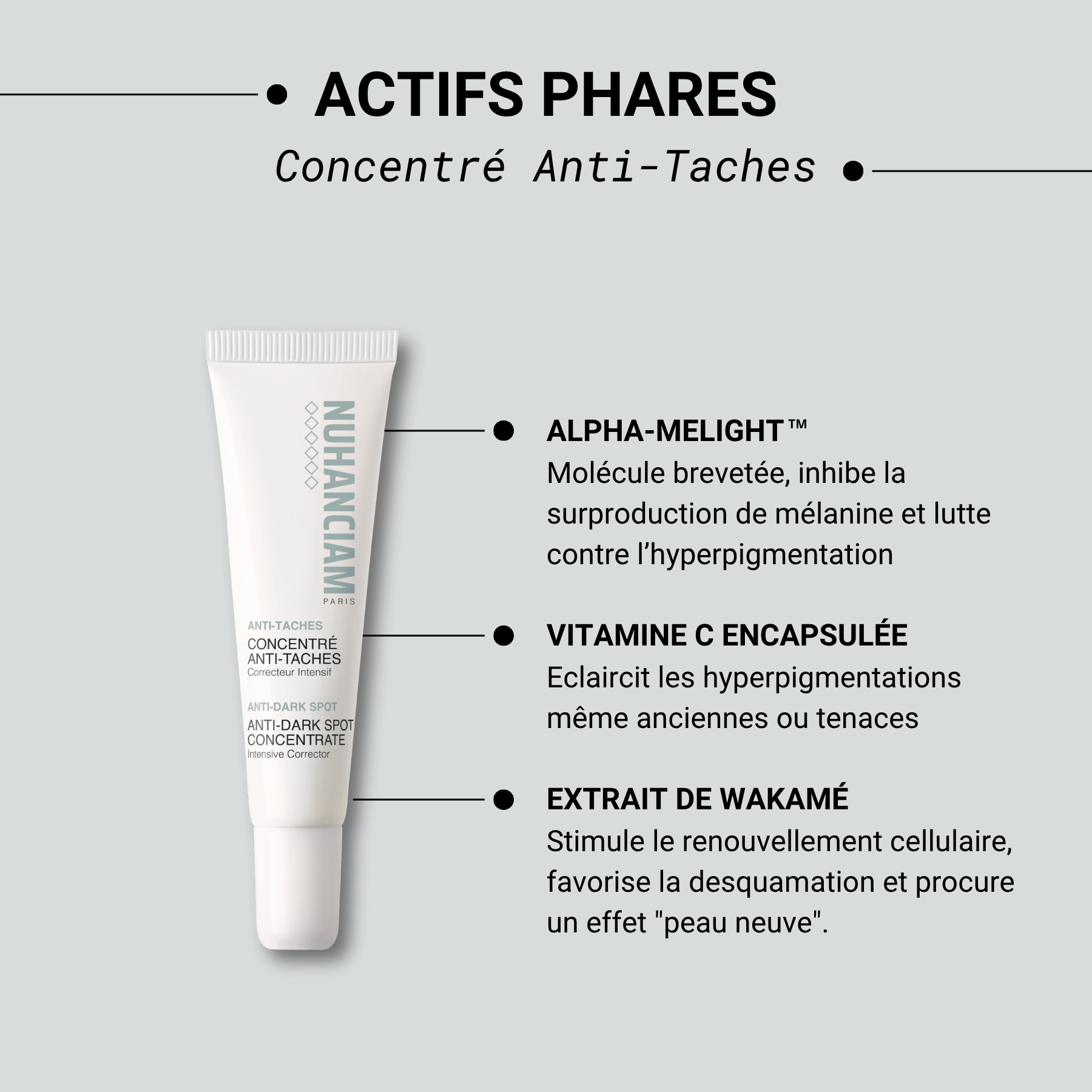

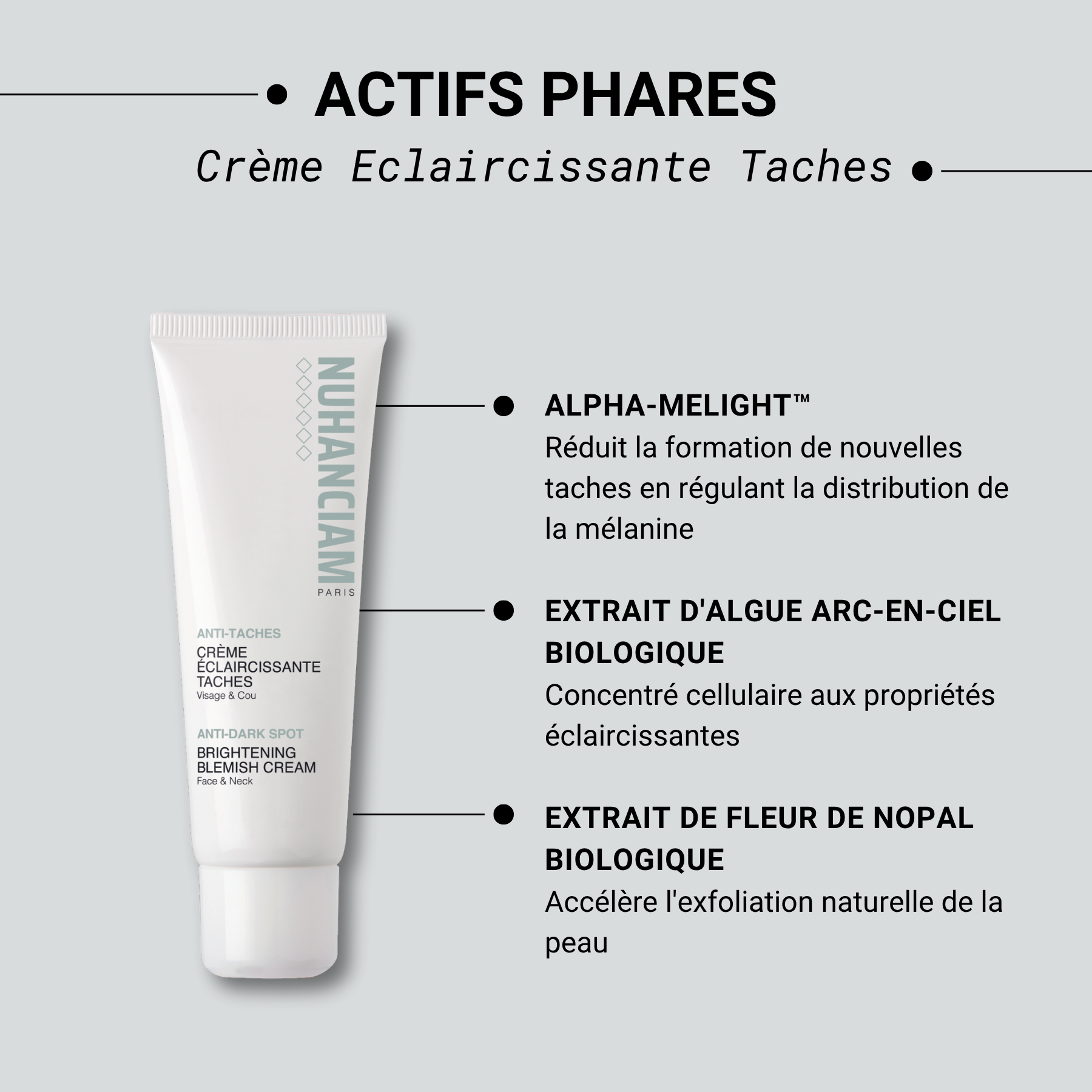

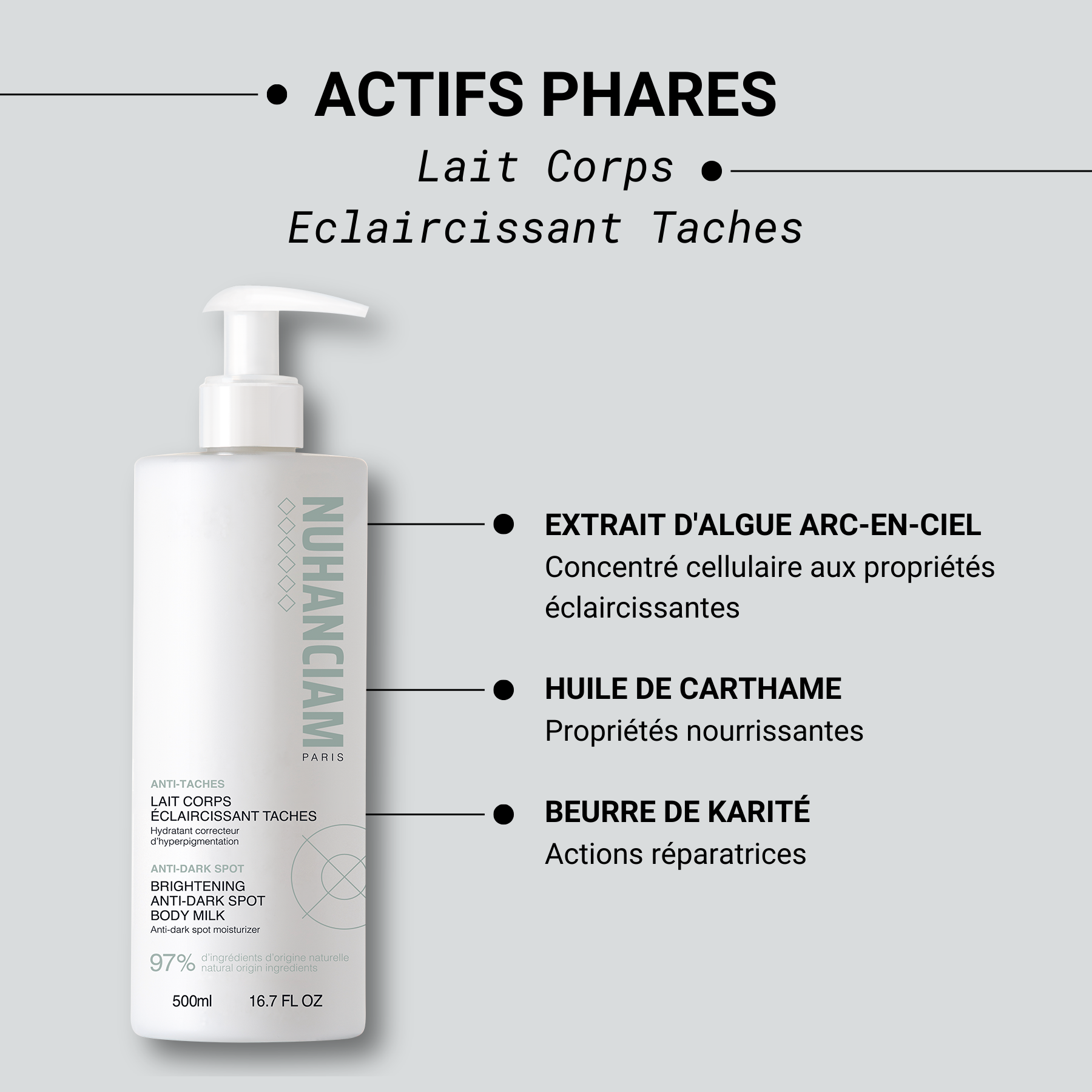

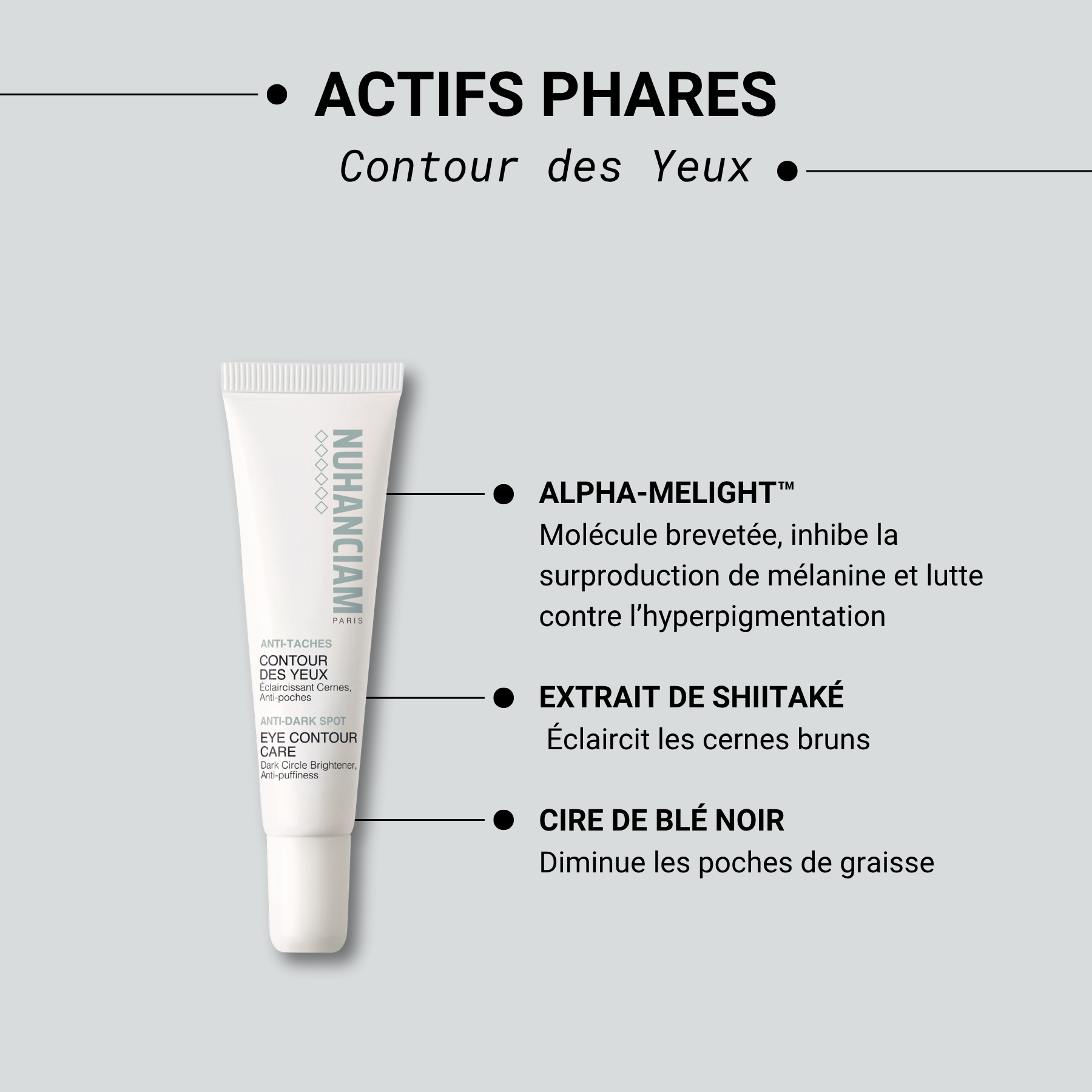
The Different Types of Pigment Spots
While pigmentation spots affect all of us, it’s important to note that they are not all the same and come in many forms.

Age spots
Age spots are brown or gray spots, often caused by prolonged sun exposure and skin aging. They appear on the face, body, or hands, and are very common in skin types 1 and 2.
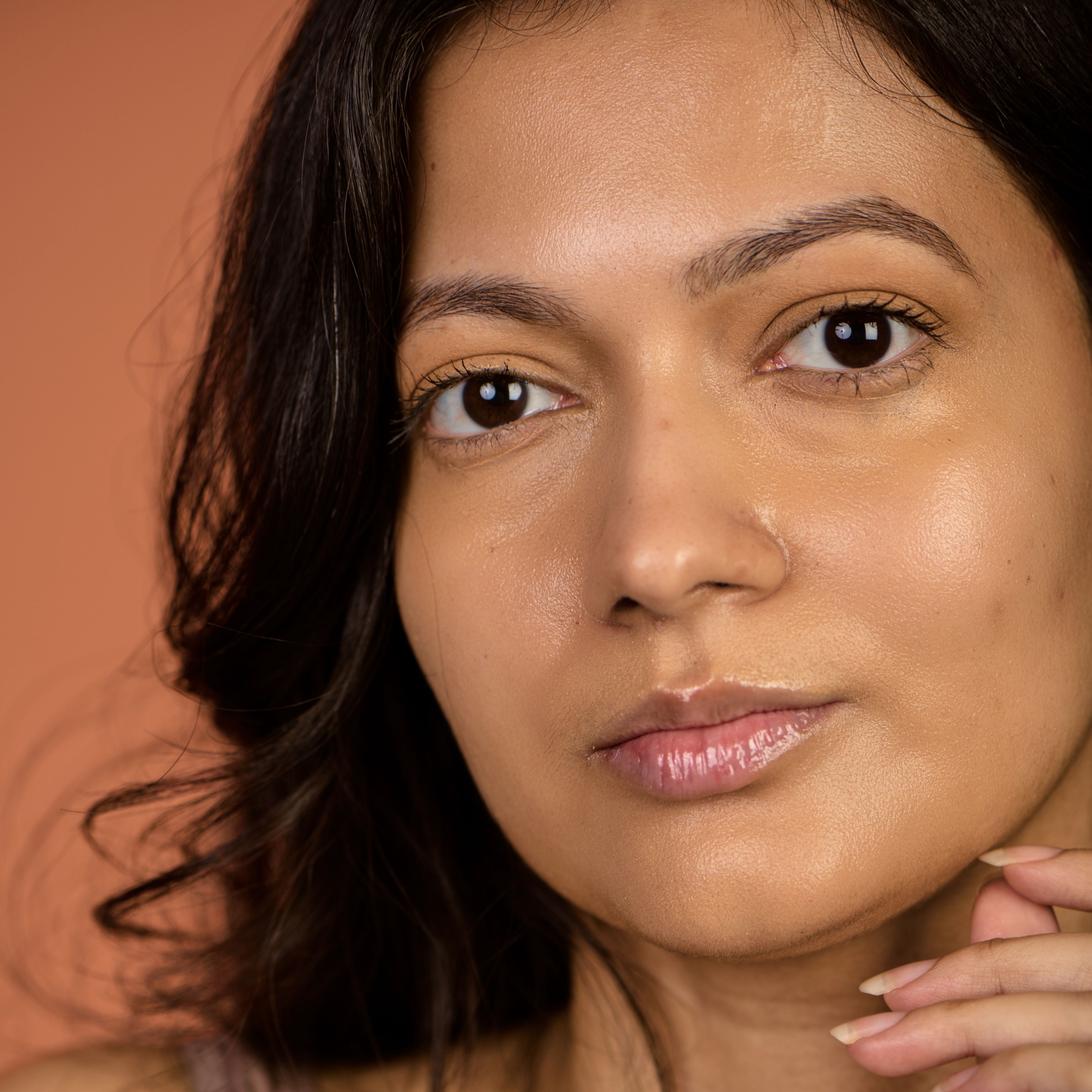
Sunspots
"Sunspots" are generally found in people with fair skin, but they can also appear in people with olive, mixed-race, or black skin. They are caused by frequent exposure to the sun without sunscreen.
Melasma
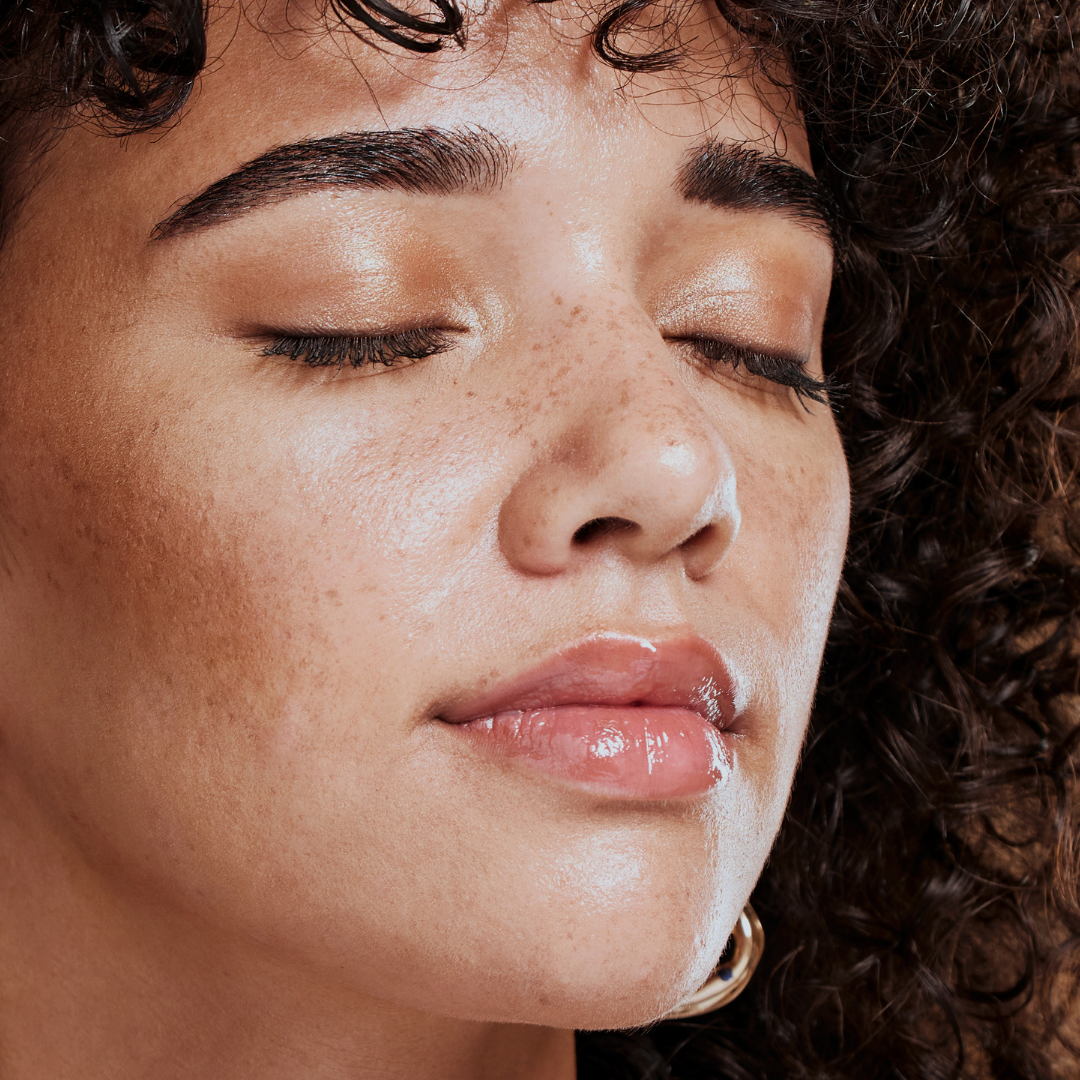
Due to hormonal changes, irregular and symmetrical pigmented spots may appear during pregnancy, often on the face: this is melasma, also known as the “pregnancy mask.” Contrary to popular belief, men can also be affected.
Anti-Stain Products for the Face & Body
Prevention and Treatment of Pigment Spots
The prevention and treatment of pigmentation spots often require a multifaceted approach. As soon as brown spots appear, it’s important to adopt a routine that will prevent them from becoming permanent. In fact, the later treatment begins, the lower the chances are that the skin spots will disappear. If the spots are caused by acne or eczema, the priority should be to treat the underlying causes. Once the skincare regimen is established and completed, a routine specifically targeting the spots can then be implemented. In all cases, products with impeccable formulations that do not bleach the skin should be prioritized. The goal of a dark spot treatment is to eliminate or reduce the visibility of dark spots while evening out the skin tone.
Sun Protection
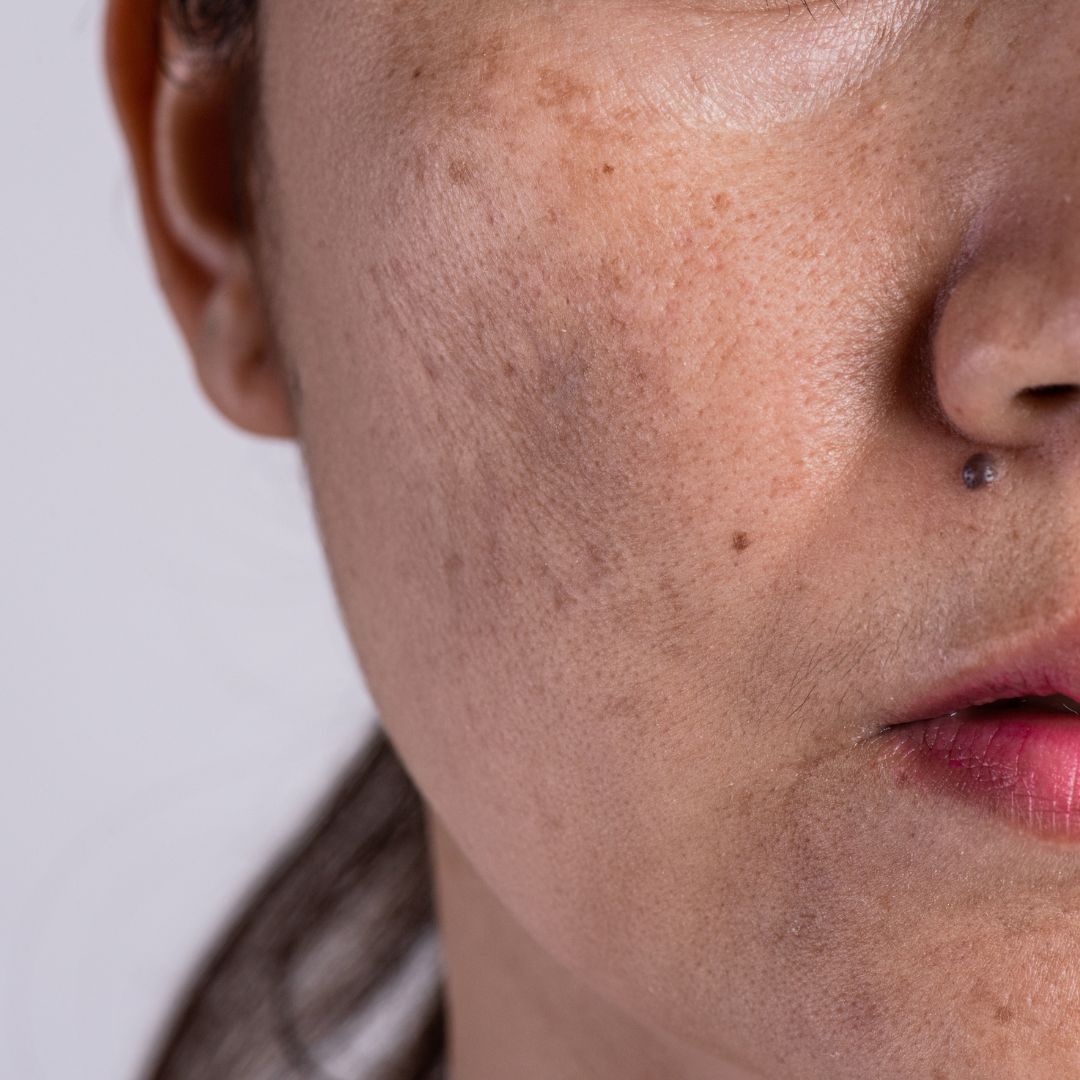
Daily use of a broad-spectrum sunscreen (protection against UVA and UVB rays) with a very high sun protection factor (SPF 50 or 50+) is essential for preventing pigment spots caused by sun exposure. All skin types, from the lightest to the darkest, need to protect themselves from the sun, especially since UVA rays are present year-round, even on cloudy days.
Topical Treatments
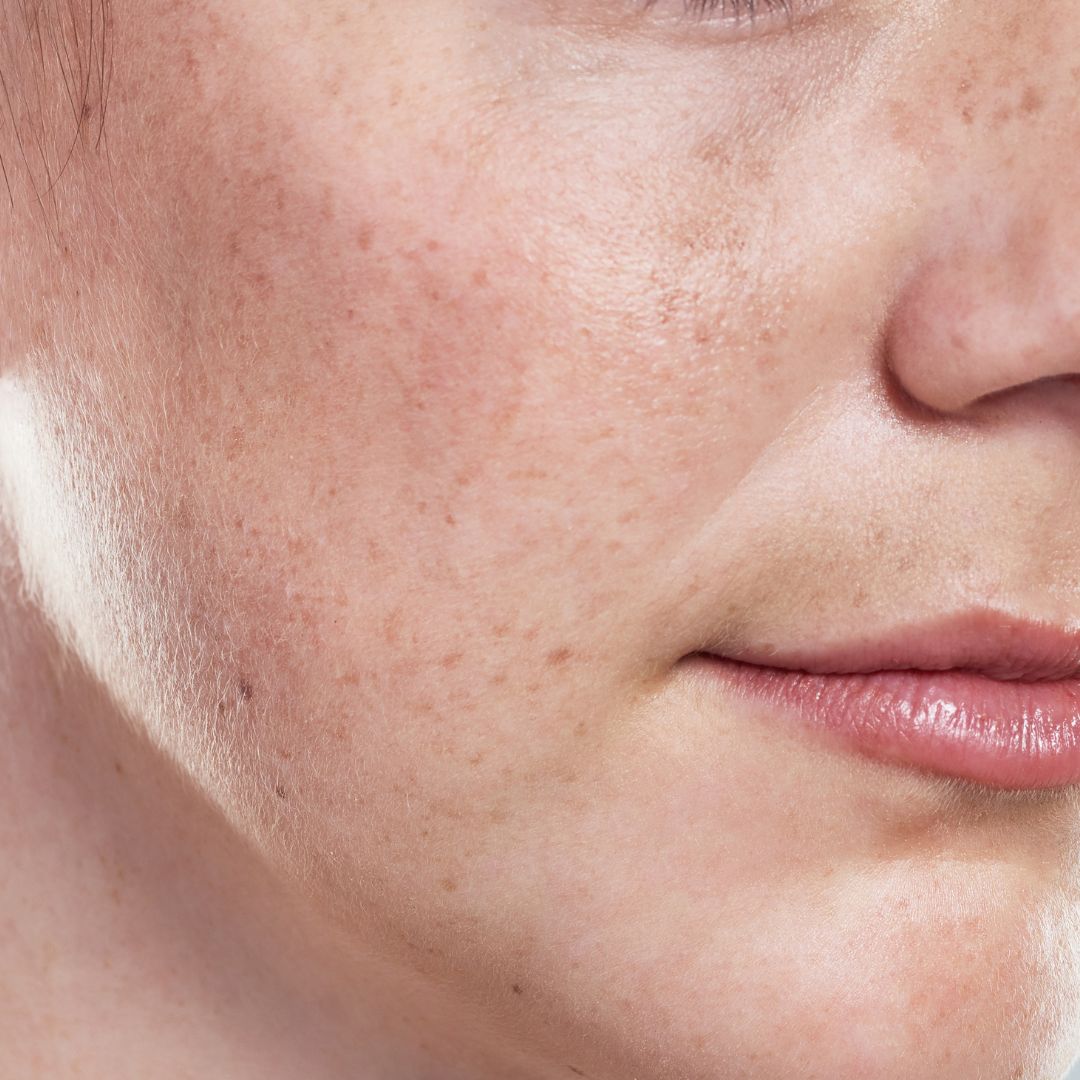
A topical treatment is a product that you apply to your skin, such as a serum or cream. Applying facial creams or body lotions containing ingredients with anti-dark spot properties—such as Alpha Melight™ or rainbow algae—can help reduce the appearance of dark spots by inhibiting melanin production and promoting cell renewal.
Dermatological Procedures
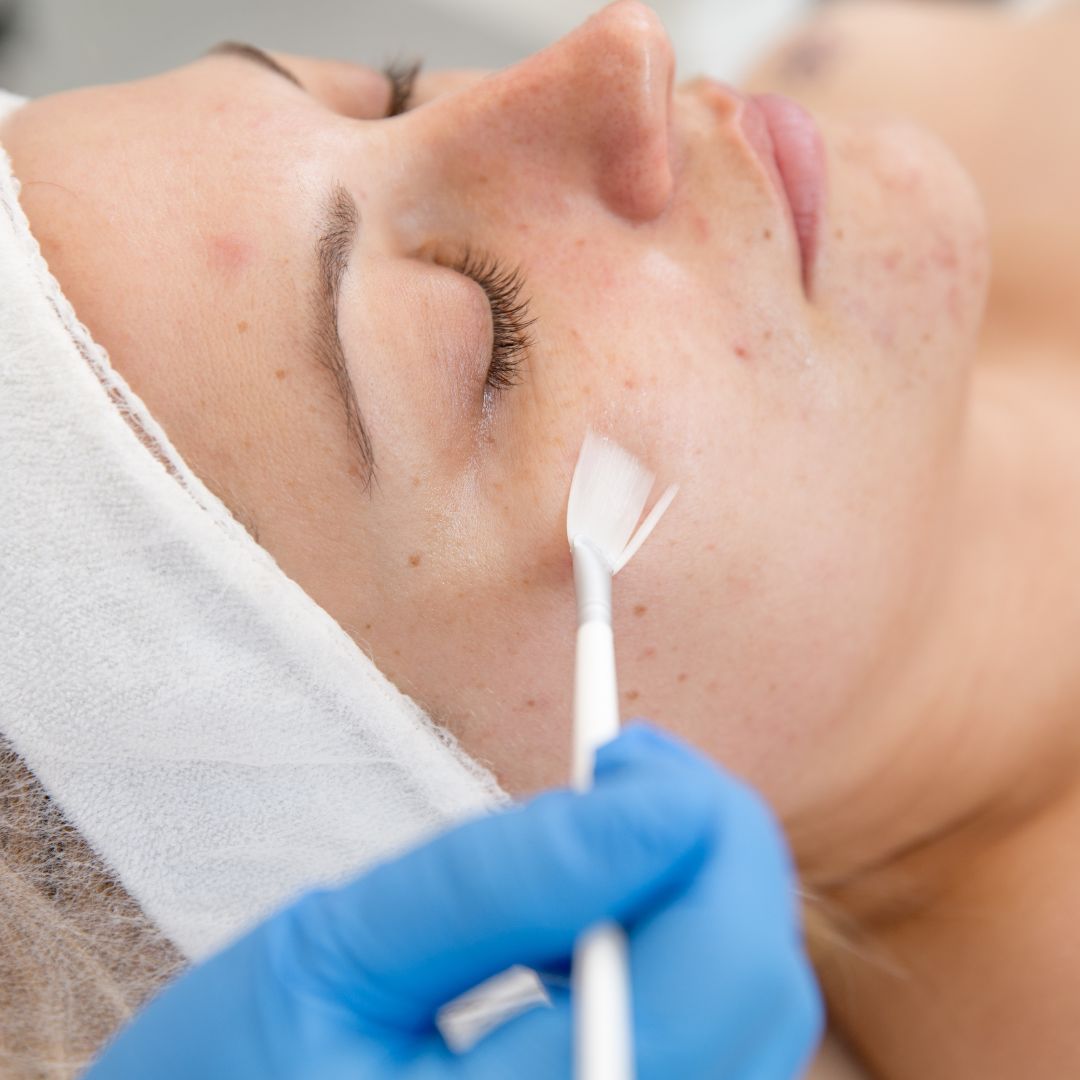
Treatments such as chemical peels, microdermabrasion, lasers, and light therapy are effective options for treating dark spots and may be recommended, but only after consulting your dermatologist.