

Caring for Your Naturally Black or Dark Skin
Dark skin (phototypes 4 through 6)
Although the structure of the skin remains constant, the amount of melanin varies, allowing us to distinguish between different skin types. Among the six defined skin types , olive and black skin correspond to skin types 4 through 6—the highest numbers—because they contain the most melanin. For an effective skincare routine, using the right products is essential.

Olive and Black Skin Tones
What is olive skin?
Dark skin corresponds to phototype 4. With brown hair and skin that appears naturally tanned, without freckles, people with dark skin very rarely get sunburned. They tan quickly and develop a very dark tan.
What is black or mixed-race skin?
People with mixed-race to black skin have phototype 5 or 6. They have black hair, dark or black skin, no freckles, and very rarely get sunburned, although it is not impossible.
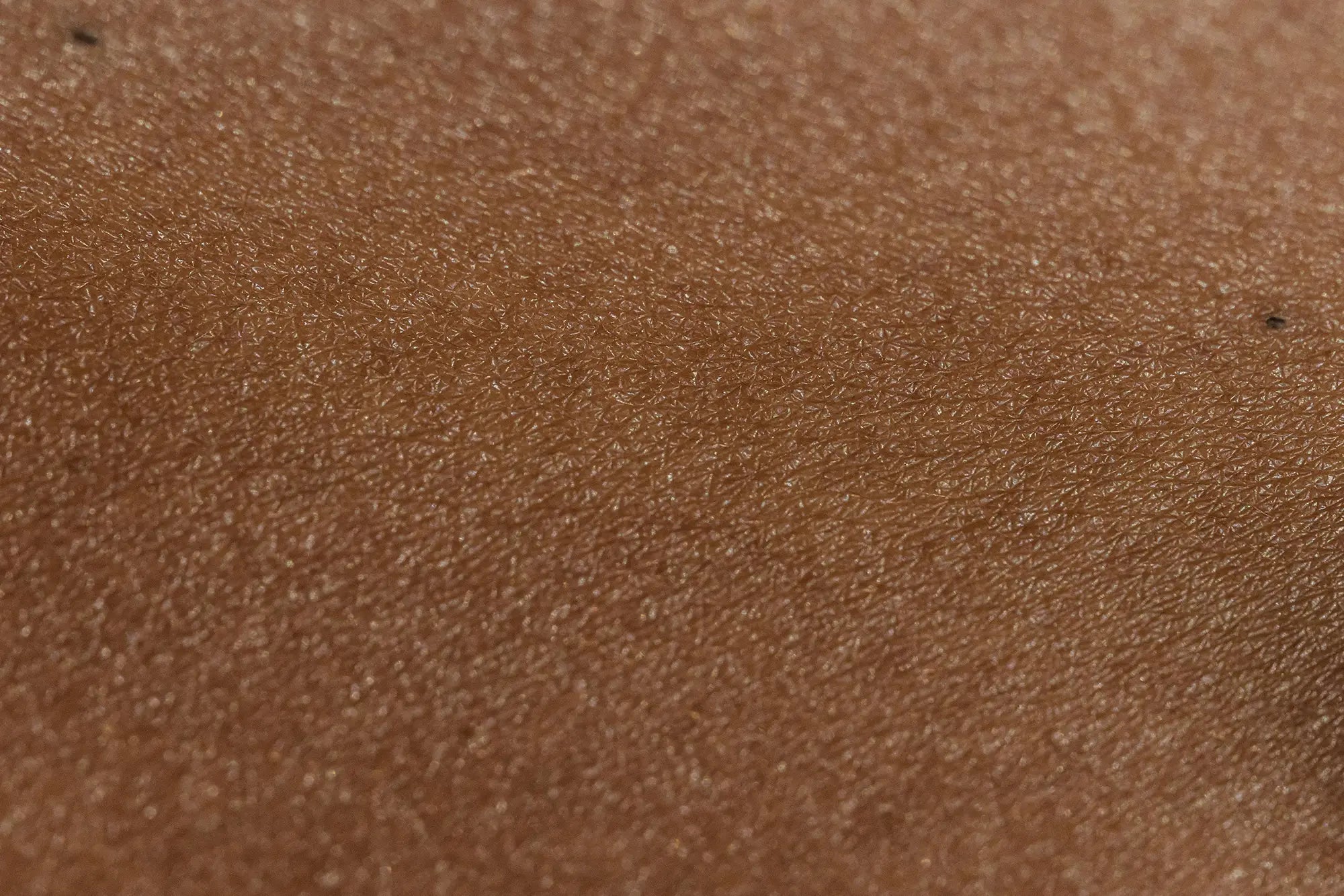
The Main Skin Concerns for Medium to Dark Skin Tones
Dehydration, dark spots…
Dark-skinned and black people are known to be more resistant to the sun’s UV rays. But having a high phototype does not protect you from their harmful effects. In fact, it was long believed that dark skin required little care, due to its resistance to the sun and its ability to resist premature wrinkling. And yet… Black skin is very delicate and requires special attention. It shows signs of damage easily, and any pigmentation spots thatappear can take a very long time to fade without specific care. That’s why cosmetics tailored to these specific needs are essential for daily use. One of the “myths” about dark skin is that it doesn’t need sun protection. That’s not true! Black and olive skin, even though its high melanin content offers more protection from the sun than fair skin, is also prone to sunburn. On average, 15% of UV rays reach the deeper layers of the epidermis. It is therefore very important to applyappropriatesunscreentoprevent redness and dark spots, among other issues.

Pigment spots on dark skin
Issue No. 1
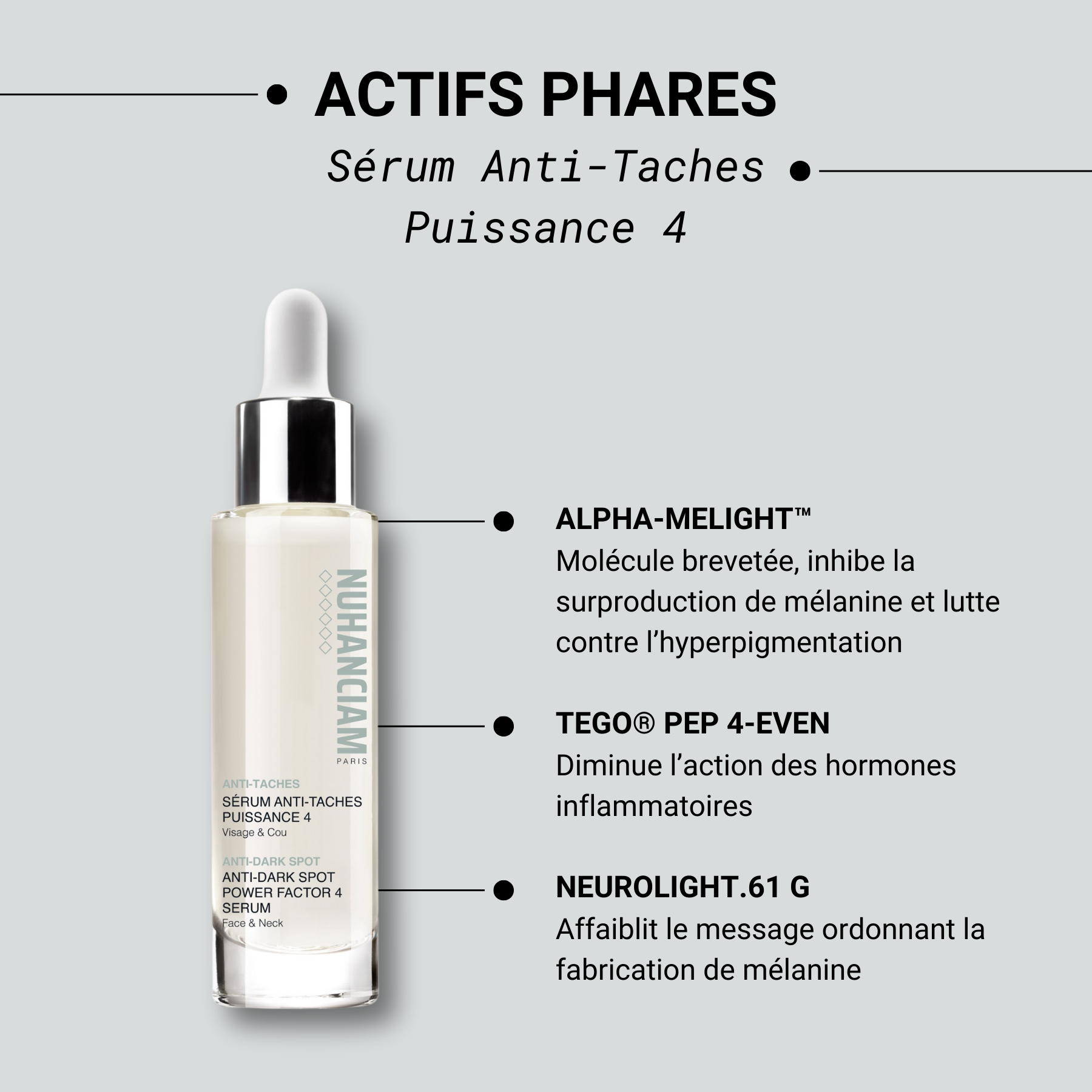
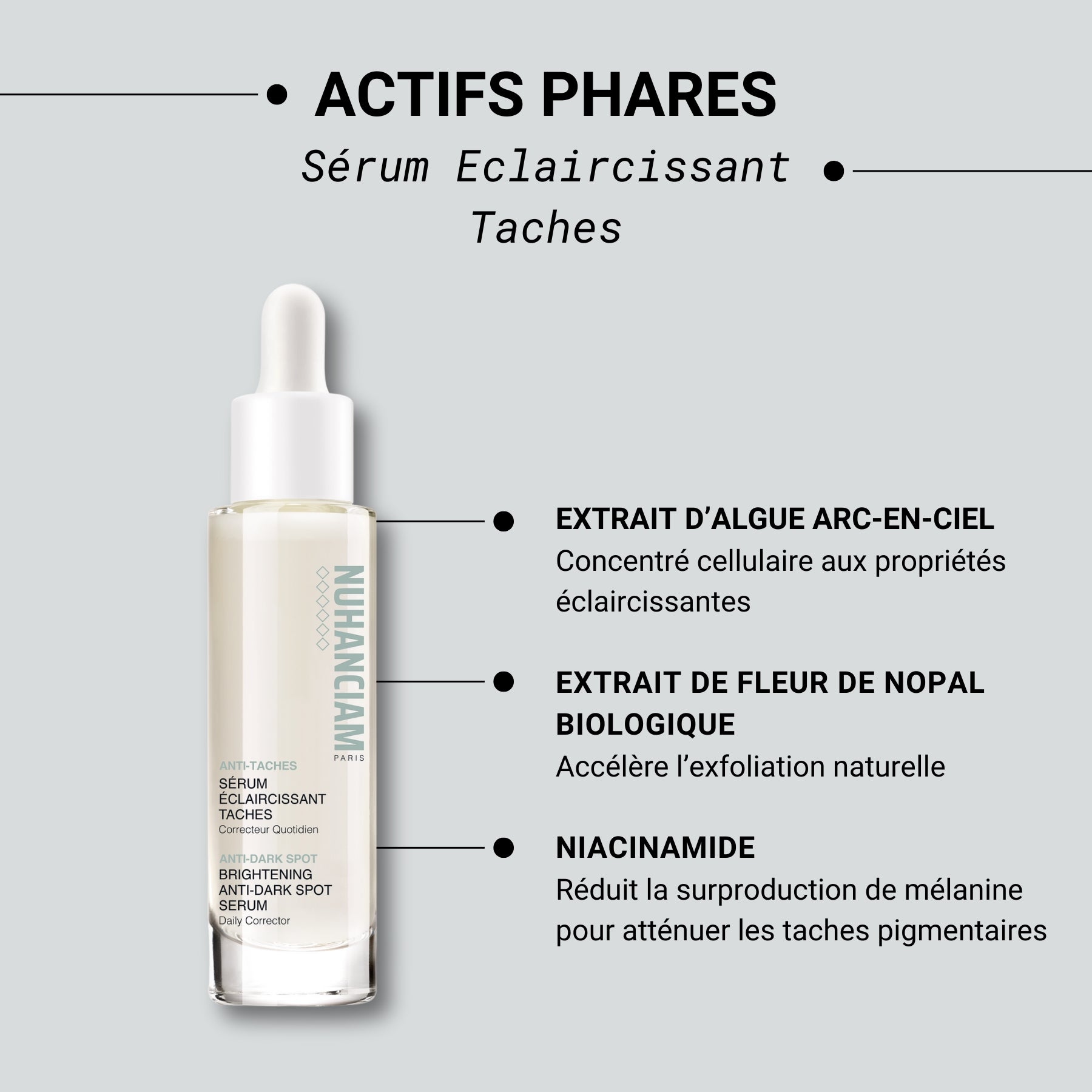
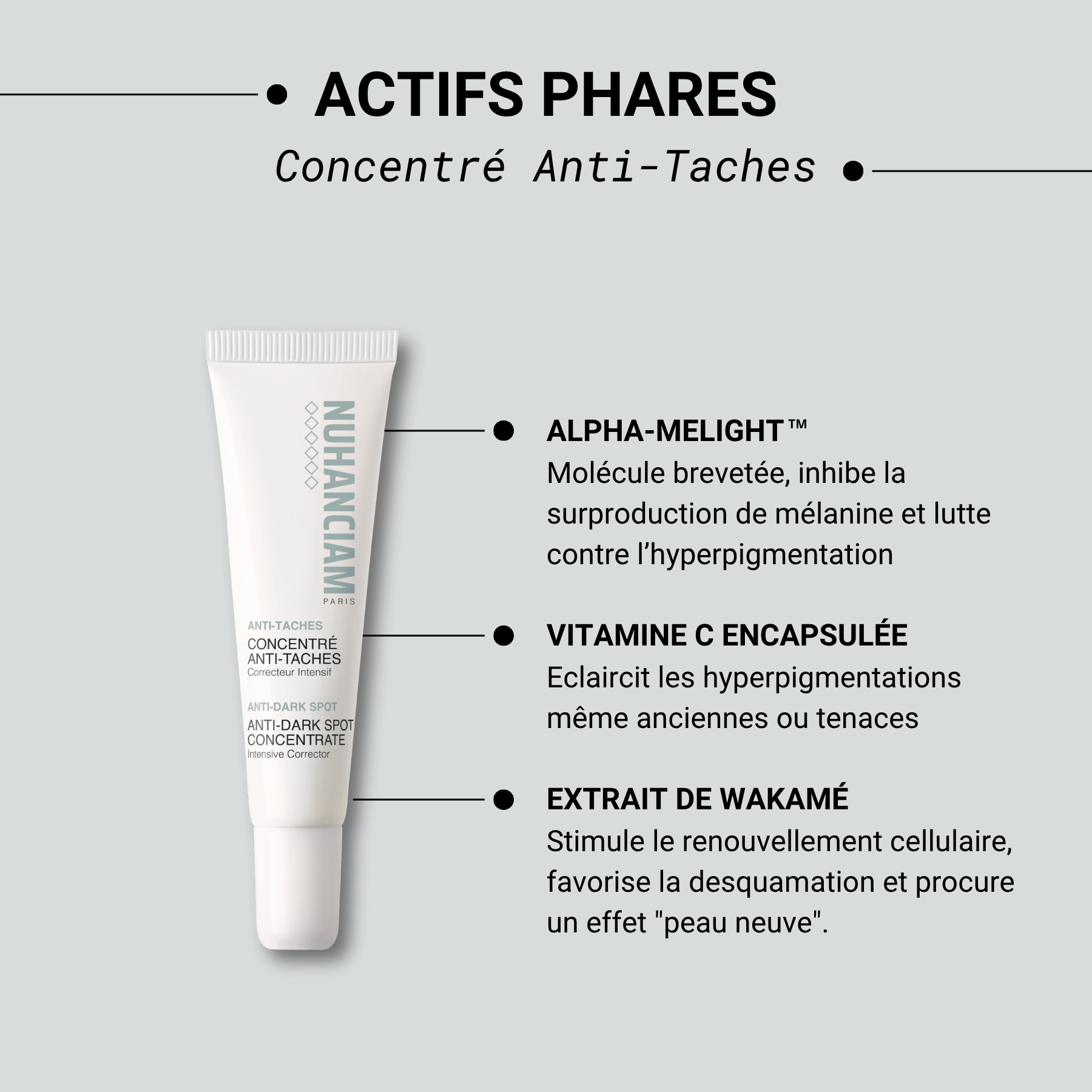
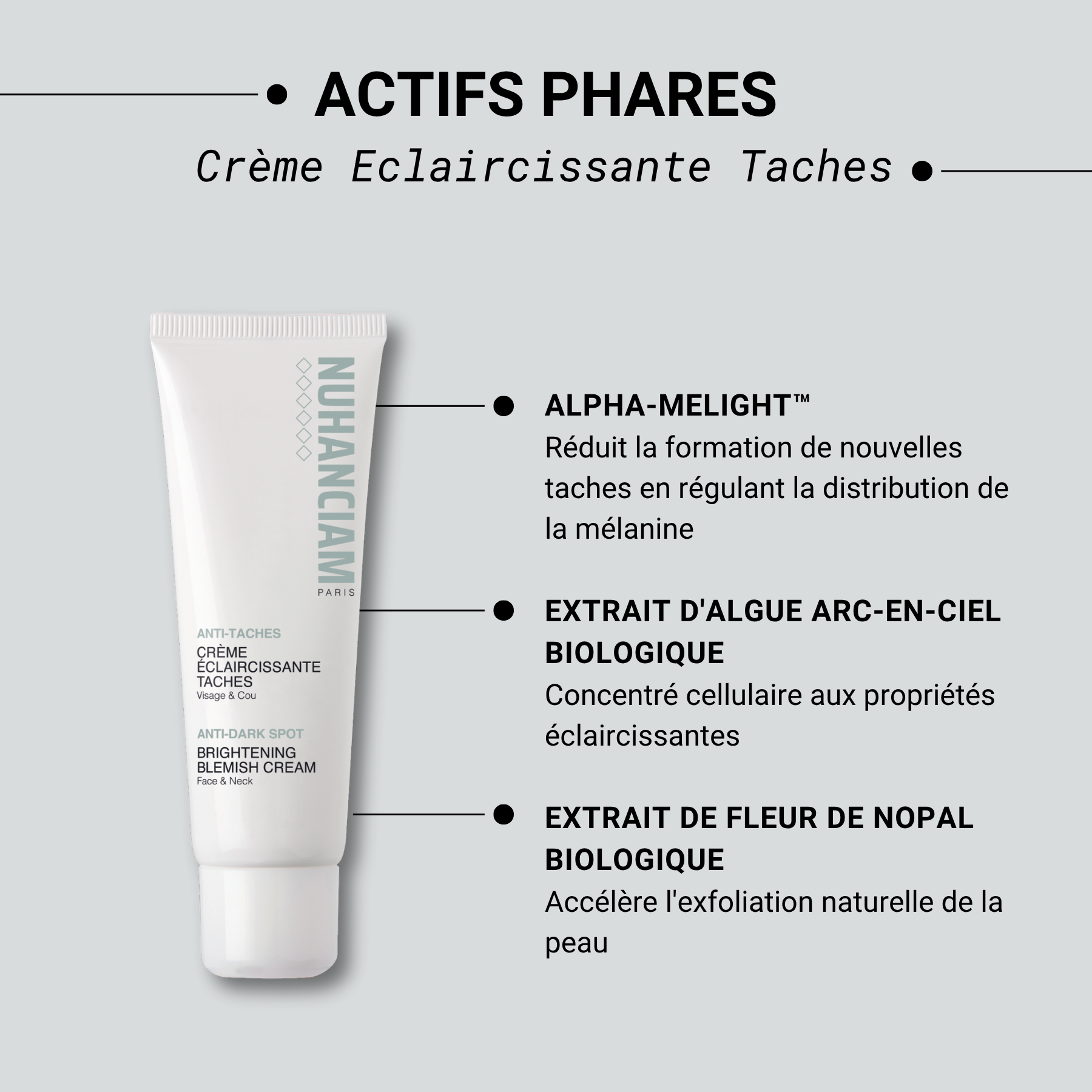
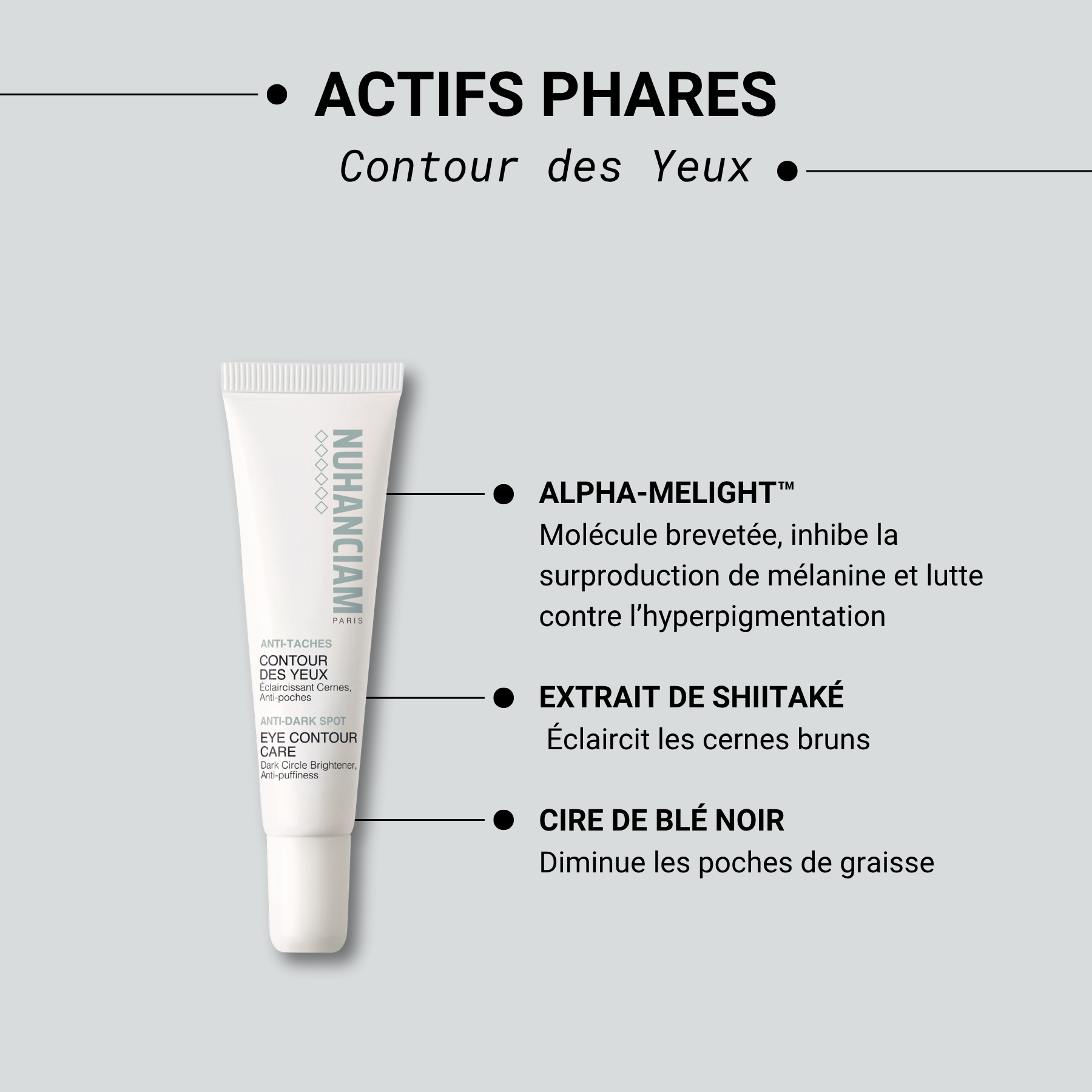
Medium- to dark-skinned individuals are particularly prone to hyperpigmentation. Using targeted products that combat hyperpigmentation by regulating the production and distribution of melanin in the skin can help reduce and prevent these marks. That’s why it’s important to use anti-dark spot products specifically formulated for medium to dark skin tones to maintain an even complexion.







Dryness and Moisturizing for Dark Skin
Issue No. 2
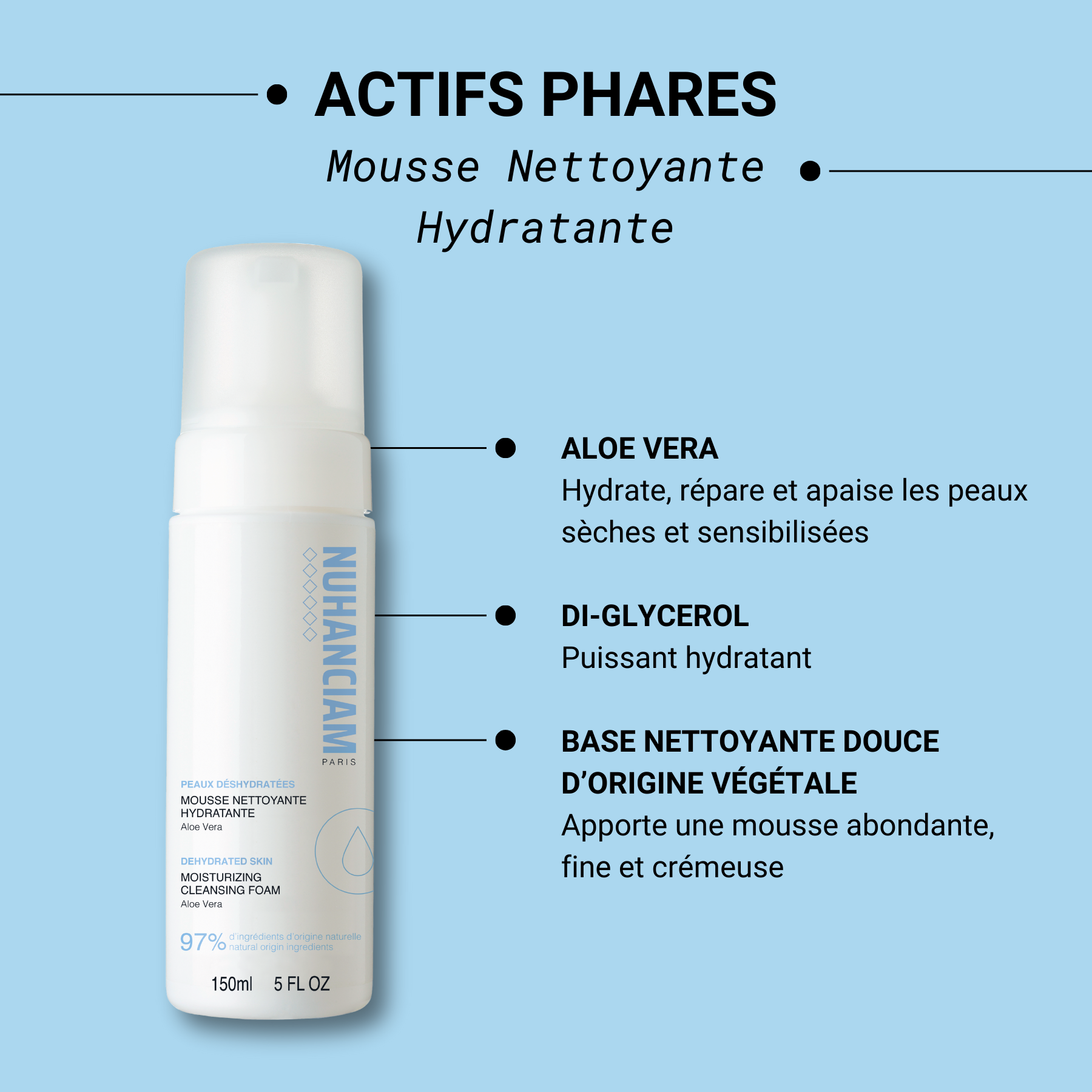
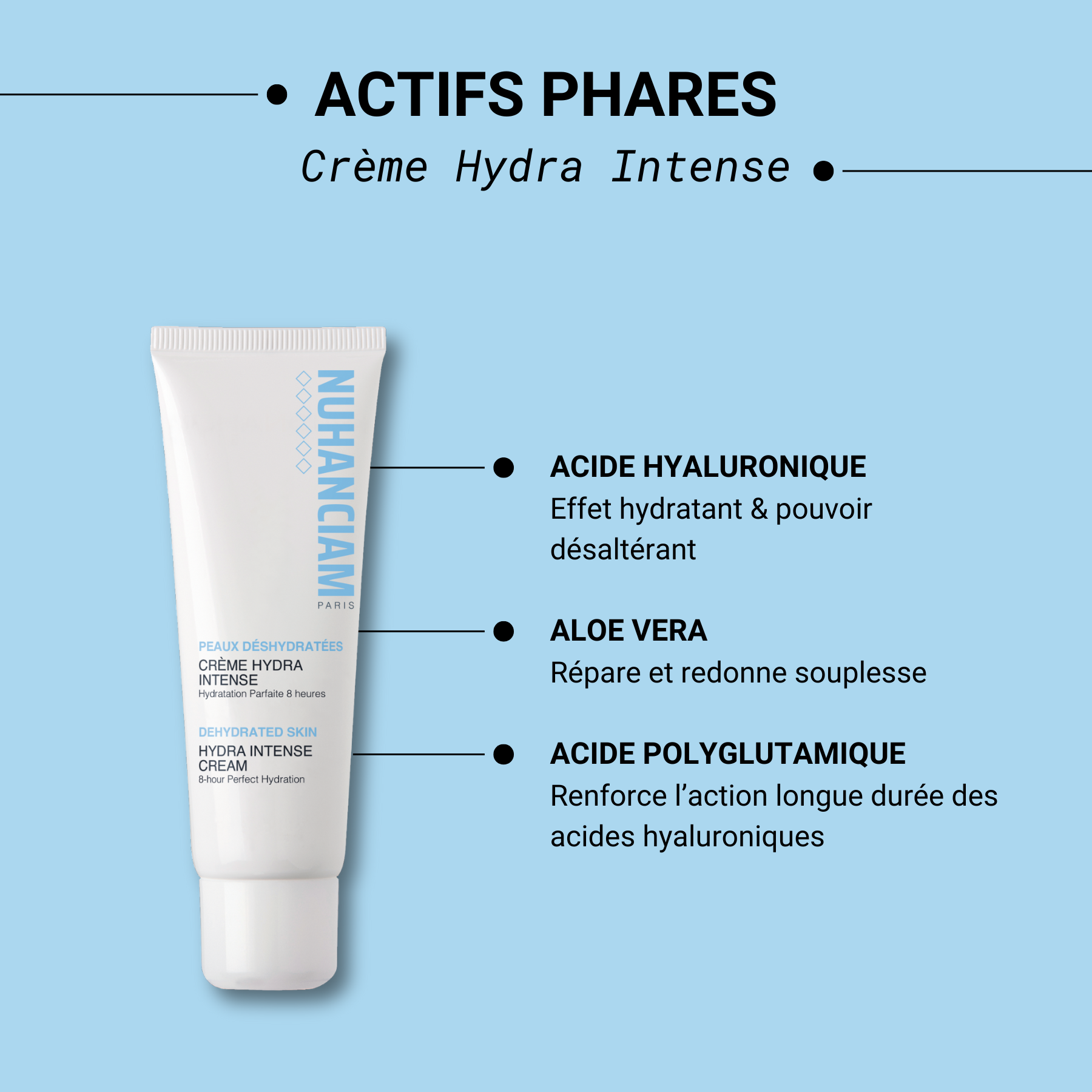
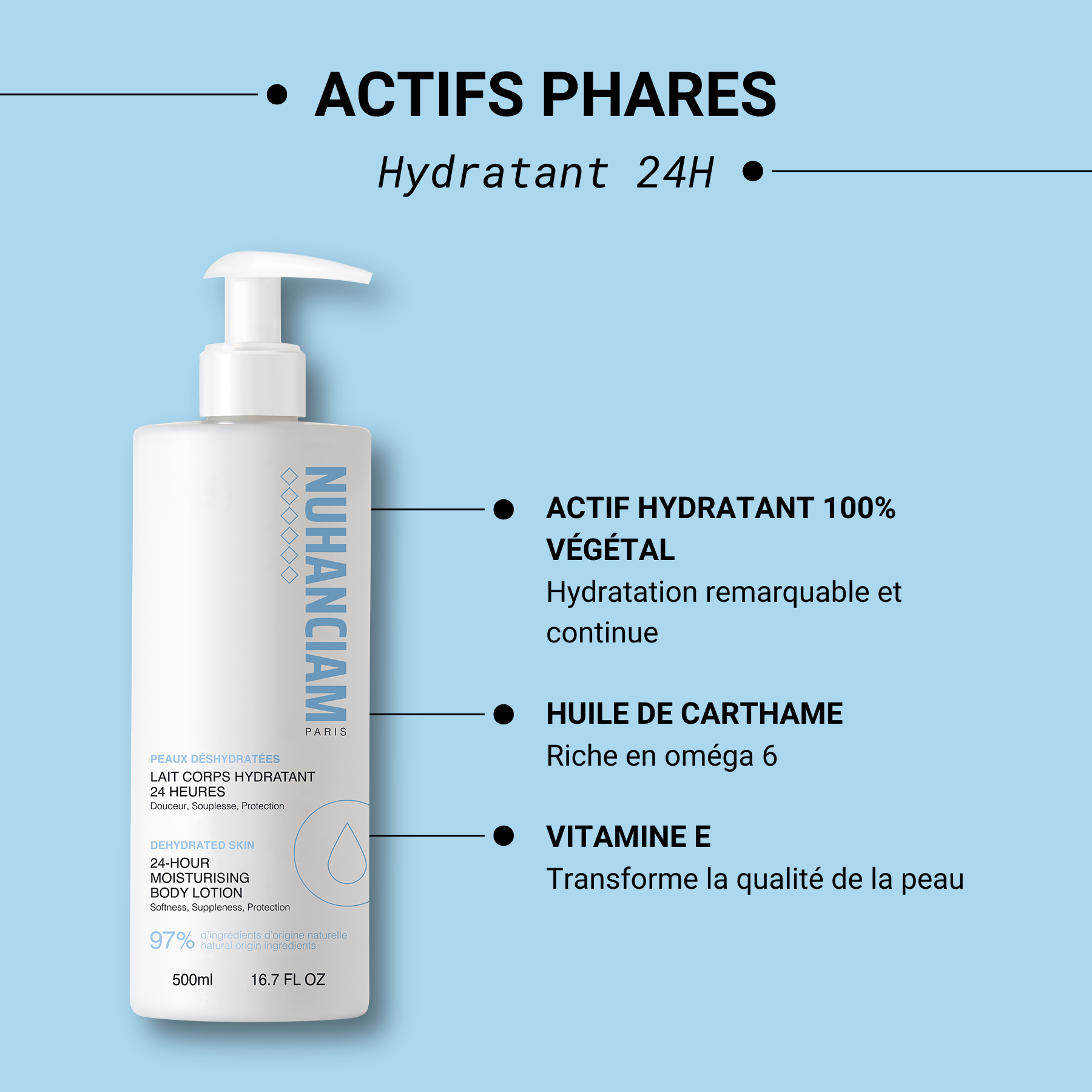
Dry skin is a major challenge for people with black and dark skin tones. Daily moisturizing, tailored to your skin type, is essential for maintaining a radiant complexion, strengthening the hydrolipidic film, and protecting the epidermis from dehydration.






How can you naturally care for dark or olive skin?
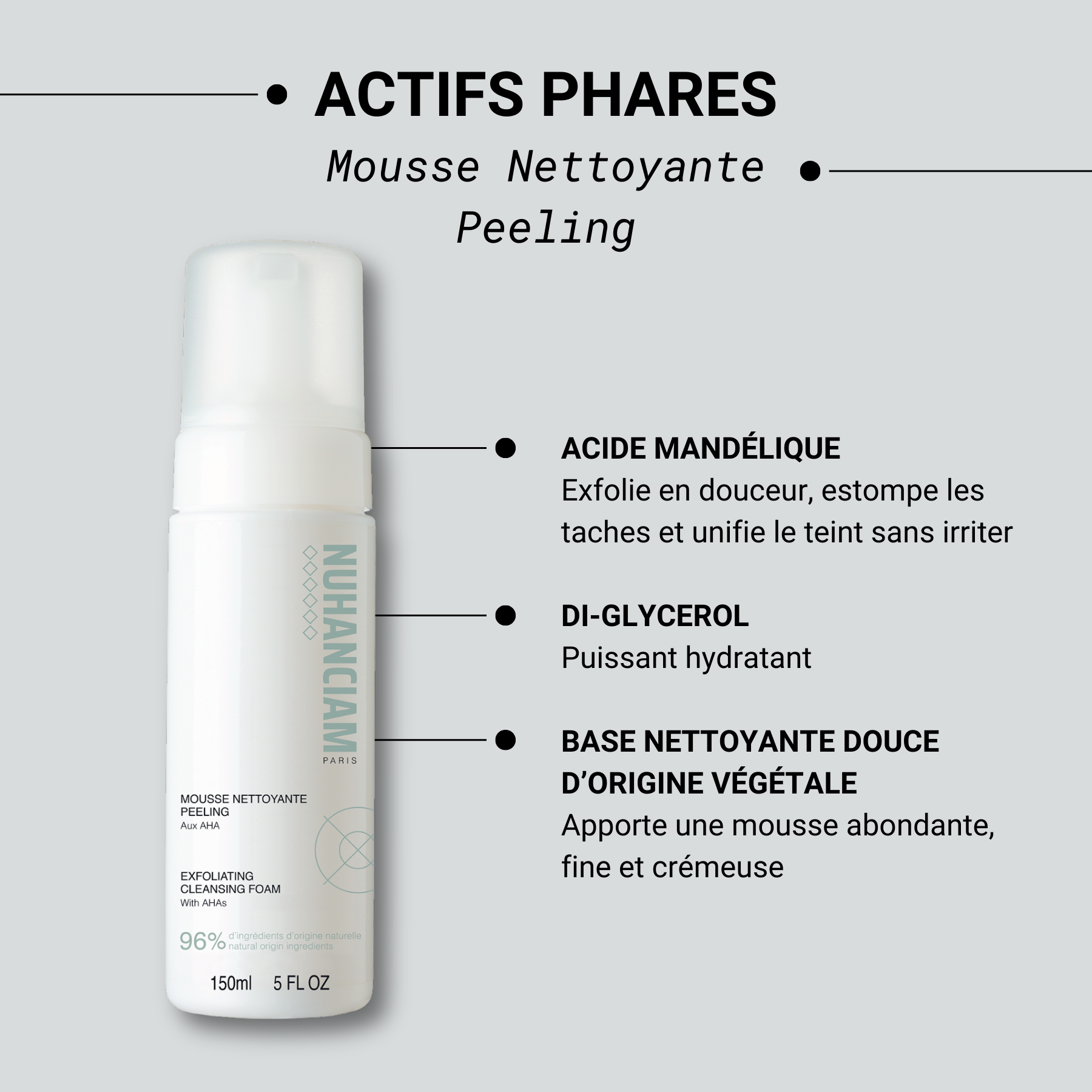
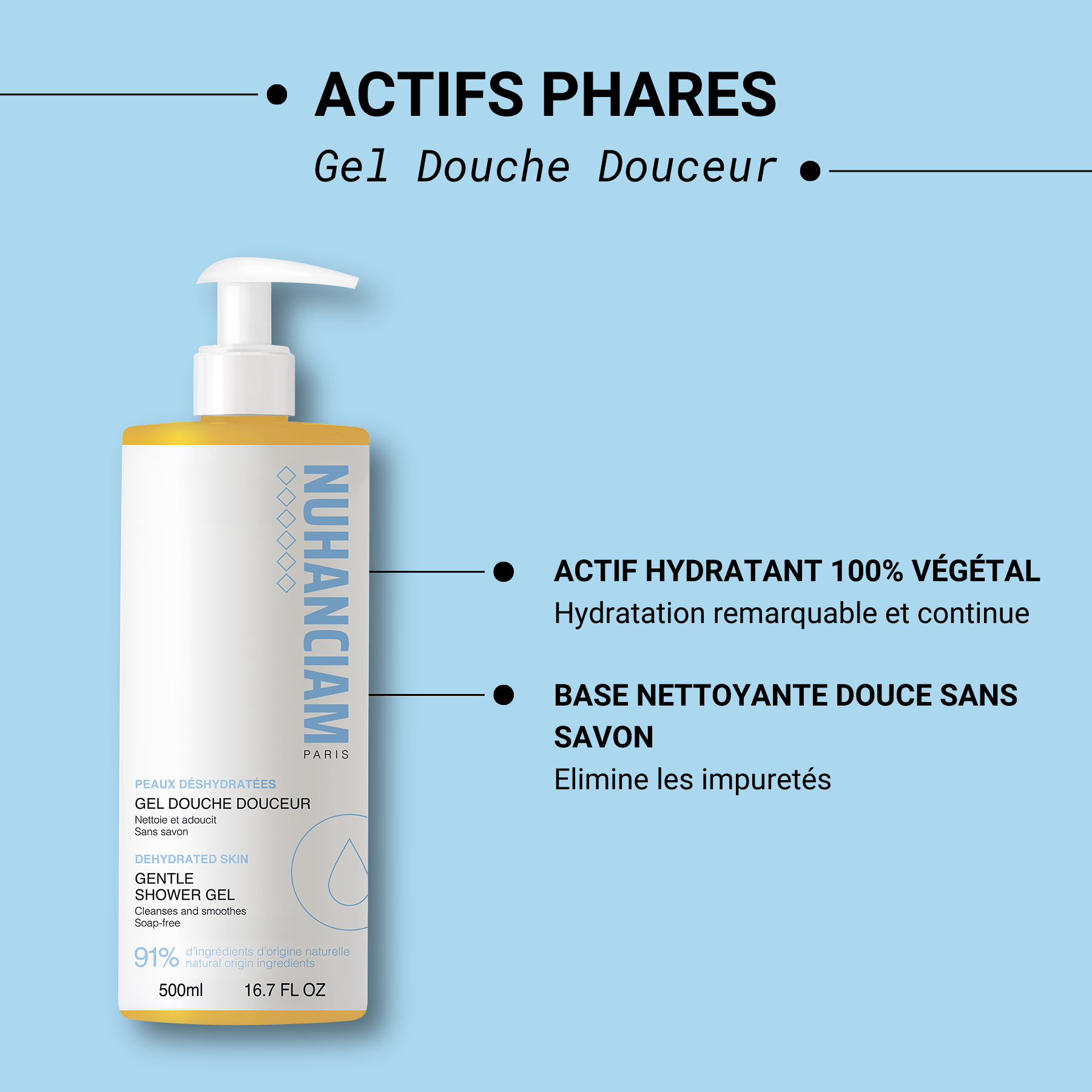
In addition to daily moisturizing—which is essential for dark and black skin—be sure to cleanse your skin every morning and remove your makeup every night. Even if you don’t wear makeup every day, outdoor pollution leaves a thin film on your skin that prevents it from breathing properly. To avoid drying out your skin, opt for makeup-removing milks, micellar water, or gentle cleansing foams rather than stripping soaps.
Incorporate anti-dark spot and skin-brightening products designed for dark skin into your daily skincare routine, whether in the form of creams or serums. Also, to avoid making the problem worse and to prevent new dark spots from forming, be sure to use a high - SPF sunscreen every day and whenever you’re exposed to the sun.
Daily skin hydration is essential, even for oily matte or black skin, for which there are specialized products available. Visible excess sebum in the T-zone should be treated regularly with gentle, non-abrasive exfoliants. These are effective and won’t irritate your skin. So be sure to exfoliate at least once a Gentle Scrub . Also, be sure to use a suitable mask once a week. Afterward, opt for mattifying moisturizers and serums, and don’t forget to adjust your products according to the seasons. Your skin changes and will have different needs in cold versus hot weather.
Just because you have combination or oily skin doesn’t mean you can skip moisturizing! Gentle daily cleansing, followed by a moisturizing and mattifying product, will help you regulate sebum production. Since oily skin is often prone to breakouts, be sure to add a non-abrasive exfoliator to your daily routine two to three times a week, followed by a clay mask to purify your skin.
Even though darker and black skin types are more resistant to skin aging, you shouldn't neglect preventive care when it comes to the appearance of wrinkles! It's recommended to start using anti-aging skincare products formulated for darker and black skin types as early as age 30—or even 25.