
Everything You Need to Know About
's Process of Skin Aging
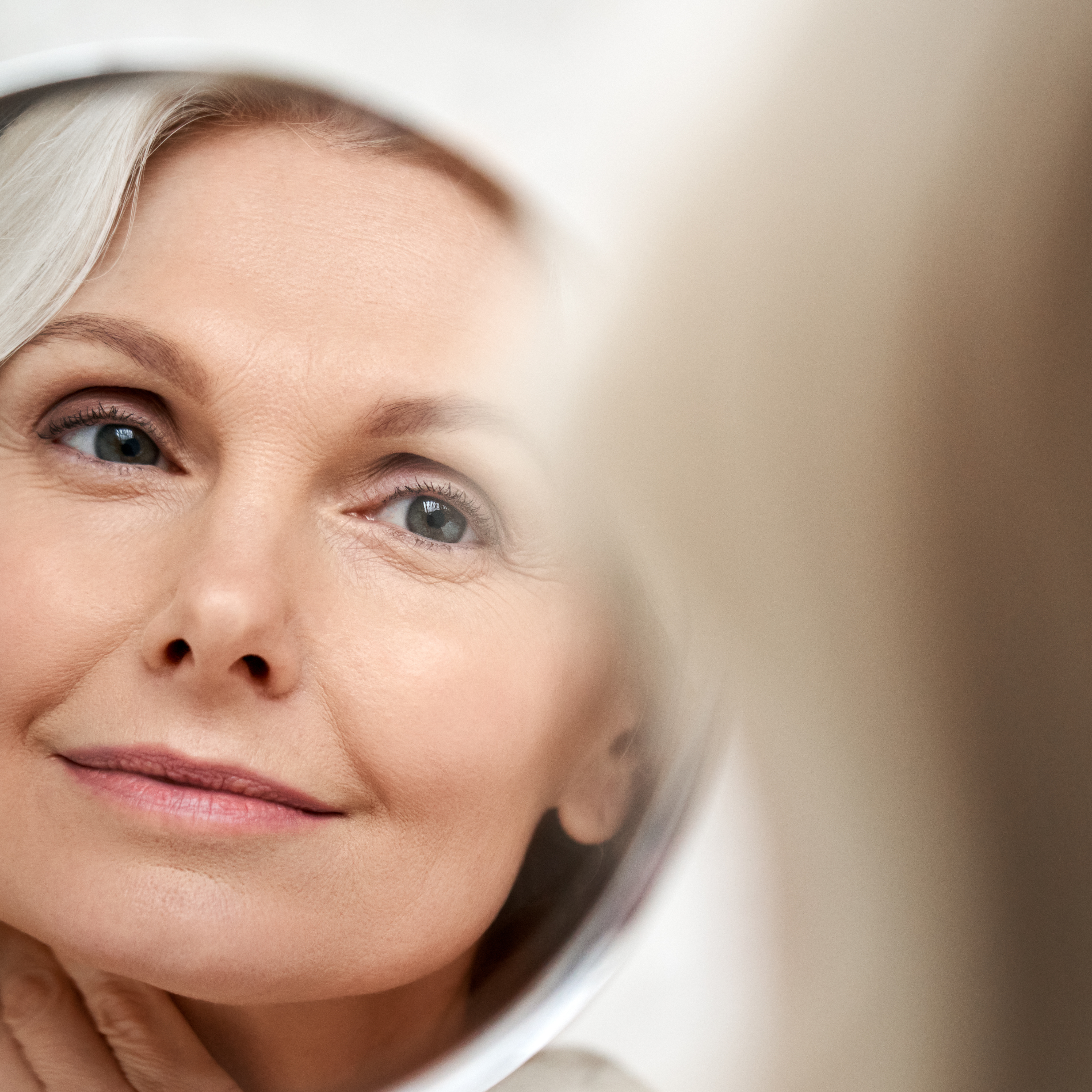
Skin aging on the face and body is a natural process that occurs over time, and its onset—as well as its severity—is influenced by various factors. It affects all skin types, although skin types with higher levels of melanin (mixed-race, olive, and Black skin) are known to “age” more slowly. We’ll explain what skin aging is and the steps you can take to prevent and slow down the signs of aging.
The Influence of Genetics on Skin Aging
Skin aging is primarily influenced by genetic and biological factors.
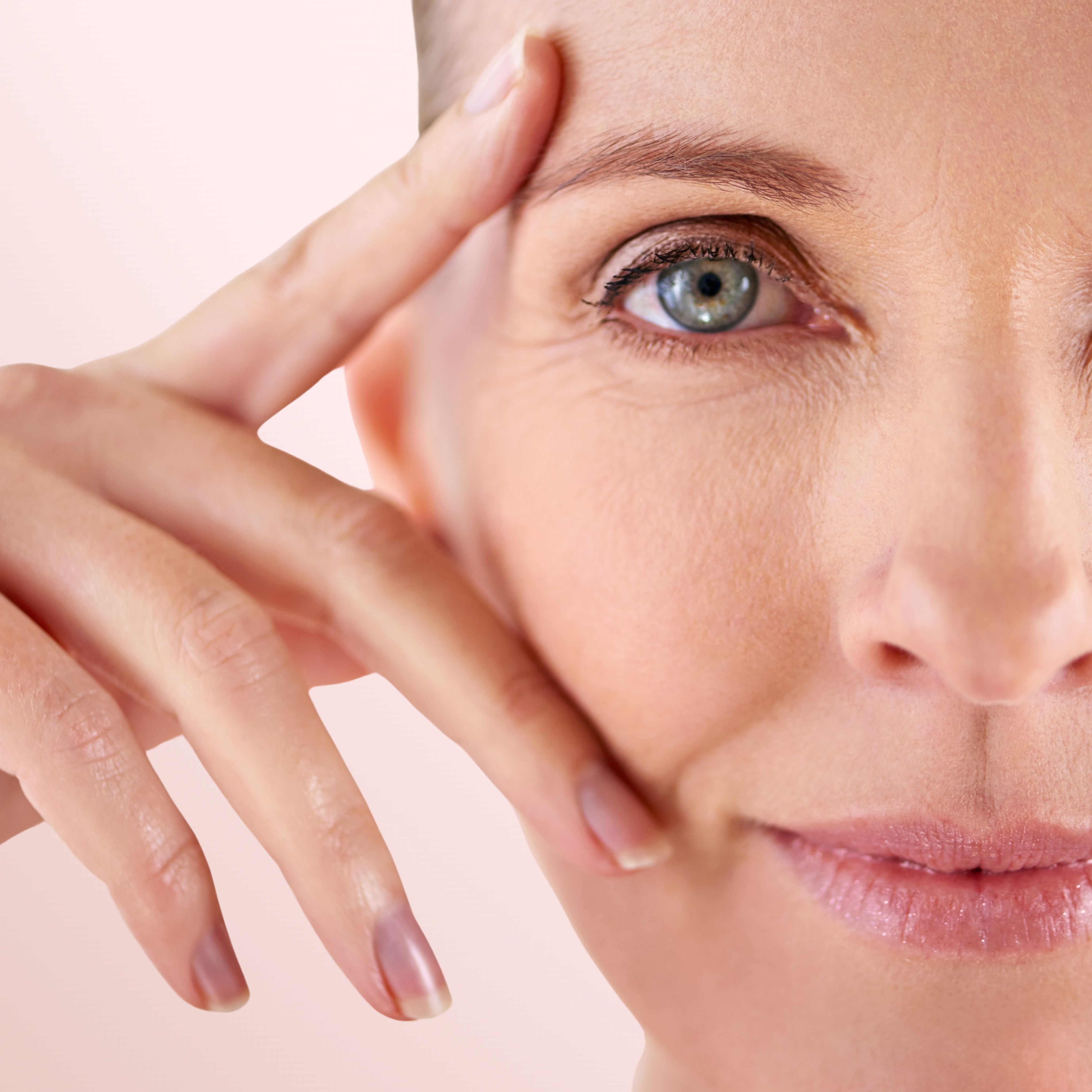
The decrease in the production of collagen, hyaluronic acid, and elastin
As we age, the body's natural production of hyaluronic acid, collagen, and elastin—the proteins responsible for the skin's firmness and elasticity—decreases. This leads to a loss of firmness and the appearance of wrinkles and fine lines.
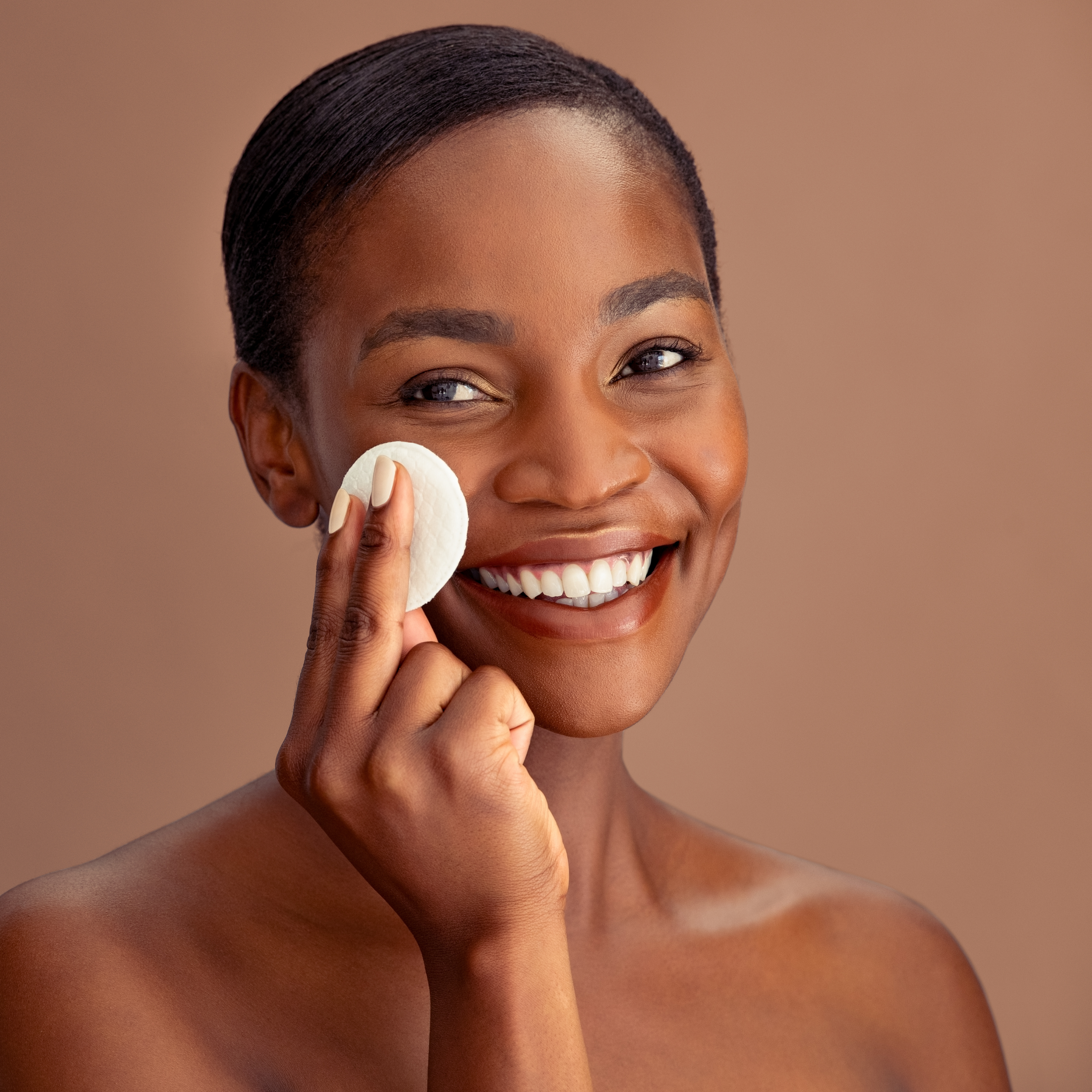
The Slowdown in Cell Regeneration
Cell turnover slows down with age, which can lead to a buildup of dead cells on the skin's surface, resulting in a dull and uneven complexion.
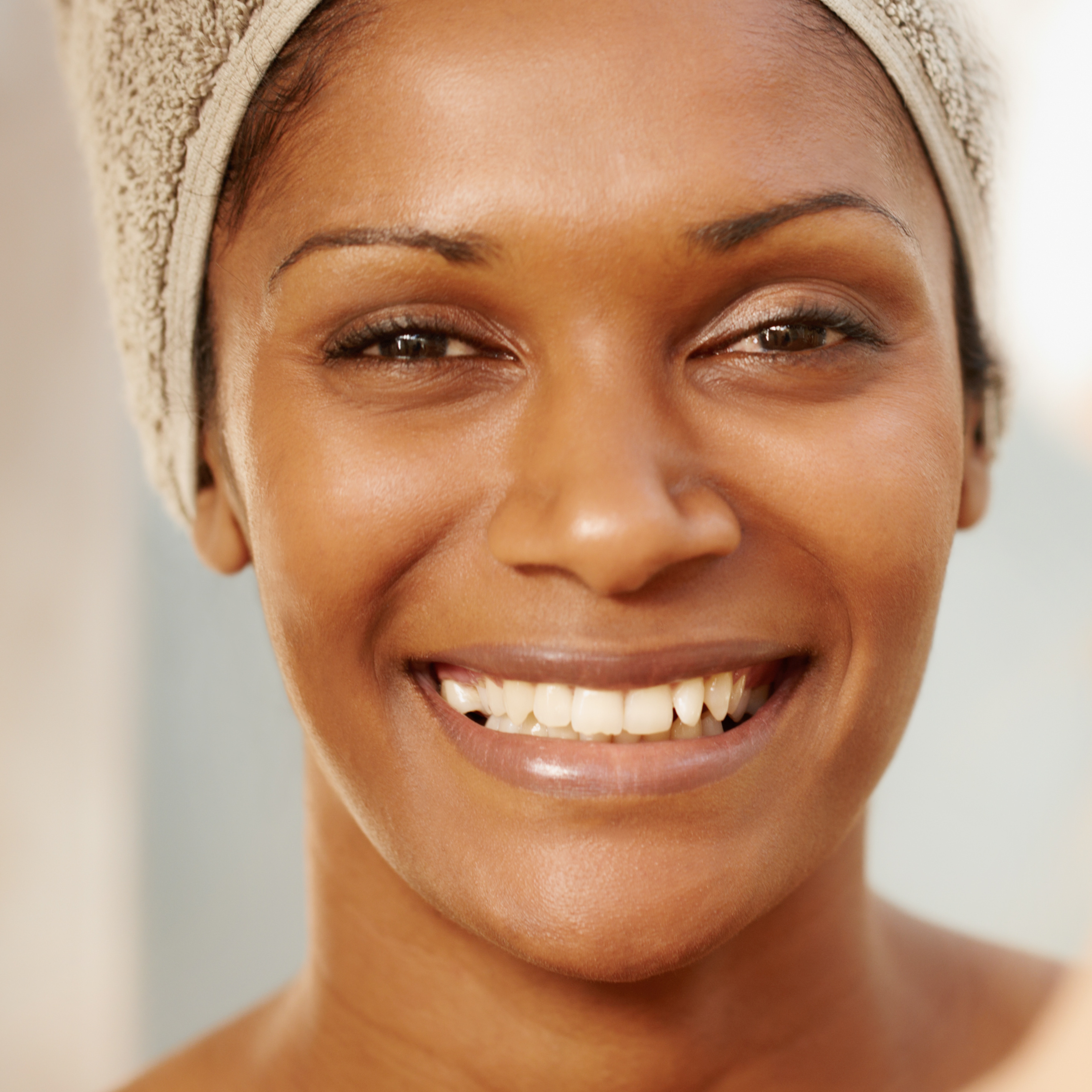
Decreased hydration
Over time, the skin becomes less able to retain moisture, resulting in drier, less supple skin.


Bad Habits
Skin aging can also be caused by other external factors, such as prolonged sun exposure without sunscreen, smoking, pollution, stress, and lifestyle habits. These factors can accelerate the skin aging process by causing cellular damage and altering the skin’s structure.
Sun Exposure
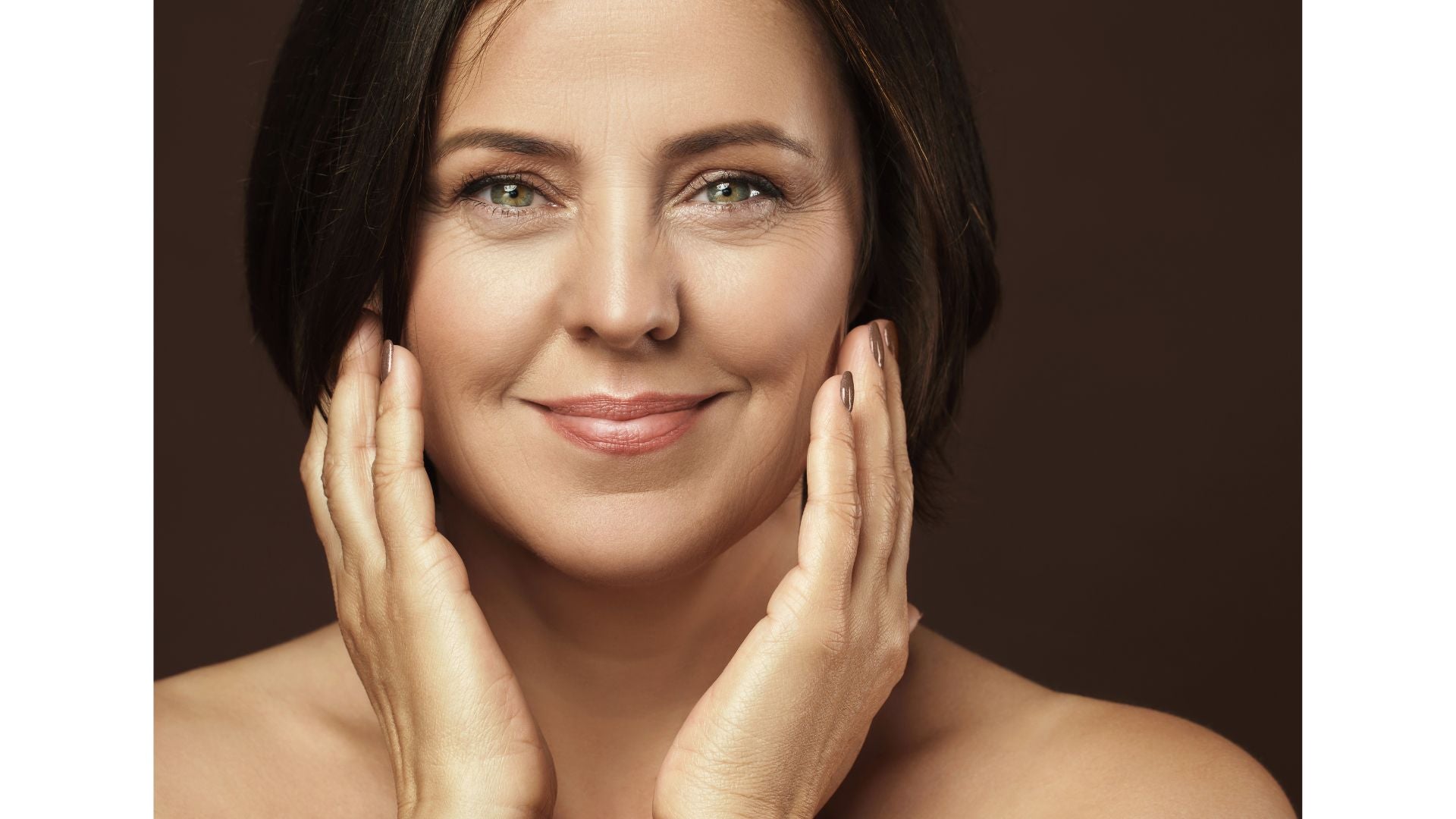
Excessive exposure to the sun’s UV rays is one of the main causes of premature skin aging. UV rays—and especially UVA rays, which are present year-round—damage collagen and elastin fibers. That’s why it’s so important to apply a very high-protection sunscreen (SPF 50 or 50+) every day.
Smoking
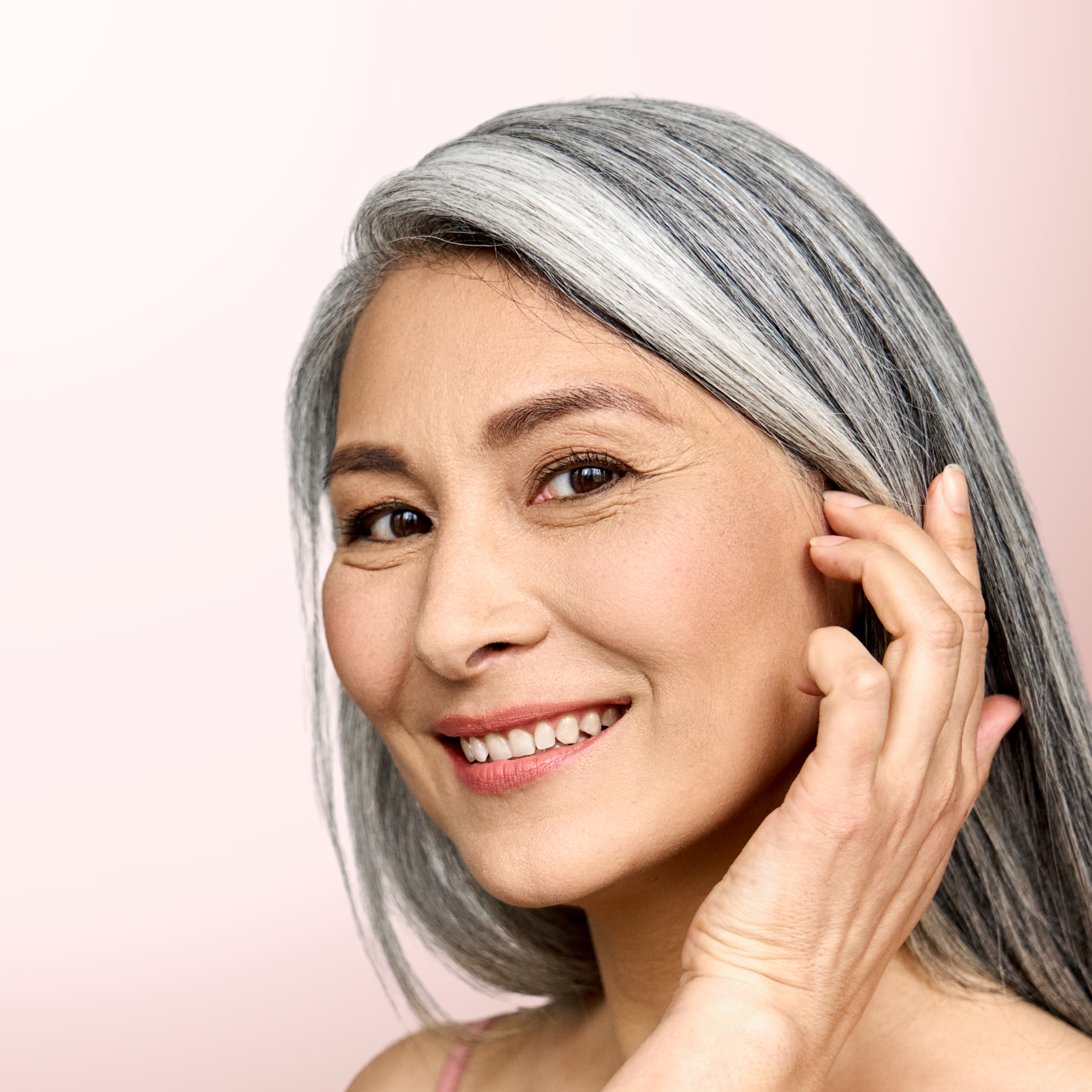
Smoking is associated with premature skin aging due to the chemicals and nicotine in cigarettes, which damage the skin's structure. They reduce the skin's ability to regenerate and cause a gray, dull complexion.

Pollution
Airborne pollutants can exacerbate skin damage by generating free radicals—unstable molecules that trigger inflammatory reactions and accelerate the skin's aging process. Antioxidants play a crucial role in neutralizing free radicals, thereby helping to reduce the harmful effects of pollution on the skin and prevent premature aging.
Prevent, slow down, and treat skin aging
Although skin aging is a natural process, it is possible to slow its effects and maintain healthy, youthful skin for longer by taking preventive measures and using appropriate anti-aging skincare products.
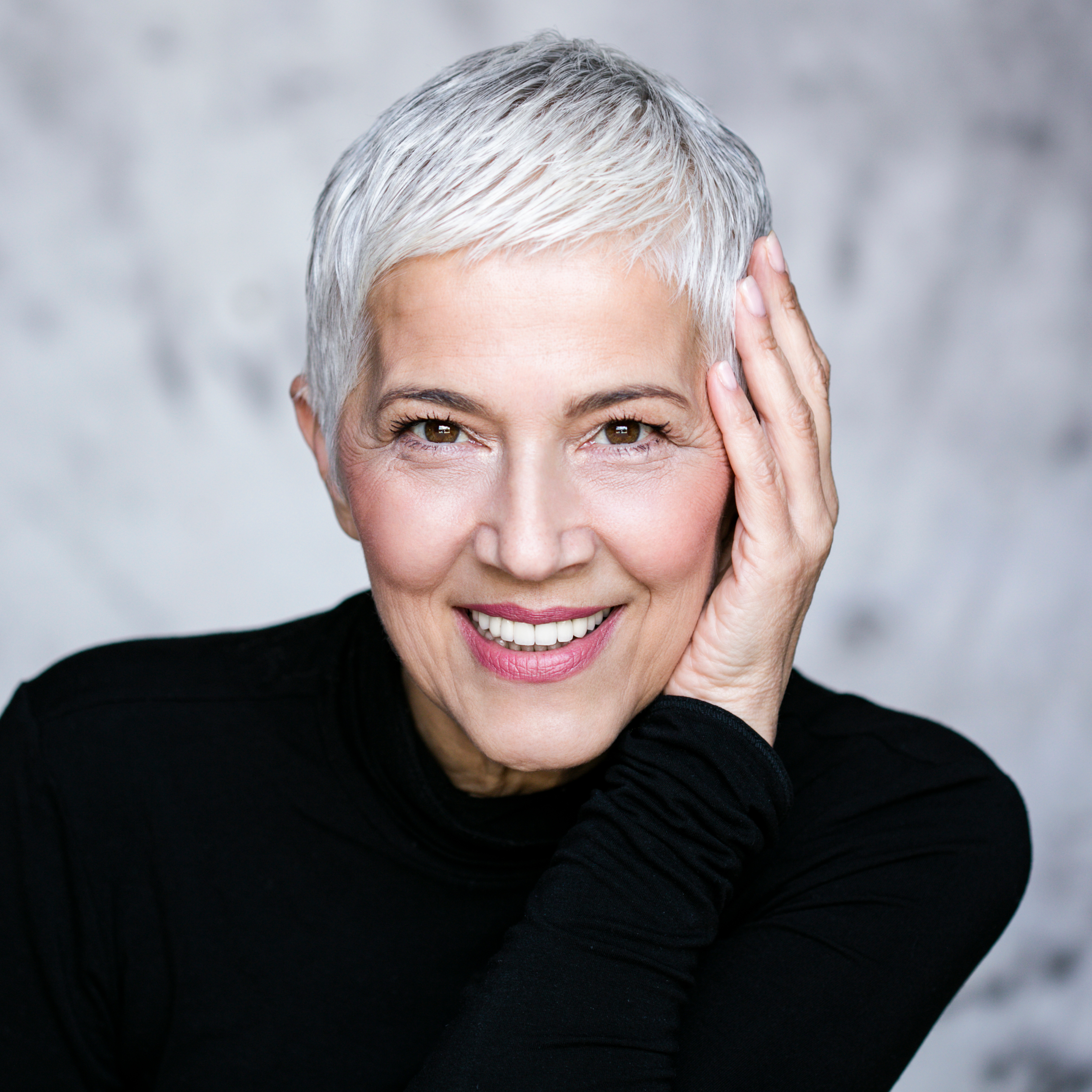
Daily Use of Sunscreen
Daily use of a very high-SPF (SPF 50 or 50+) broad-spectrum (UVA and UVB) sunscreen is essential for preventing UV damage and slowing down skin aging.
Healthy Lifestyle Habits
A balanced diet, adequate hydration, sufficient sleep, stress reduction, and quitting smoking can help maintain healthy skin.
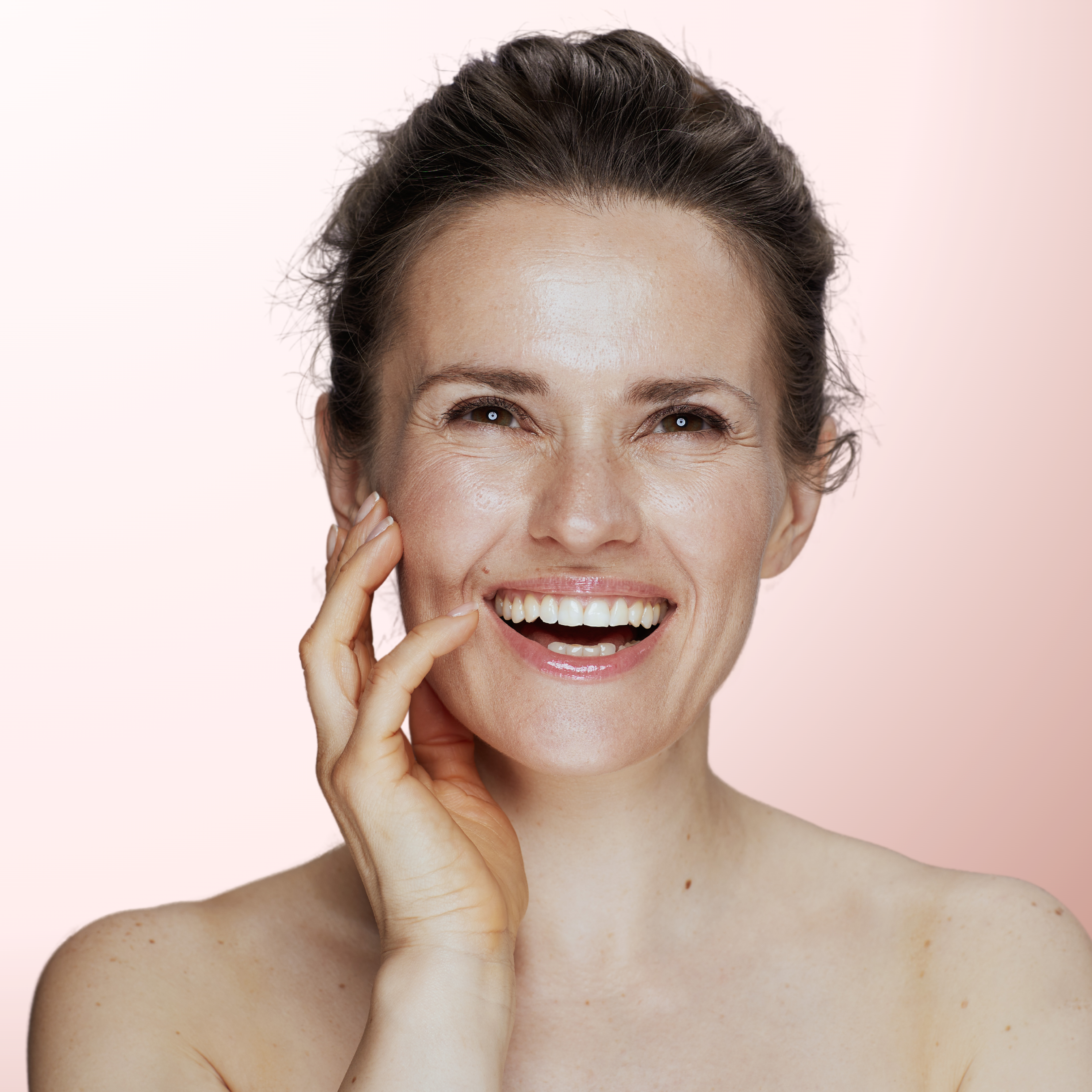
Tailored Skincare
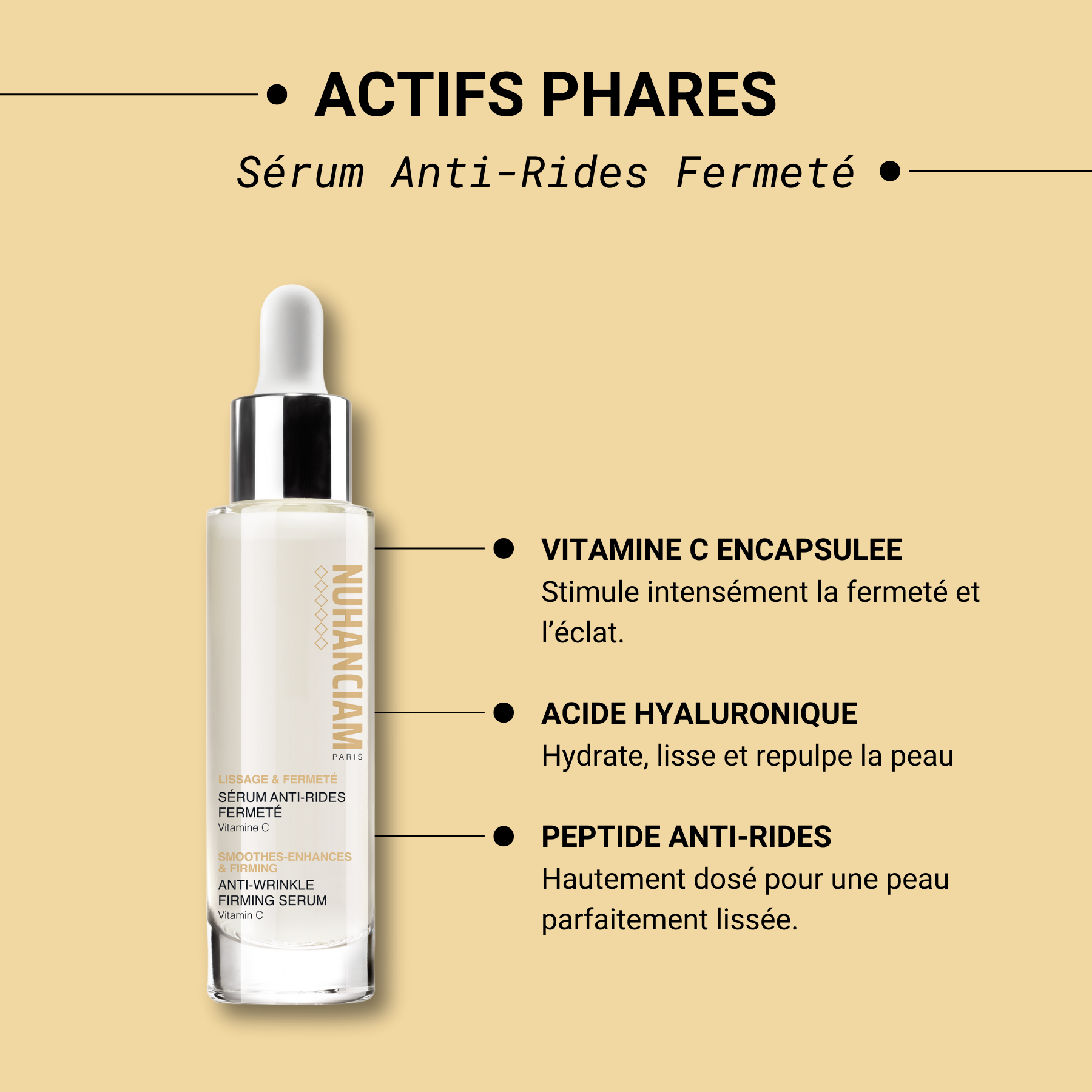
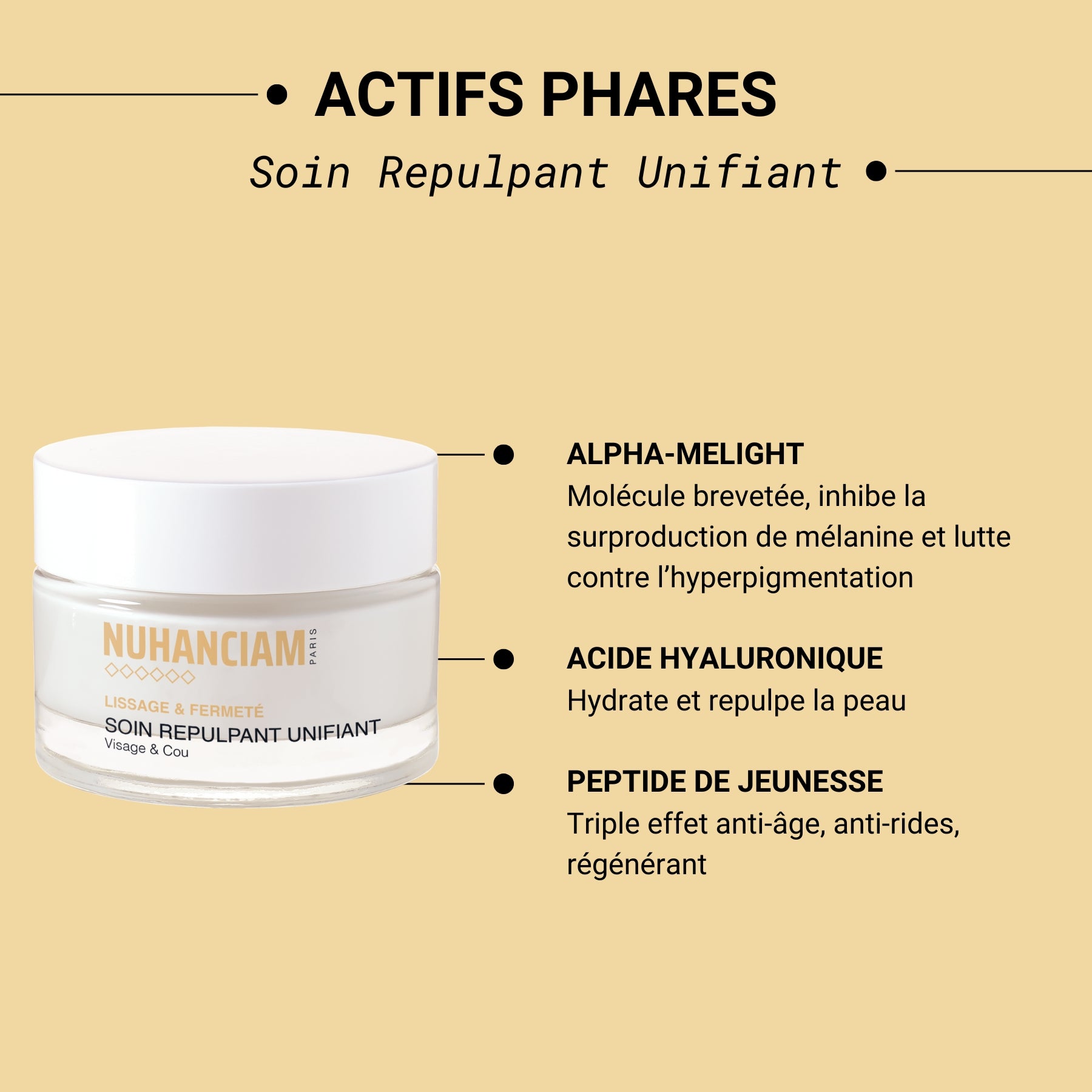
Use skincare products containing antioxidant ingredients, such as vitamin C, which helps stimulate cell renewal. Peptides are also an excellent choice for protecting the skin against environmental damage and maintaining its elasticity and firmness. Another option is hyaluronic acid, which binds water molecules and prevents dehydration—because well-hydrated skin always looks younger!