
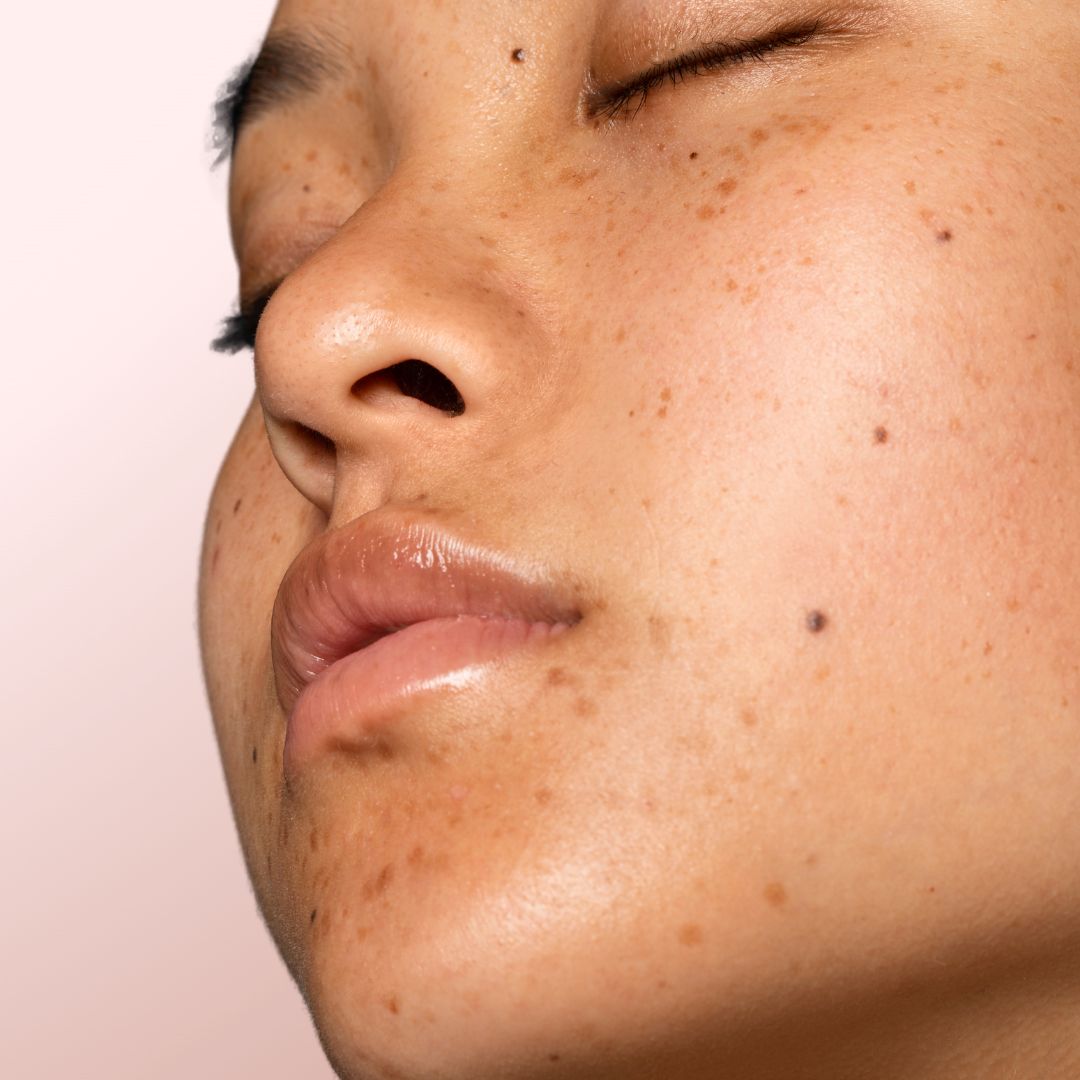
Everything You Need to Know About
Skin imperfections and acne-prone skin
Skin imperfections, such asacne, blackheads,excess oil, or clogged pores, are common skin problems that can have a significant impact on mental health and self-confidence. They affect both teenagers and adults. Here, we explain their causes, as well as solutions and treatments to address them.
The Causes of Skin Blemishes
Skin problems, including acne, often have multiple causes.
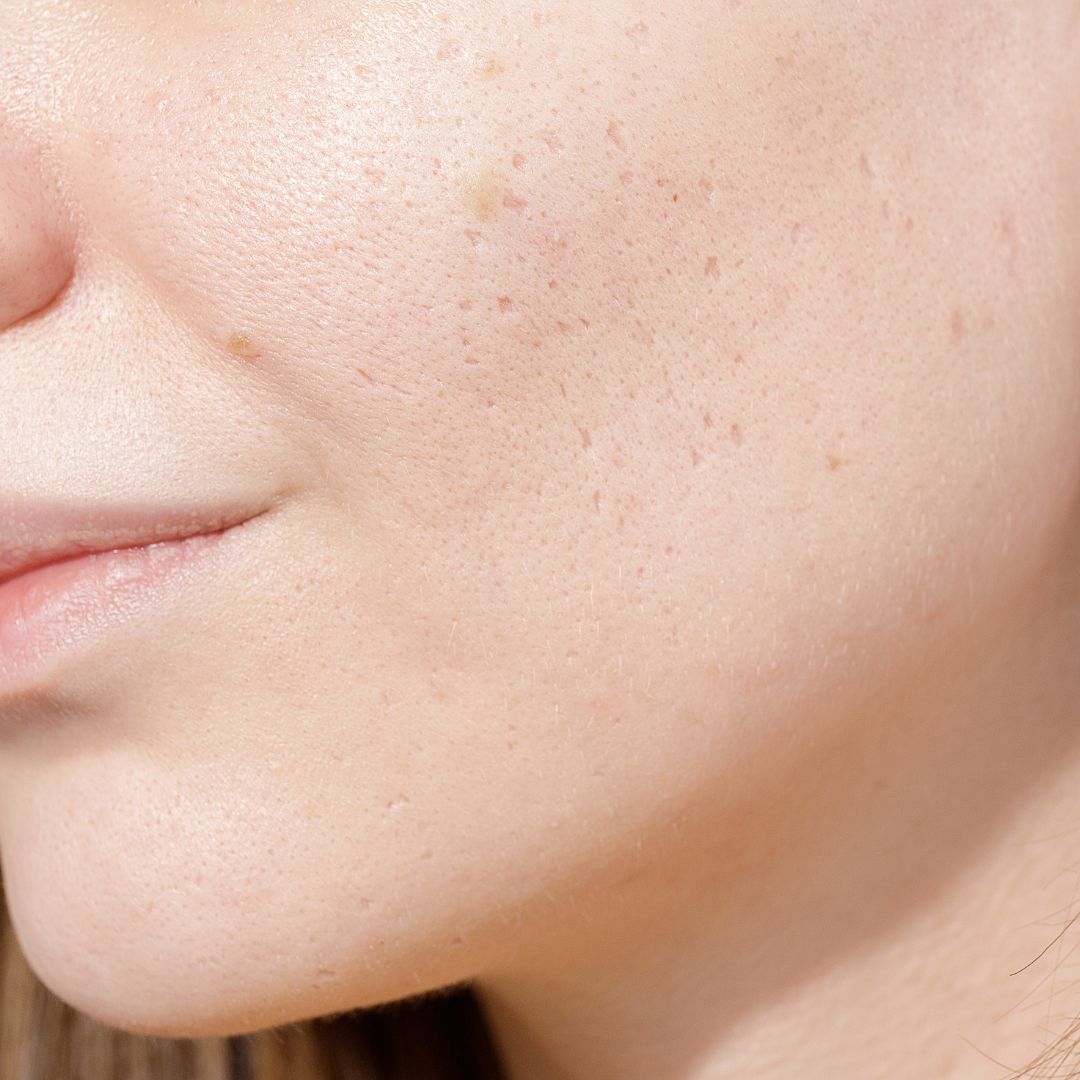
Excessive sebum production
Sebum is produced by the sebaceous glands, which can clog the skin's pores, thereby promoting bacterial growth and the development of acne.
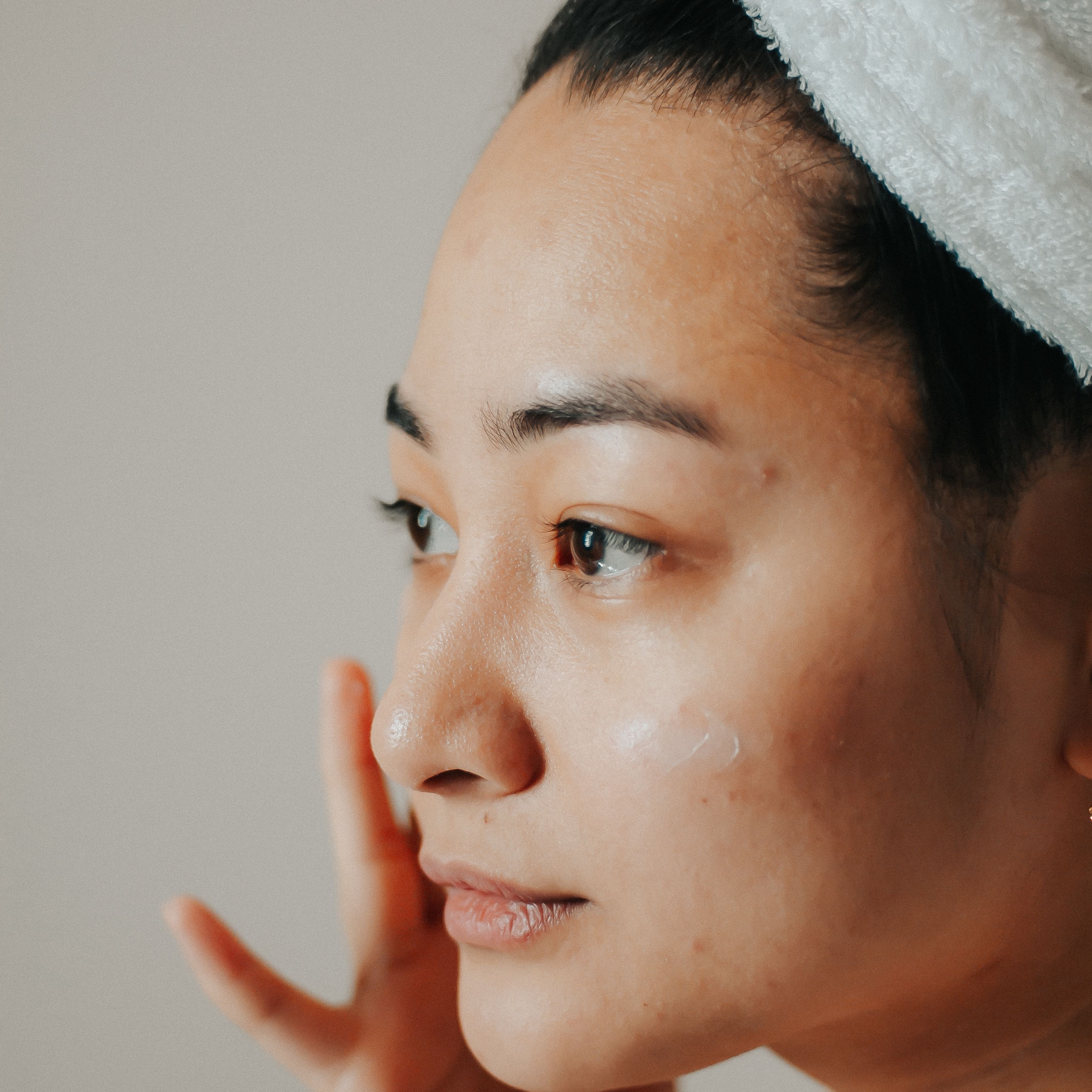
Pore Blockage
The buildup of dead skin cells on the skin's surface can clog pores, leading to the formation of comedones, blackheads, and pimples.

Bacterial growth
Bacteria, which are naturally present on the skin, can multiply in clogged pores, leading to inflammation and the formation of acne.
Products for Treating Skin Imperfections


The Different Types of Skin Imperfections
Skin imperfections can take various forms.
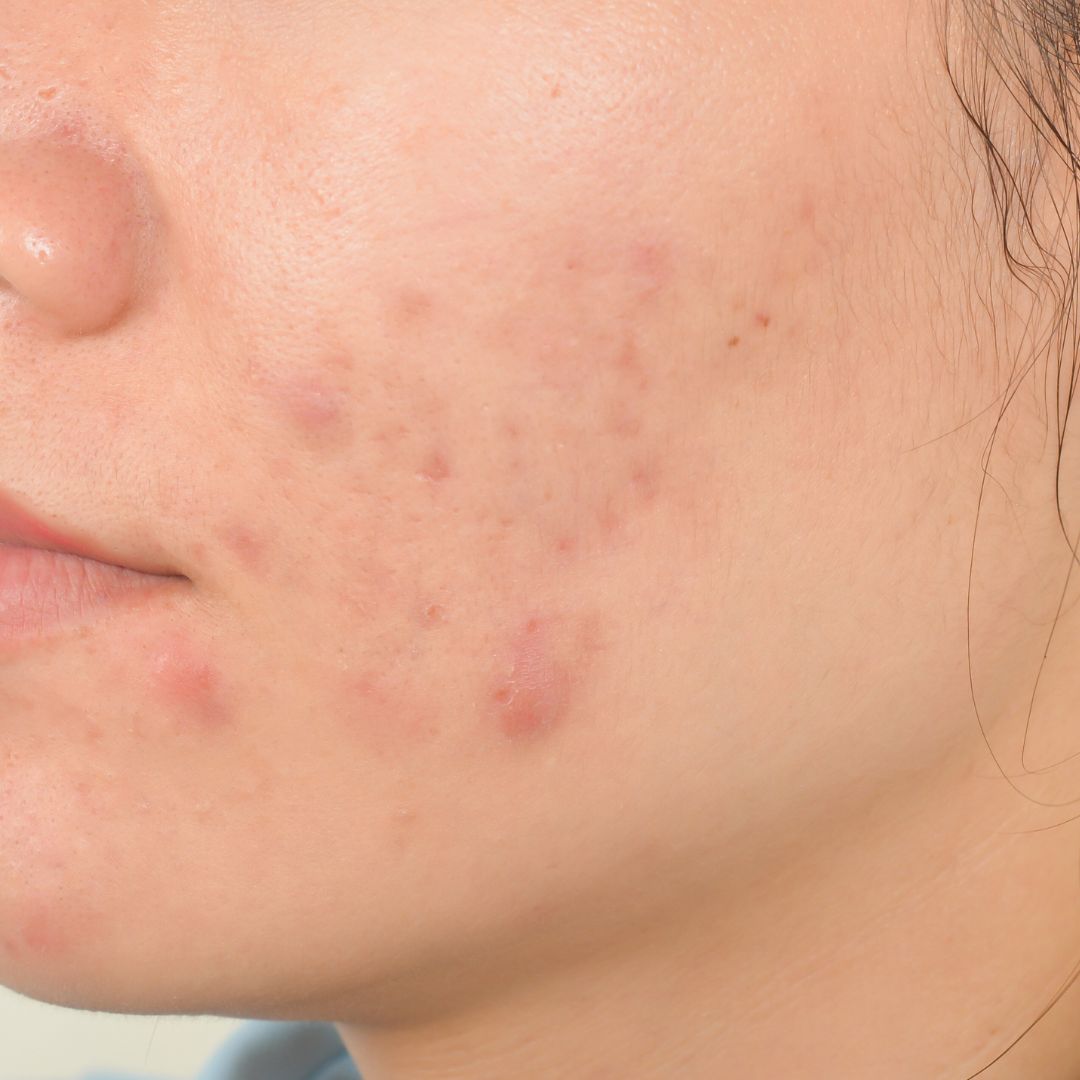
Blackheads
Comedones, also known as blackheads and whiteheads, are pores clogged with dead skin cells, sebum, and bacteria.
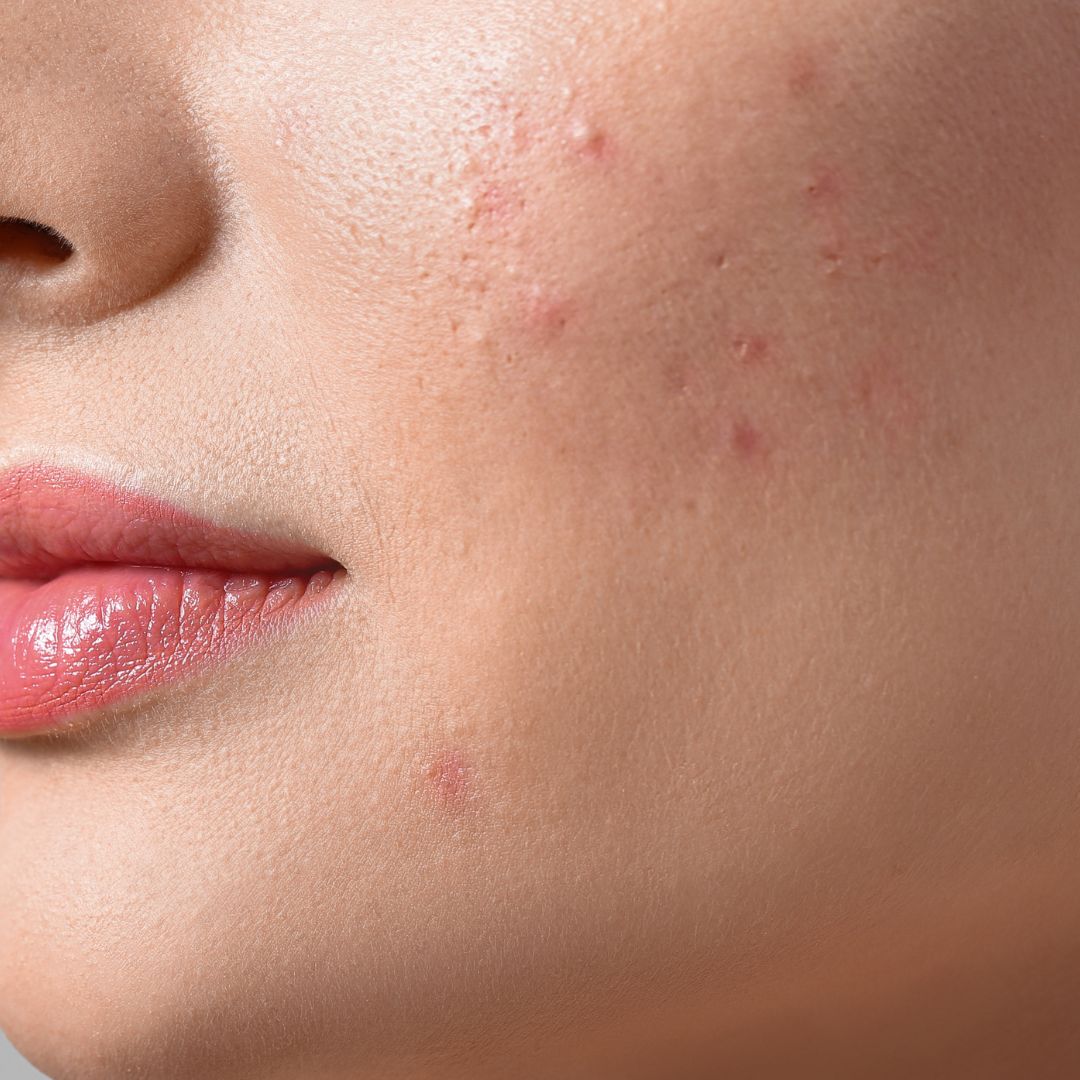
Inflammatory Acne
Inflammatory acne appears as red, inflamed pimples. It is caused by clogged hair follicles (ingrown hairs).
Products for Treating Skin Imperfections
Prevention and Treatment of Skin Imperfections
To treat various skin imperfections, it's important to establish a rigorous daily skincare routine.

Gentle cleaning
Use gentle, non-irritating cleansers to clean your skin without drying it out or irritating it. Avoid abrasive cleansers, which can worsen irritation and inflammation.
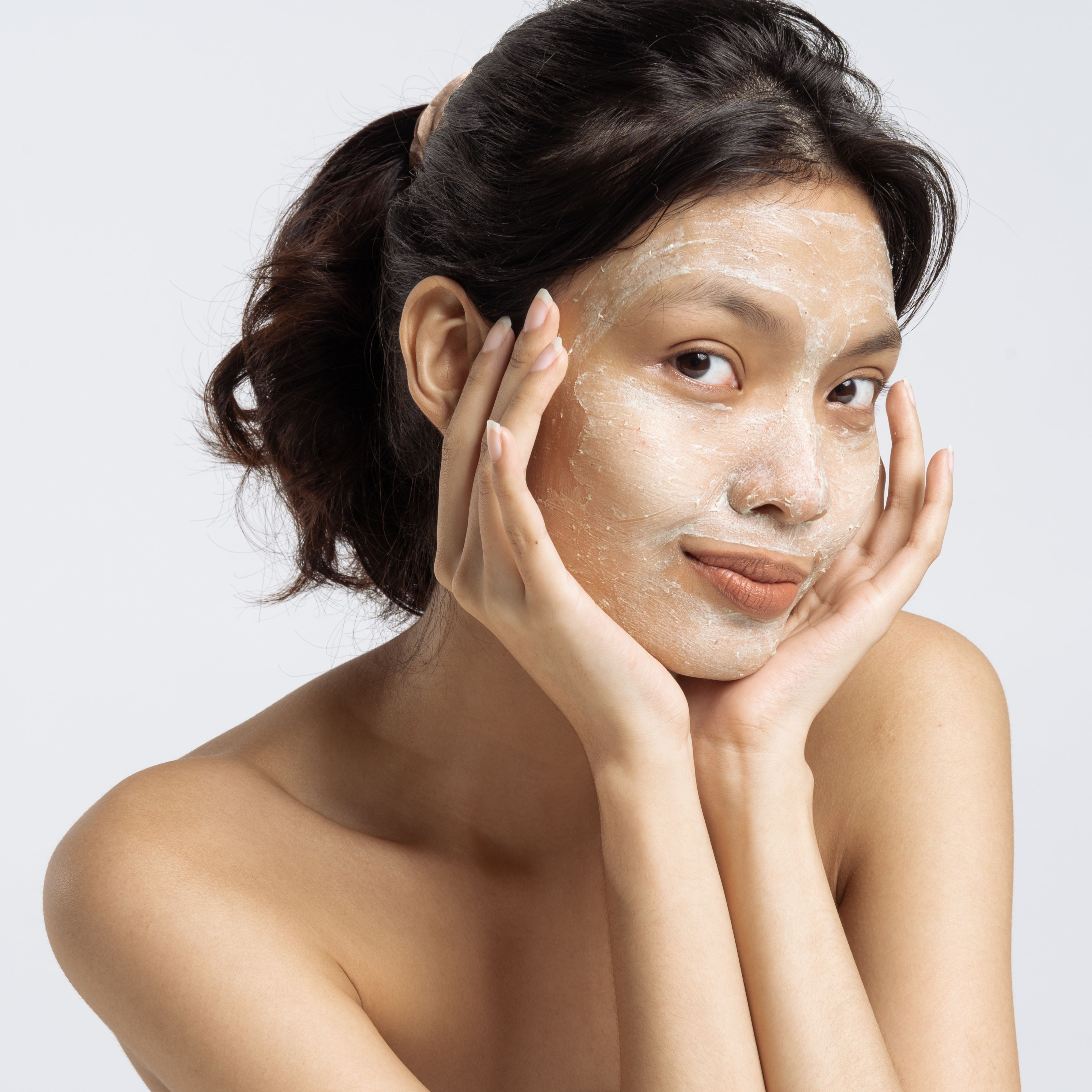
Regular and appropriate exfoliation
This will help remove dead skin cells and unclog pores. Use gentle exfoliants that contain ingredients such as salicylic acid or glycolic acid.
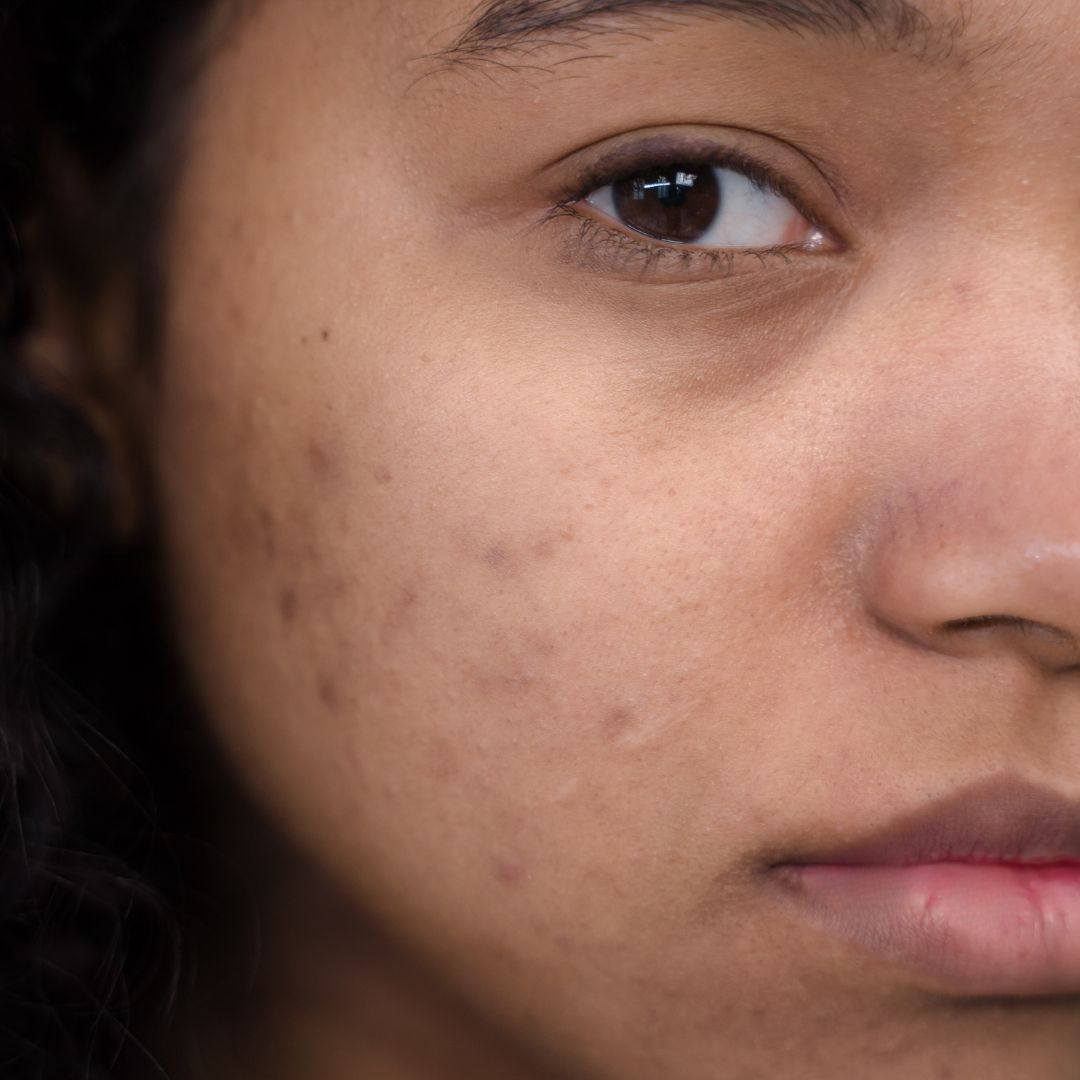
Targeted Treatment for Acne
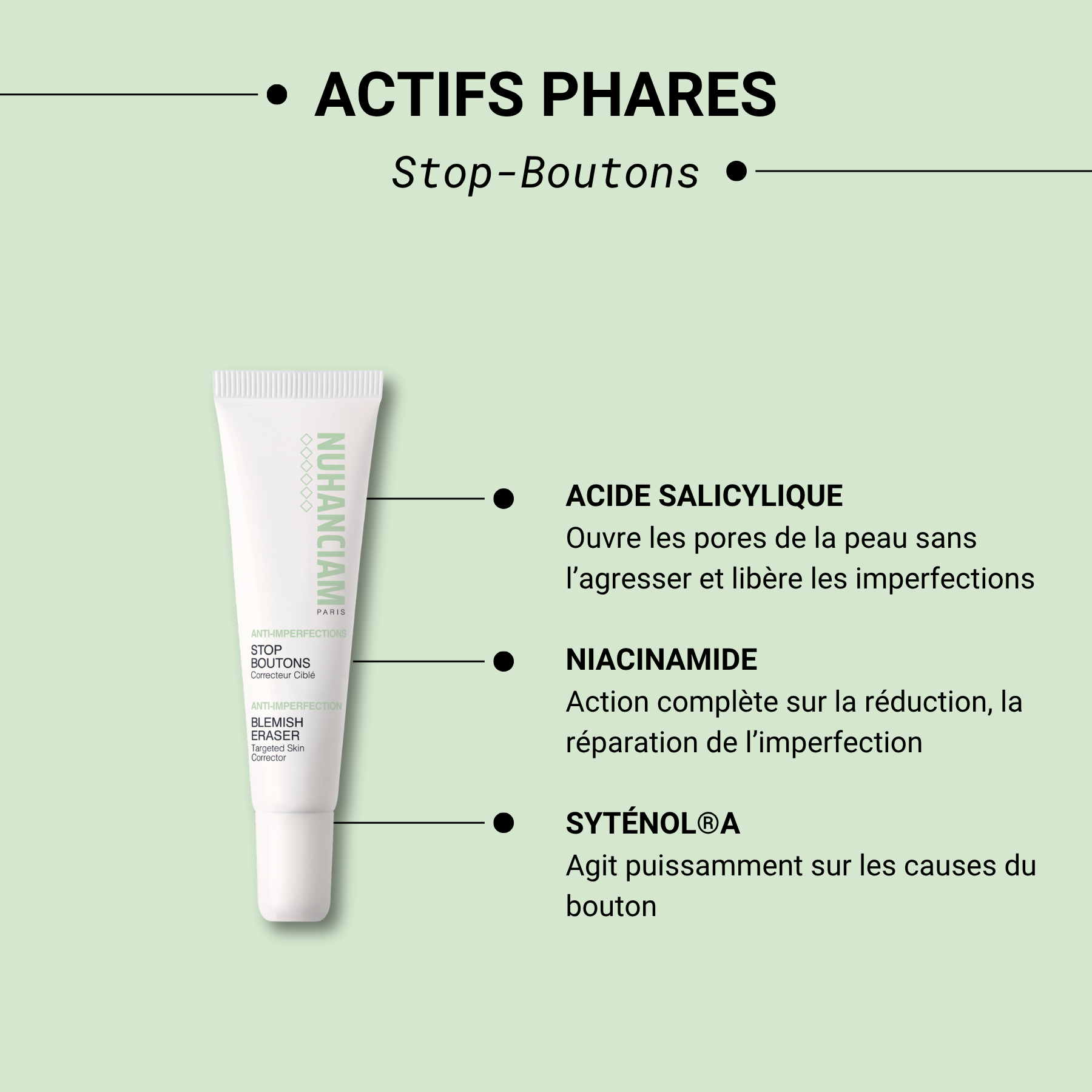
Certain key ingredients are particularly effective in fighting acne breakouts. Use topical treatments containing ingredients such as salicylic acid to reduce inflammation, eliminate bacteria, and prevent new breakouts.

A Visit to a Dermatologist
For the most severe or persistent cases, it is important to consult a dermatologist, who can recommend more advanced treatments such as topical or oral antibiotics, or laser treatments.

Start a treatment to reduce dark spots
The inflammation that causes breakouts can also lead to hyperpigmentation in people with dark and Black skin. In addition to using anti-breakout treatments, it’s recommended to treat pigment spots as soon as possible. A spot treated early will fade much more quickly.