

Everything You Need to Know About Pigment Spots
Advice and Skin Type
Pigment spots, also knownas brown spots, are one of the main beauty concerns for women. Found on the face, décolletage, body, and hands, they can result from a variety of causes. Let’s take a closer look at these spots and the techniques for getting rid of them. Concerns

What are the brown spots known as pigment spots?
Definitions
Brownish spots are the resultof skin hyperpigmentation. A darker area appears on the skin due to inflammation. This is caused by an overproduction of melanin. That is how the spot appears on the skin. However, there are different types of pigmented spots, and it is important to identify them before attempting to treat them. Whether small or large…
Pigment spots can:
- They develop over time and are called “age spots” or lentigo
- Appears after inflammation (pimples, acne, burns, etc.)
- Caused by prolonged and repeated sun exposure
- May occur in cases of hormonal imbalance (pregnancy mask, etc.)

Are the spots on the face the same as those on the body?
The mechanism behind the appearance of dark spots is nearly the same on the face and on the body. In fact, there is another cause behind the appearance of dark spots on areas such as the back, shoulders, arms, and legs: ingrown hairs. As these hairs grow beneath the skin, they cause inflammation that results in pimples and dark spots. In the past, it was easier to treat spots on a small area than on a larger one. Today, there are effective treatments for the face, hands, and the rest of the body.
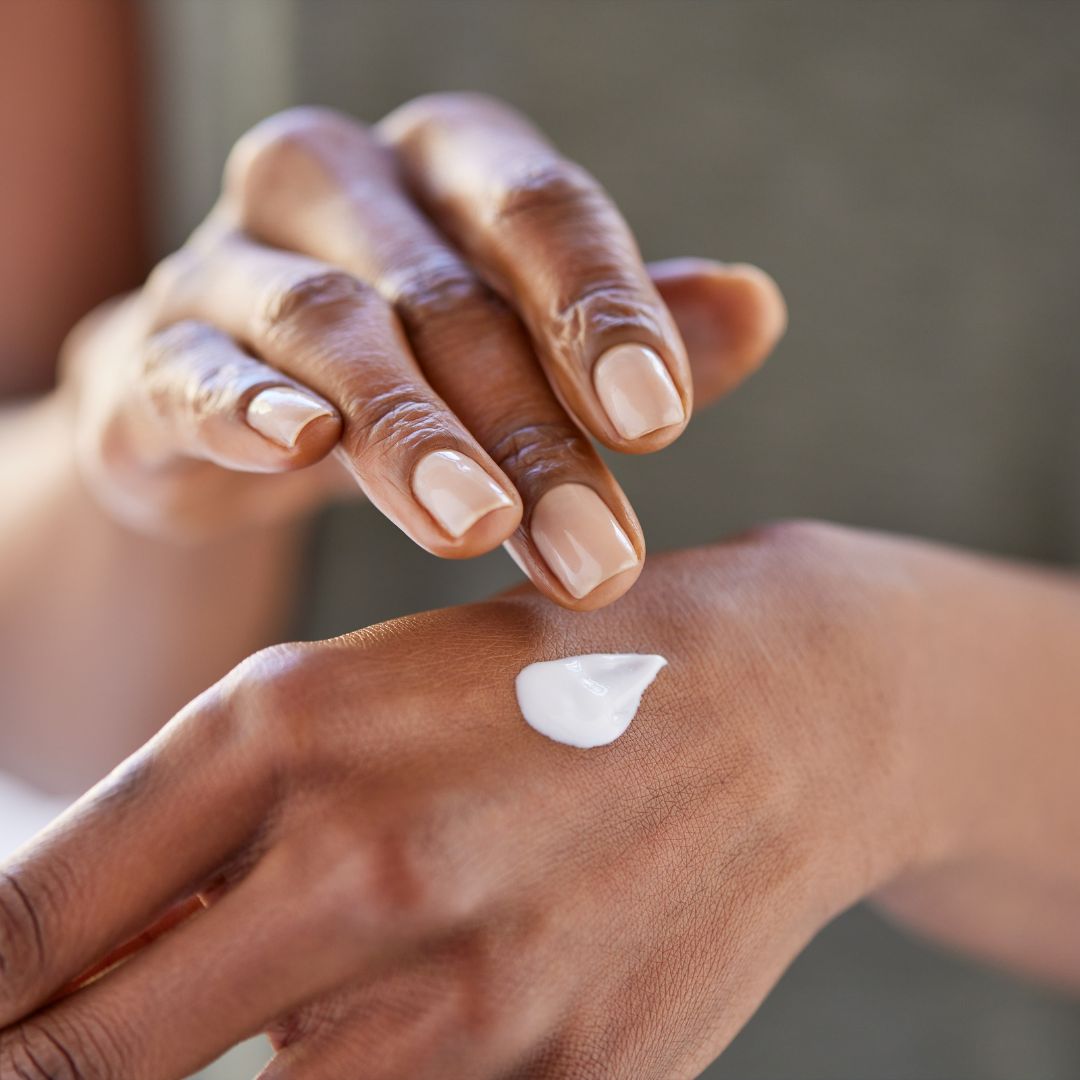
Are people with Black and mixed-race skin more prone to hyperpigmentation?
Not necessarily! Dark skin produces excess melanin after inflammation, so it’s immediately noticeable. The marks left behindare more visible and last longer thanon Caucasian skin. Even the smallest pimple will leave a dark spot that may take a long time to fade if it isn’t treated right away.

Early intervention for the treatment of spots
As soon as dark spots appear, it’s important toestablish a routine that will prevent them from becoming permanent. In fact, the later treatment begins, the lower the chances of the skin spots disappearing. If the spots are caused by acne or eczema, the priority is to treat the underlying causes. Once the skincare is in place and complete, a routine specifically targeting the spots can be established. In all cases, skincare products with impeccable formulations that do not bleach the skin should be prioritized. The goal of an anti-spot treatment is to eliminate or reduce the visibility of spots while evening out the skin tone.