Everything You Need to Know About
Moisturizing Dry or Dehydrated Skin
Dry skin is a common problem that can affect both the face and the body. To some extent, it can even be a nuisance in everyday life. We’ll explain how to tell the difference between dry skin and dehydrated skin, as well as how to make your skin more supple and healthy.
Dry Skin vs. Dehydrated Skin: What's the Difference?
It is essential to understand the difference between dry skin and dehydrated skin, as these two conditions have different causes and require different treatments.
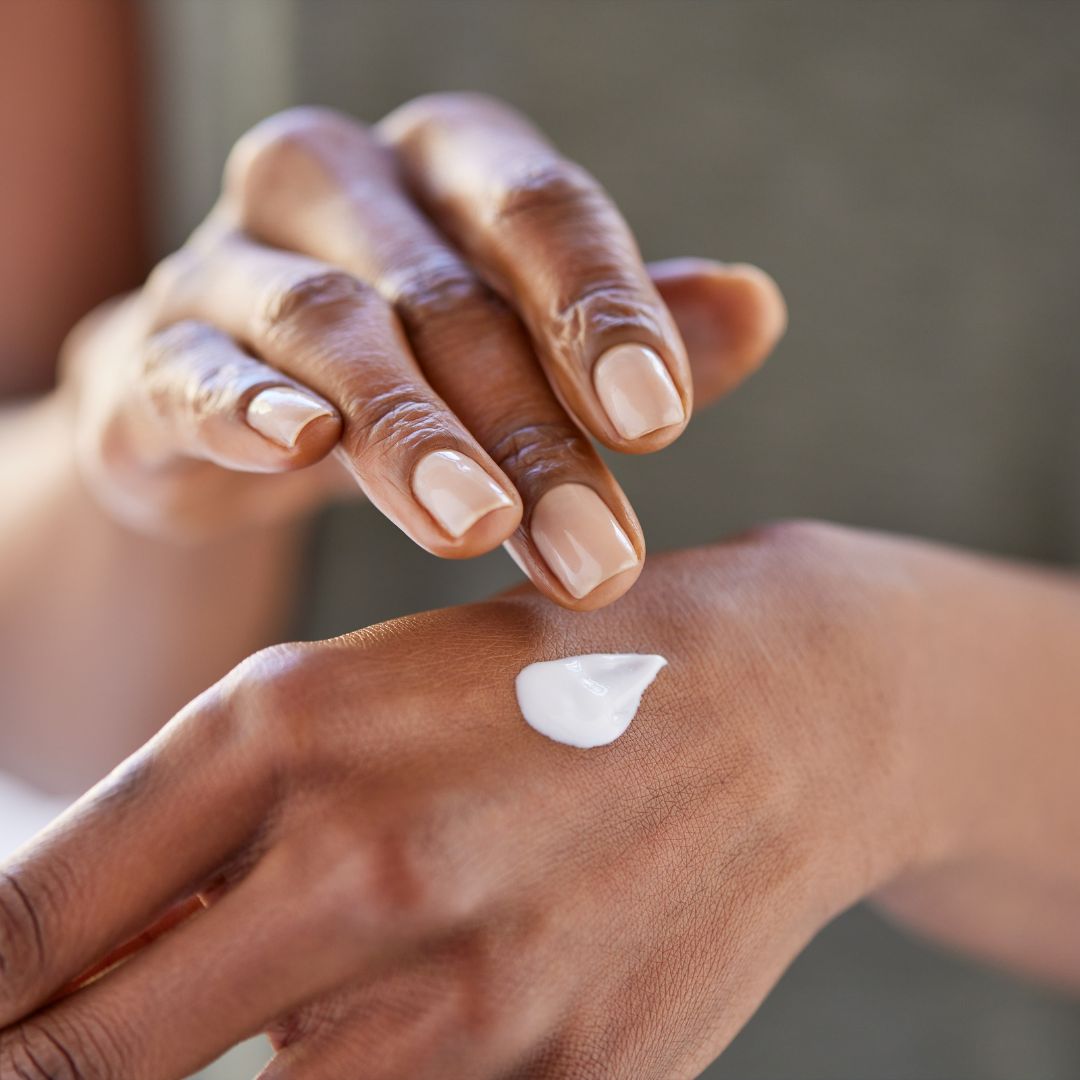
What is dry skin?
Dry skin is a skin type characterized by low sebum production—an oily substance naturally produced by the sebaceous glands. Dry skin can result from several factors: genetics, hormonal changes, environmental conditions, skincare habits... Dry skin is distinguished by several characteristics. First, it tends to lack moisture, which makes it prone to flaking, itching, and tightness—and even irritation. In addition, the pores are often barely visible, and the skin may appear dull and feel rough to the touch. To treat dry skin, it is essential to use moisturizing and, above all, nourishing (oil-based) products specifically formulated to restore the hydrolipidic film and maintain skin hydration.

What is dehydrated skin?
Unlike dry skin, which is a skin type—and therefore a permanent condition—dehydrated skin is a temporary condition. As a result, everyone is likely to experience episodes of skin dehydration at some point in their lives. Dehydrated skin is characterized by a lack of water in the upper layers of the skin. It can occur in all skin types, including combination to oily skin, due to factors such as exposure to wind, sun, central heating, dry cold, or harsh skincare products. It can manifest as fine lines, a tight feeling, and a dull complexion. Treating dehydrated skin involves using lightweight, water-based moisturizers, as well as maintaining healthy lifestyle habits such as staying properly hydrated (drinking water) and eating a balanced diet to restore the skin’s optimal hydration.
Dry Skin: How to Care for It?
When no specific skincare routine is followed, dry skin often feels rough, has flaky patches, itches, and feels tight. The solution to avoiding these issues is to choose the right products.
Body
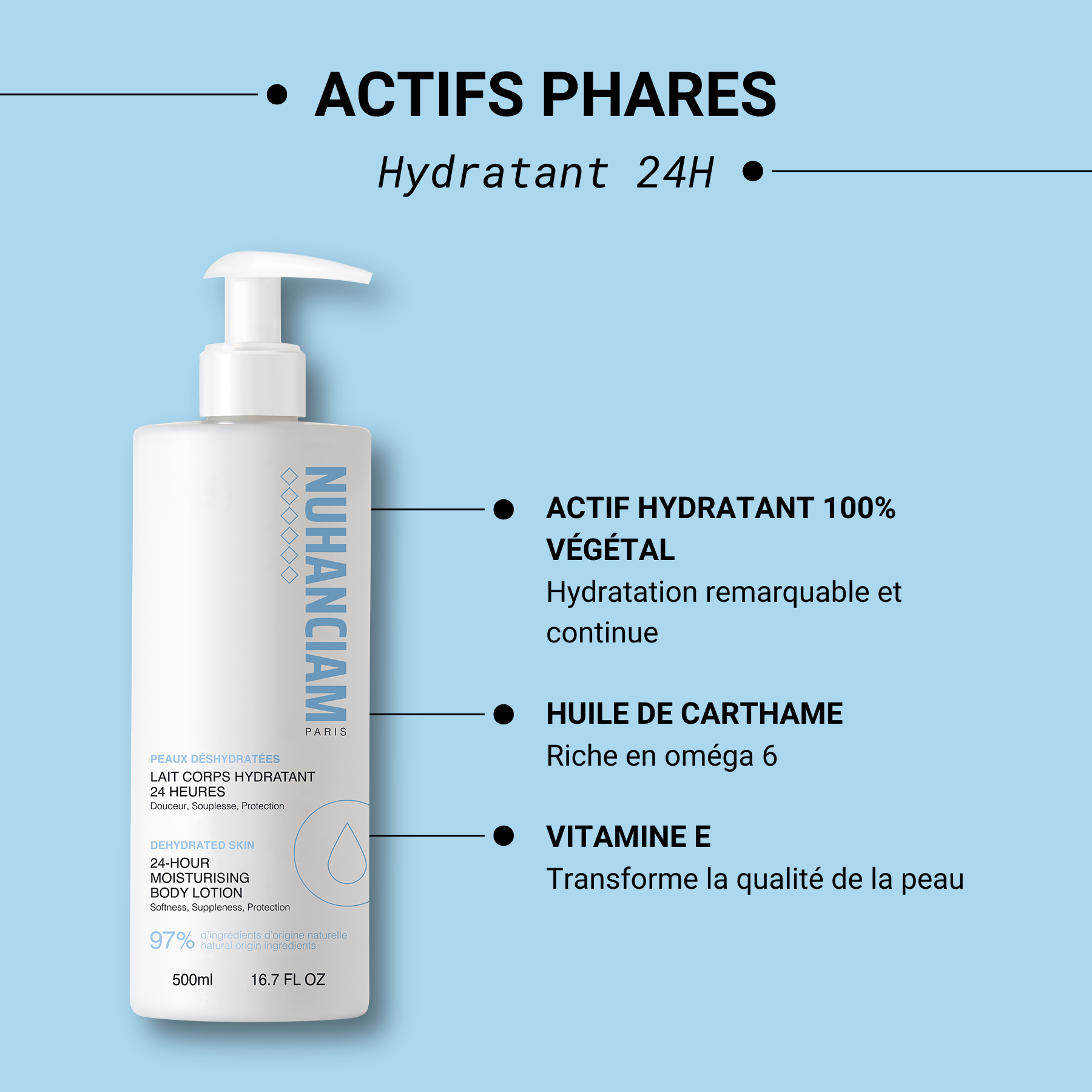
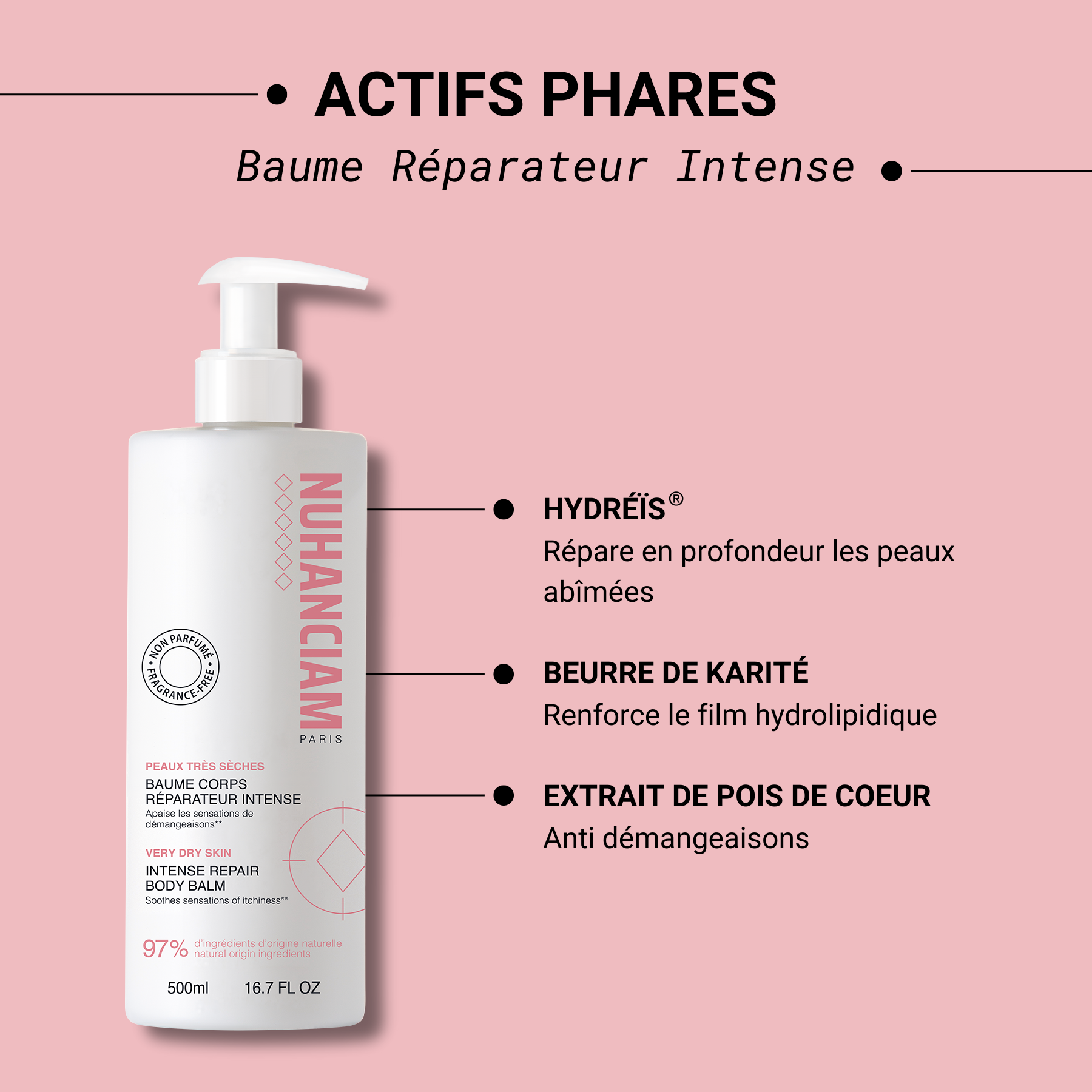
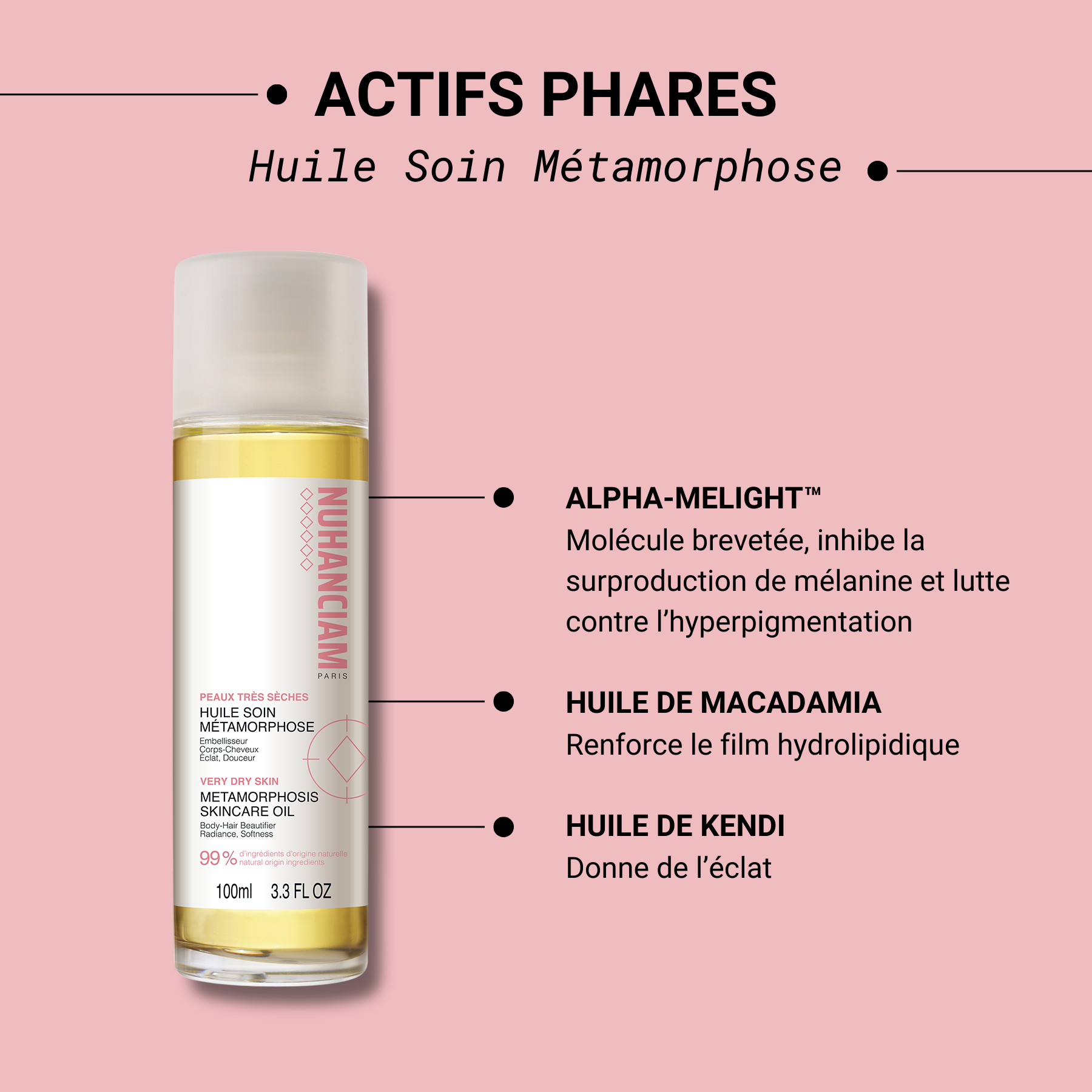
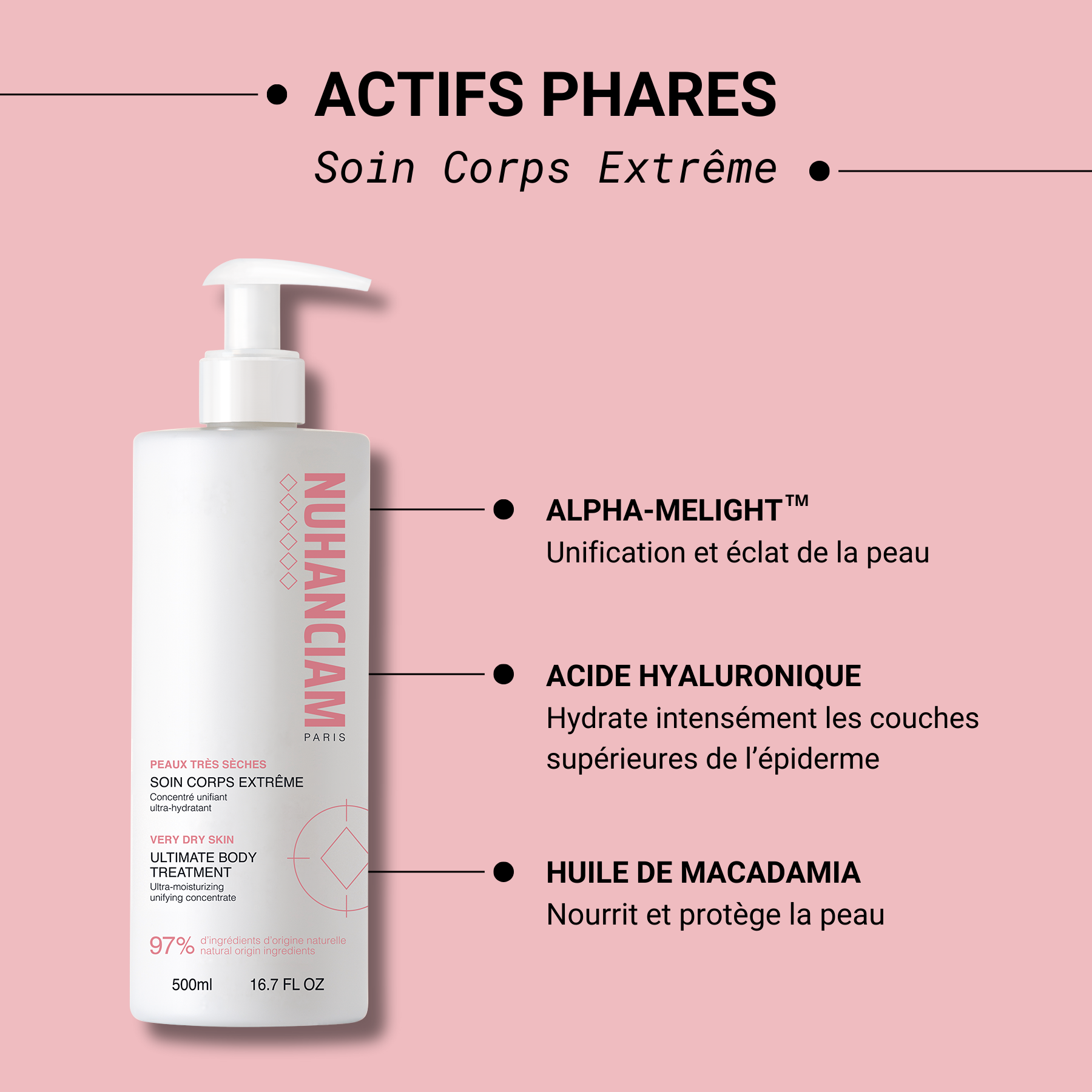
People with dry skin often need lipid-rich products to restore the skin’s suppleness and strengthen the skin barrier. Ingredients such as shea butter and plant-based oils are beneficial for nourishing and soothing dry skin, restoring its softness and elasticity. In these cases, there are several body care options to choose from: dry oils that enhance the skin’s appearance while nourishing it, as well as rich, soothing, and restorative creams or lotions.

Face
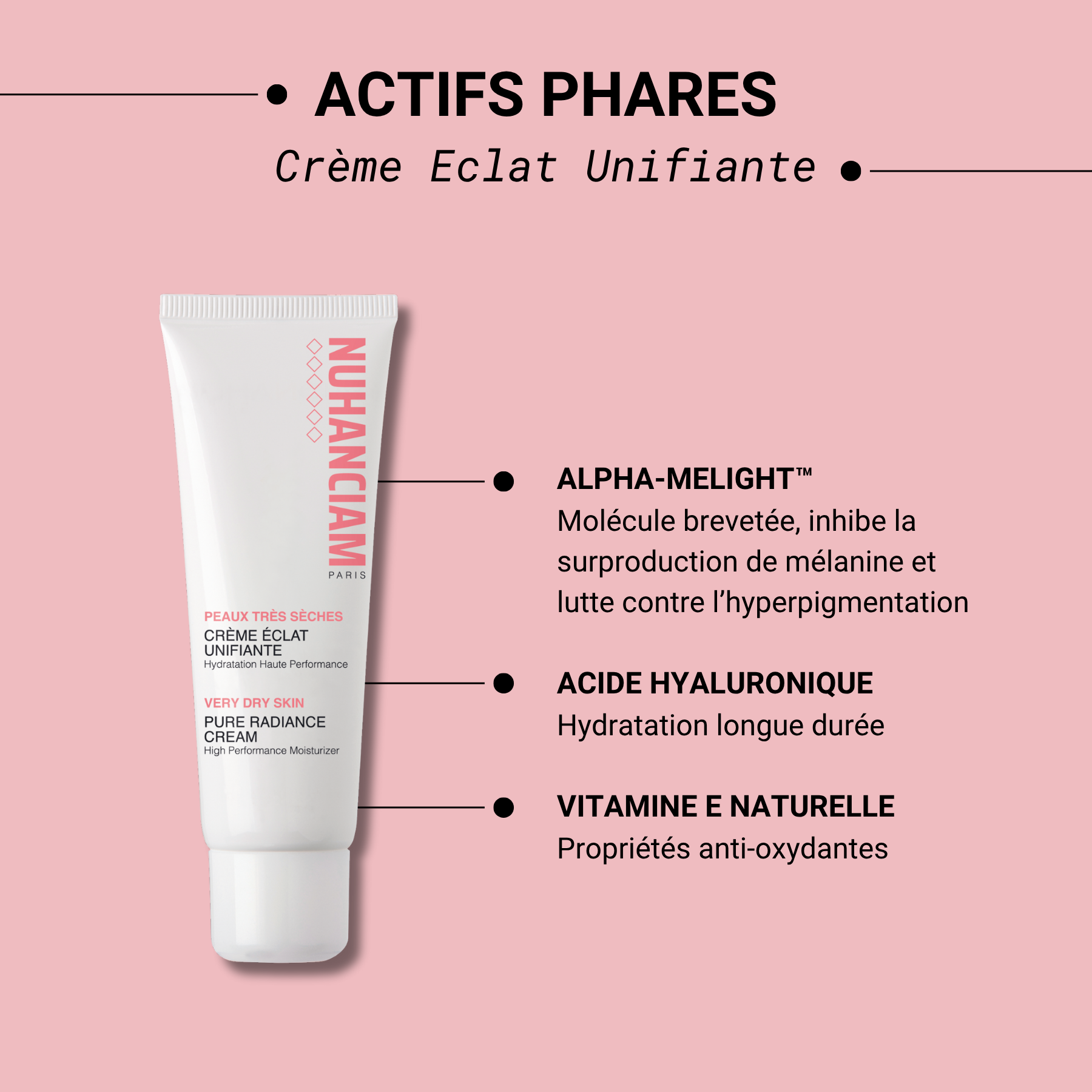
When it comes to the face, special attention should be paid to the ingredients in creams and other skincare products, such as masks, which help provide comfort and suppleness. Moisturizing and lipid-replenishing products made with non-comedogenic oils are recommended.




Dehydrated Skin: How Can You Maintain Skin Hydration?
Keeping your skin hydrated is essential for maintaining its elasticity, suppleness, and radiance. Here are a few tips for effectively moisturizing your face and body.

Internal Hydration
Be sure to stay well-hydrated by drinking enough water throughout the day. Hydrating from the inside can help maintain your skin's suppleness and elasticity.
External Hydration
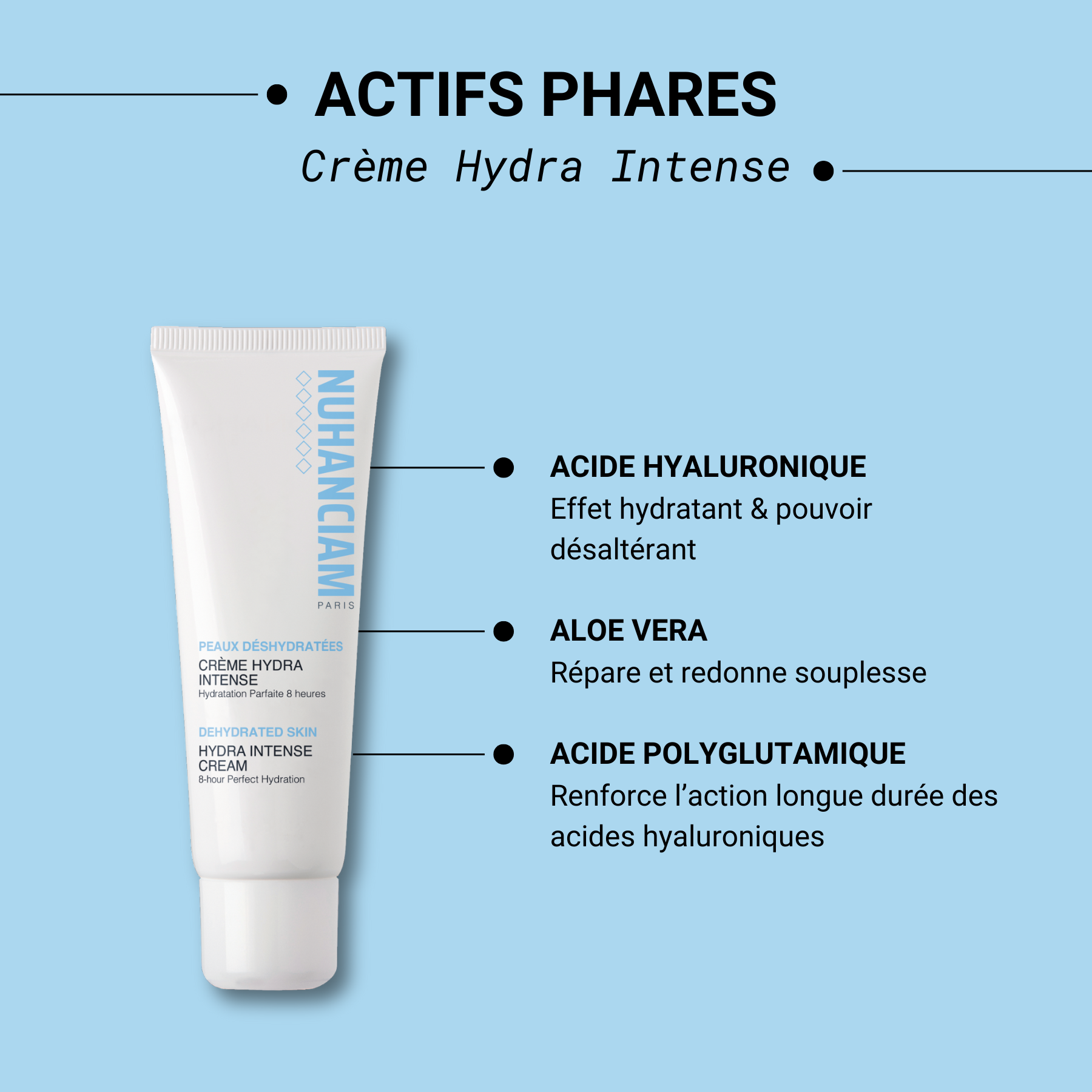
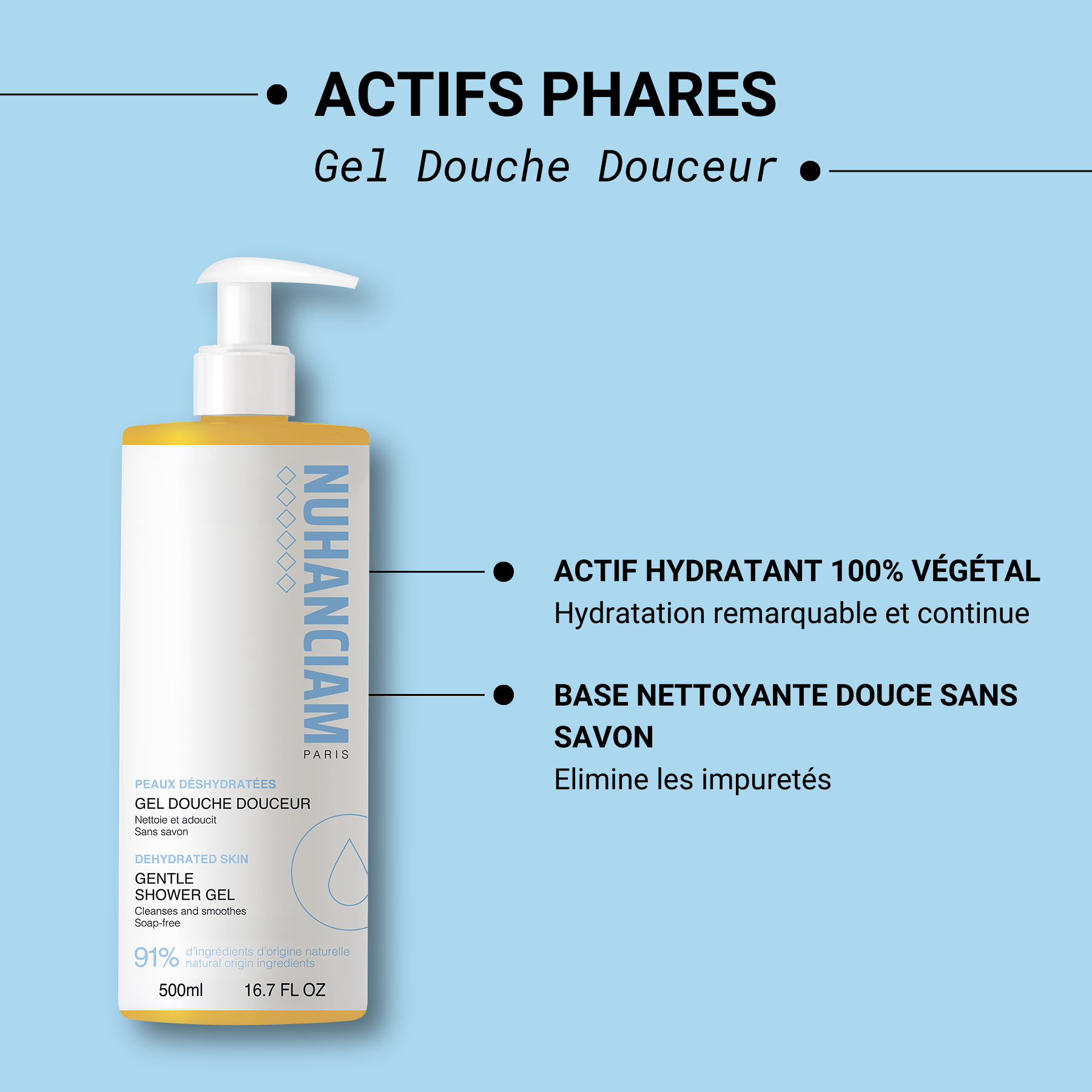
Use moisturizers suited to your skin type and specific needs. Look for ingredients such as hyaluronic acid or shea butter, which help the skin retain moisture and strengthen the skin barrier. Opt for cleansers that also moisturize. These are often gentle-textured products that contain skin-beneficial active ingredients, such as plant-based, soap-free cleansing agents.