Free shipping over €49 ✨ | 3 interest-free installments from €50

HYALURONIC ACID

SODIUM HYALURONATE or HYDROLYZED HYALURONIC ACID

For several years now,hyaluronic acid has held a prominent place in cosmetic formulas. Known for its moisturizing and anti-aging benefits, it is found in many skincare products under the names SODIUM HYALURONATE or HYDROLYZED HYALURONIC ACID. Let’s take a closer look at the superpowers of this star ingredient.

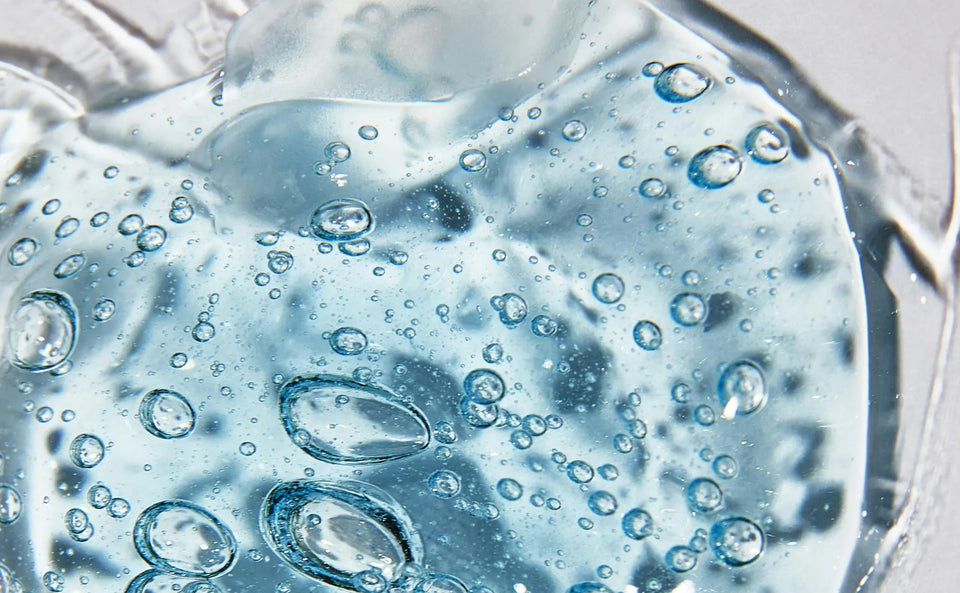
Close-up of air bubbles in a light blue gel

What Is Hyaluronic Acid? — Definition

Discovered in the 1930s, hyaluronic acid is a molecule belonging to the carbohydrate family. It occurs naturally in the human body, primarily in our skin, eyes, and joints.

Hyaluronic acid helps maintain proper hydration in skin cells, contributes to cell renewal, and helps preserve the hydrolipidic film that protects the epidermis.

The problem is that our bodies’ production of hyaluronic acid gradually decreases over the years. Studies have shown that its levels can be cut in half starting at age 50. Thus, the older we get, the more our skin tends to become dehydrated and less able to regenerate. It becomes more sensitive to external aggressors (stress, pollution, the sun’s UV rays, etc.), loses firmness, and fine lines and wrinkles begin to appear.

To compensate for this loss, the use of hyaluronic acid in cosmetics began to gain popularity in the 1990s. Since the early 2000s, it has also been used in aesthetic medicine to fill wrinkles and contour the face.

Hyaluronic acid incorporated into skincare products is, in most cases, obtained naturally in a laboratory through the bio-fermentation of grains such as wheat.

At NUHANCIAM, the hyaluronic acid in our formulas is indeed plant-based and can take three distinct forms:

Low-molecular-weight hyaluronic acid. Its small size allows it to penetrate the skin easily and quickly. It thus acts in the deeper layers of the epidermis to provide deep hydration and a plumping effect.

Very low molecular weight hyaluronic acid. It penetrates even deeper than its low molecular weight counterpart. By penetrating the deep layers of the skin, it boosts collagen production and stimulates cell regeneration. It is particularly effective at repairing dehydrated skin.

High-molecular-weight hyaluronic acid. It remains on the skin’s surface, where it forms an invisible protective barrier that locks in moisture and shields against external aggressors. This type of hyaluronic acid is often incorporated into creams, serums, and lotions to provide an immediate feeling of softness and comfort to the skin.

Liquid error (sections/block-content line 58): invalid URL input

Hyaluronic Acid — How It Works

Much like a sponge, hyaluronic acid works deep within the skin by absorbing and retaining water in the skin cells.

An exceptional moisturizing active ingredient , it can hold up to 1,000 times its own weight in water! It also forms a protective veil on the skin’s surface, shielding it from external aggressors and limiting water loss.

Much like cement, hyaluronic acid helps restore volume and firmness to the skin by filling the gaps between cells and promoting tissue cohesion, while also stimulating collagen production.

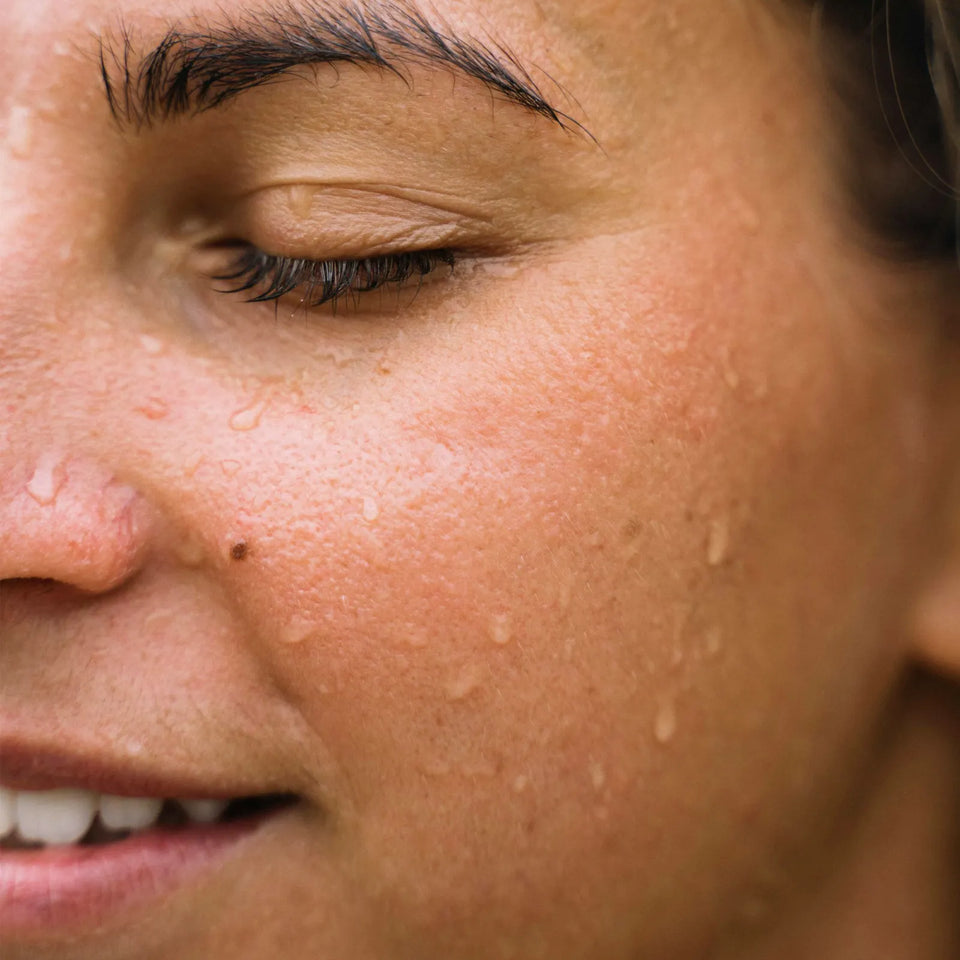
Close-up of a woman's face with water droplets on her skin

Benefits of Hyaluronic Acid for the Skin

Hyaluronic acid offers numerous benefits, making it a valuable ally in the fight against skin dehydration and the signs of aging.

Moisturizing: It promotes and maintains skin hydration.

Anti-wrinkle: It reduces the appearance of wrinkles and fine lines and prevents their formation.

Texture-improving: It improves the skin’s texture and volume, making it visibly more supple, firmer, and smoother.

Regenerating: It promotes skin cell renewal.

Protective: It forms a barrier that limits water loss and protects the skin from external aggressors.

Liquid error (sections/block-content line 58): invalid URL input

Is hyaluronic acid suitable for all skin types?

Hyaluronic acid has the advantage of being suitable for all skin types (oily, combination, acne-prone, normal, dry), all skin tones (from the darkest to the lightest), and all ages. Since the human body produces it naturally, it is a gentle, non-allergenic active ingredient that is therefore very well tolerated even by sensitive skin

Due to its moisturizing, soothing, and plumping properties, it is particularly recommended for dry skin and black and dark skin tones, which are often prone to dehydration, as well as for mature skin and skin that has lost its firmness.

Liquid error (sections/block-content line 58): invalid URL input

Hyaluronic Acid in Cosmetics

Many facial and body skincare products contain hyaluronic acid in varying amounts: creams, serums, lotions, milks, masks…It has become one of the essential ingredients in anti-aging and moisturizing skincare products. It is also found in certain hair care and makeup products, in nail care, and in aesthetic medicine, where it is commonly used in injections.

Contraindications and side effects: Hyaluronic acid can be combined with any other cosmetic active ingredient.

Usage and Application Tips: The use of hyaluronic acid skincare products is permitted and even recommended starting in early adulthood, around age 20, to combat dehydration and the effects of aging. To maximize its moisturizing effects, it is recommended to apply it to slightly damp skin.

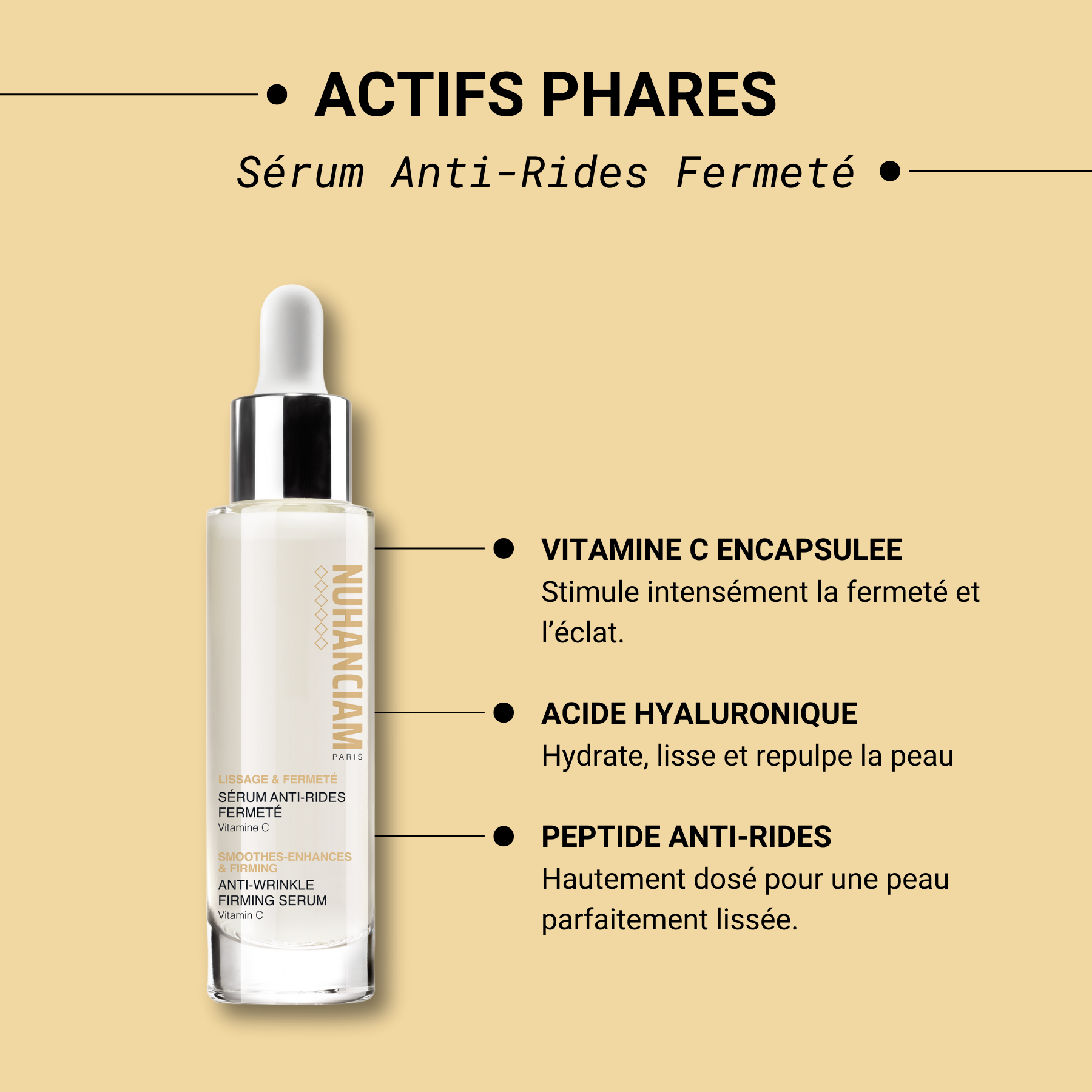
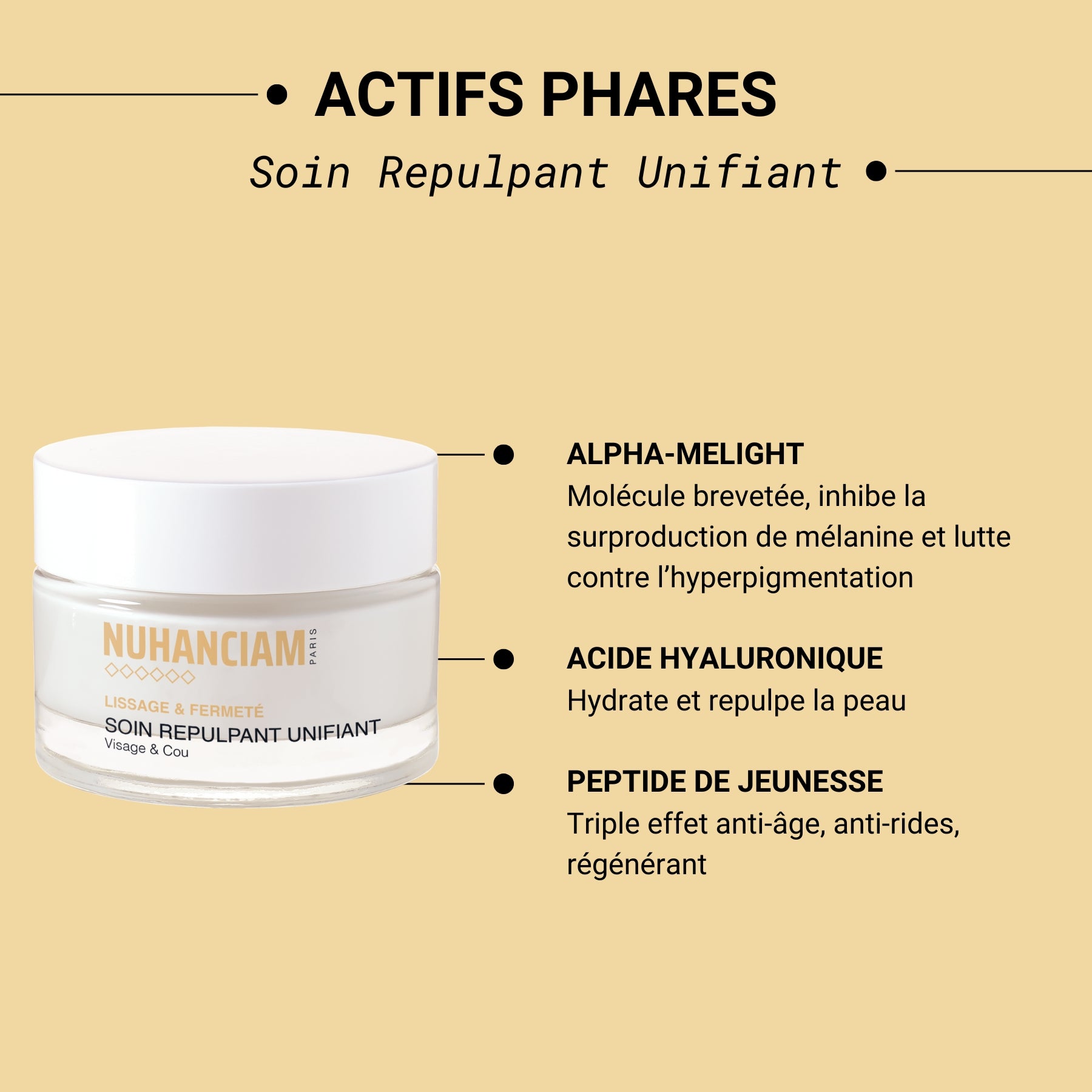
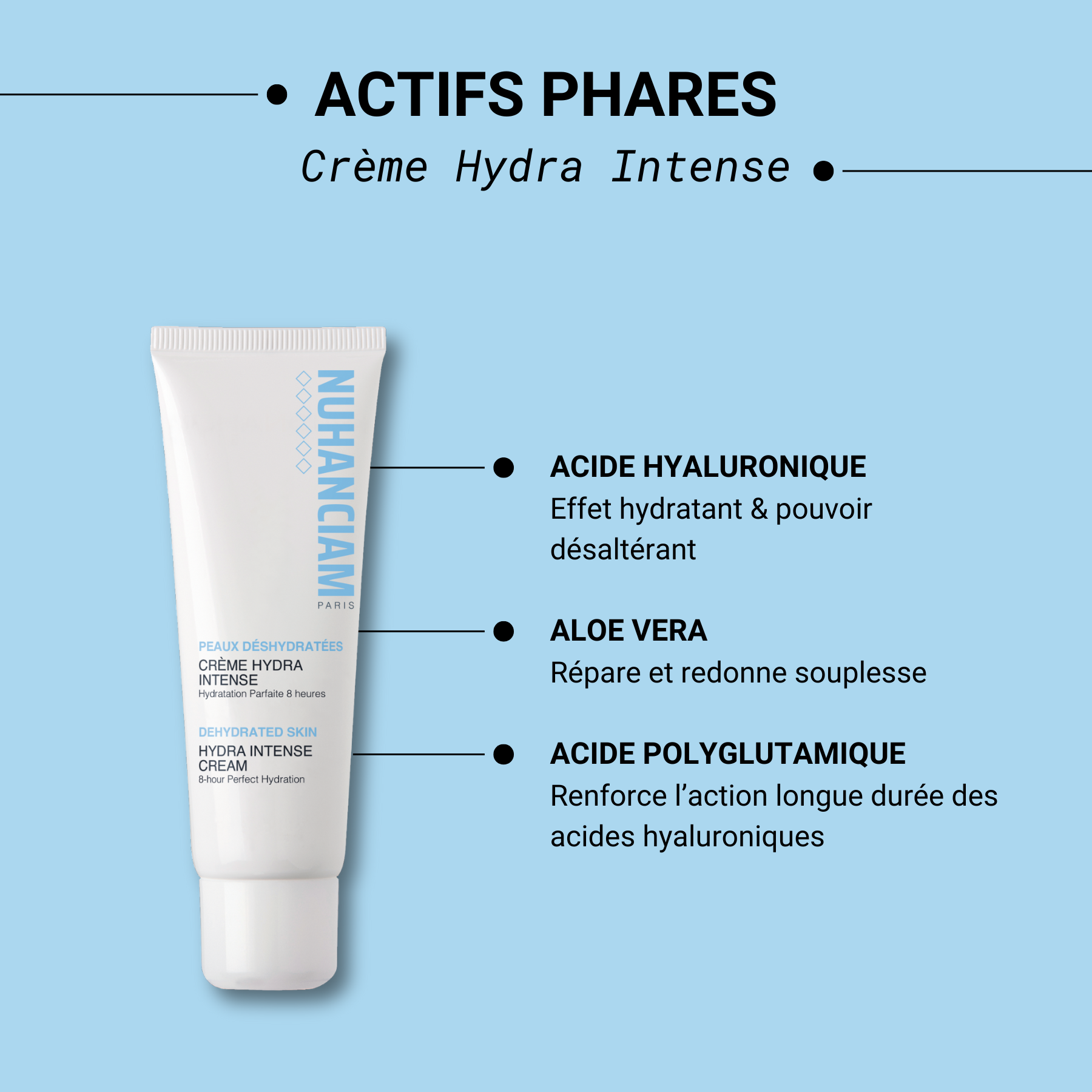
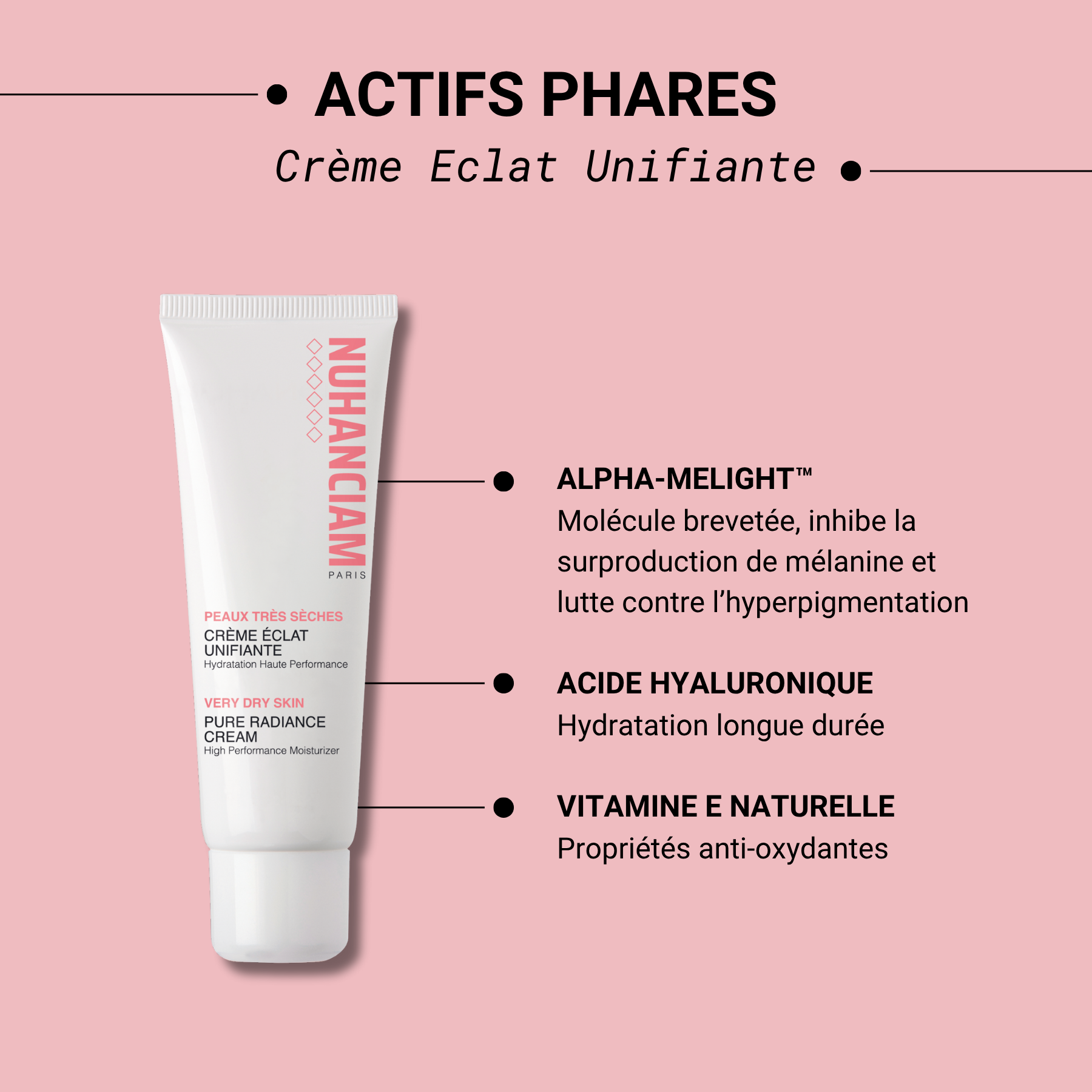
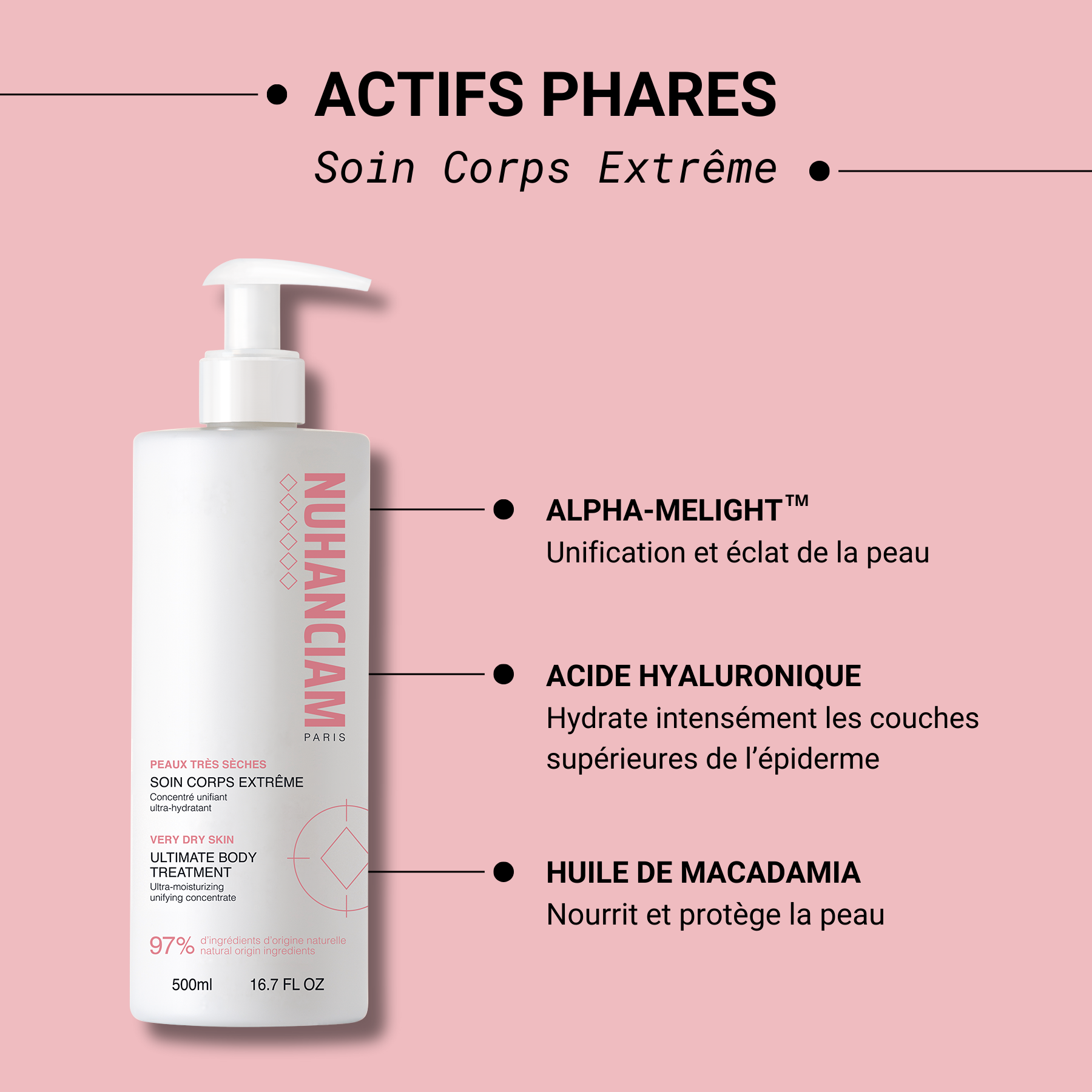
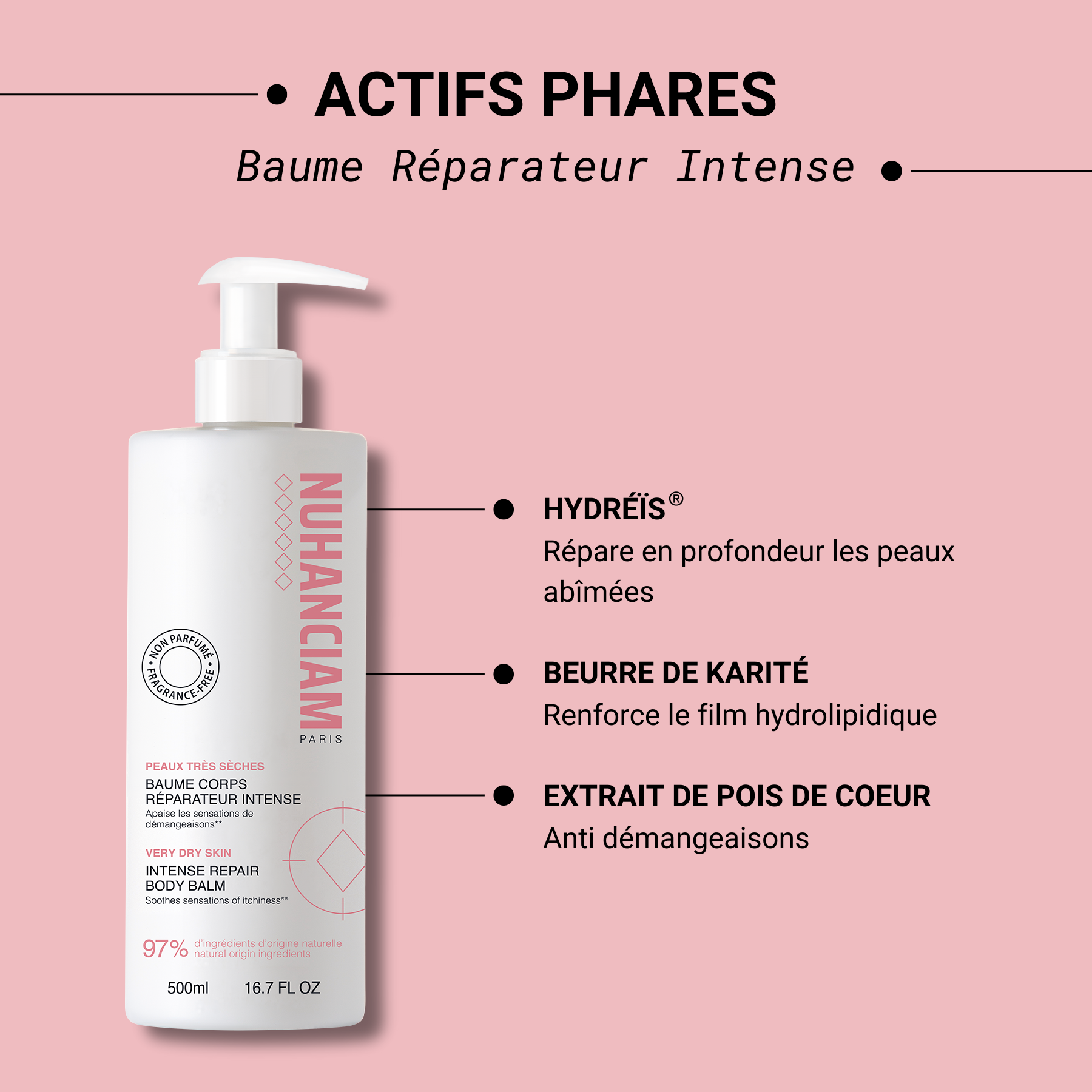
At NUHANCIAM, we incorporate hyaluronic acid of all molecular weights into our formulas to offer effective moisturizing and anti-aging skincare products suitable for all skin types.

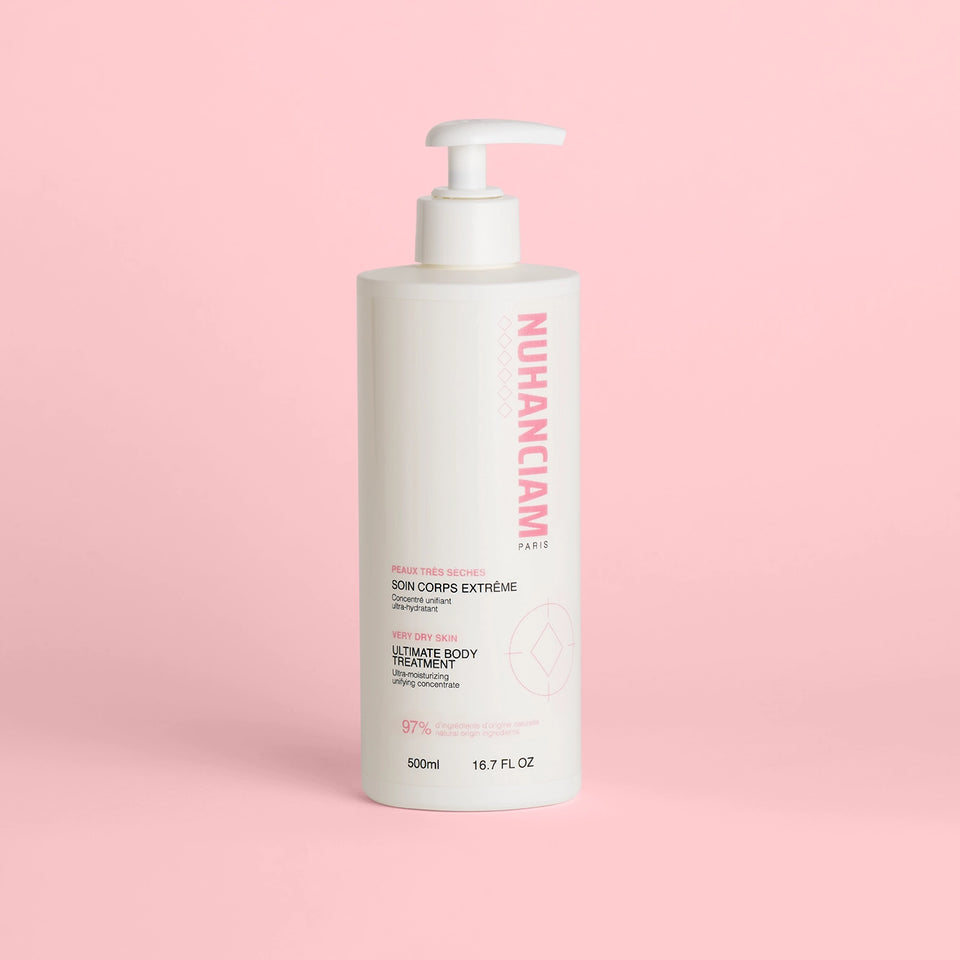
500ml bottle of Ultimate Body Treatment for very dry skin