Free shipping over €49 ✨ | 3 interest-free installments from €50

POLYGLUTAMIC ACID (PGA)

POLYGLUTAMIC ACID
Polyglutamic acid, also known by the acronym PGA, is becoming increasingly popular in cosmetics due to its powerful moisturizing properties. It appears on product labels under the name POLYGLUTAMIC ACID. Let’s take a closer look at this ingredient with its many benefits, which is slowly but surely becoming a must-have in skincare.

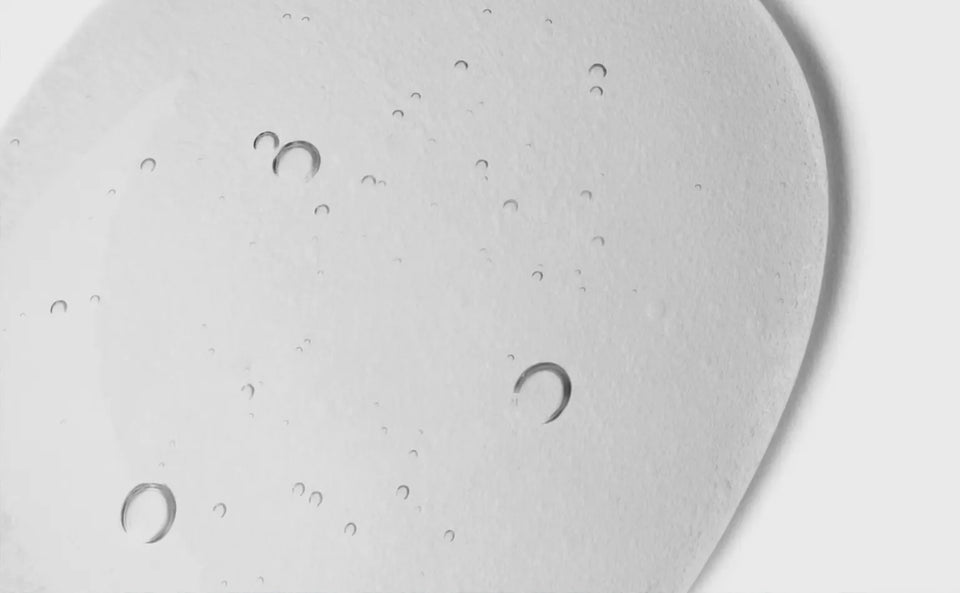
Close-up of a drop of clear gel with air bubbles on a white background

What Is Polyglutamic Acid? — Definition

Polyglutamic acid is a biopolymer—that is, a e macromolecule produced naturally by living organisms (plants, algae, animals, etc.). In cosmetics, it is generally obtained from soybeans fermented with a “good bacterium” called Bacillus subtilis.

It was first discovered around the 1930s and extracted from marine jellyfish, where it helps retain water and prevent dehydration accelerated by saltwater. It is also found in large quantities in nattō, a traditional Japanese food made from fermented soybeans.

Although polyglutamic acid is not naturally present in the human body, it is of natural origin, and our skin can fully benefit from its moisturizing properties.

Liquid error (sections/block-content line 58): invalid URL input

Polyglutamic Acid — How It Works
When applied to the skin, polyglutamic acid forms a protective film on its surface that limits water evaporation. By trapping moisture within the epidermis, it helps maintain and enhance the skin’s hydration.

Its moisturizing power is five times greater thanthat of hyaluronic acid, to which it is often compared, as it can hold up to 5,000 times its own weight in water!

Polyglutamic acid also has the ability to stimulate the natural production of certain molecules that ensureskin hydration, including pyrrolidone carboxylic acid (PCA), lactic acid, and urocanic acid.

In addition, it may help slow down the production of the substance responsible for the breakdown of hyaluronic acid naturally present in our bodies.

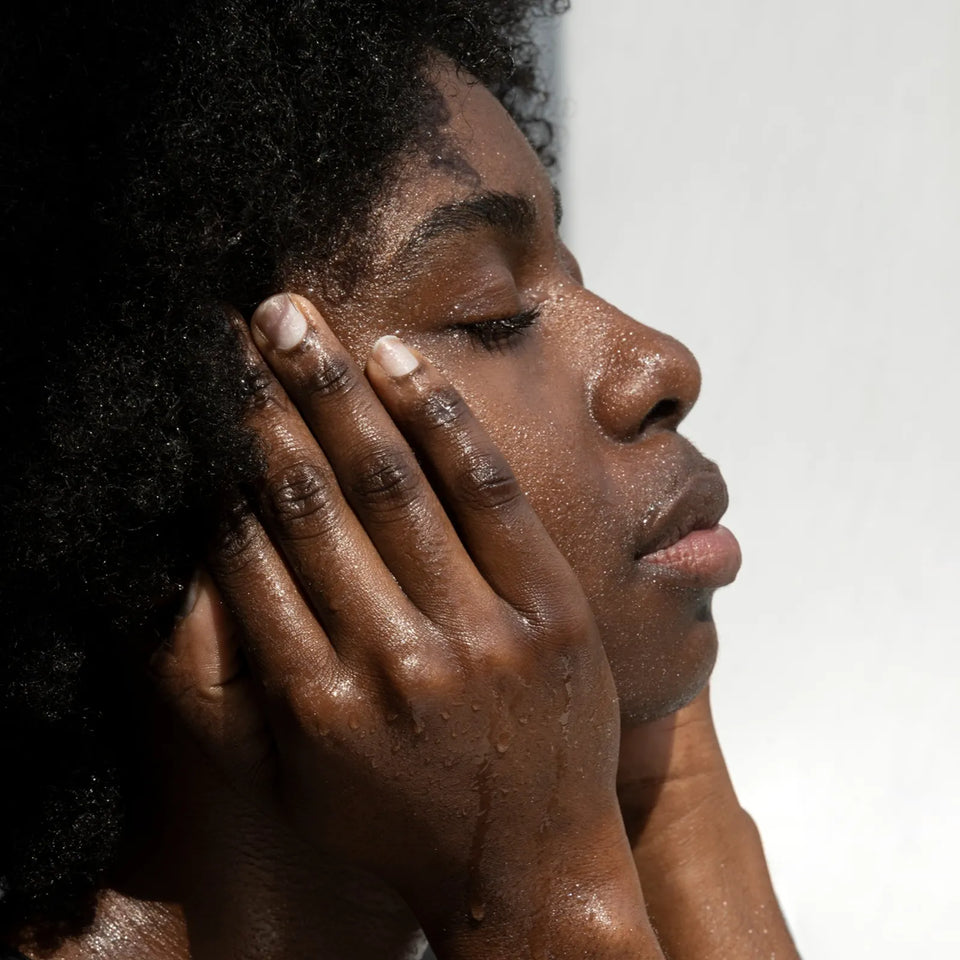
A person's face with curly hair, eyes closed, hands on their cheeks, with water droplets on their skin

Benefits of Polyglutamic Acid for the Skin

A true defense against dehydration, polyglutamic acid offers numerous benefits for the skin.

Moisturizing: It keeps the skin intensely hydrated by preventing water from evaporating.

Protective: It forms a layer on the skin’s surface, acting as a barrier against external aggressors.

Plumping: It helps smooth out wrinkles and fine lines and strengthen the skin’s elasticity.

Revitalizing: It helps limit the loss of hyaluronic acid while enhancing its action, and also boosts the production of certain anti-aging molecules naturally present in the body.

Liquid error (sections/block-content line 58): invalid URL input

Is polyglutamic acid suitable for all skin types?

Polyglutamic acid is suitable for all skin types (oily, combination, acne-prone, normal, dry)—even the most sensitive and reactive skin—and for all skin tones, from the darkest to the lightest.

Its moisturizing properties make it particularly beneficial for dry, dehydrated, and dull skin.

Liquid error (sections/block-content line 58): invalid URL input

Polyglutamic Acid in Cosmetics
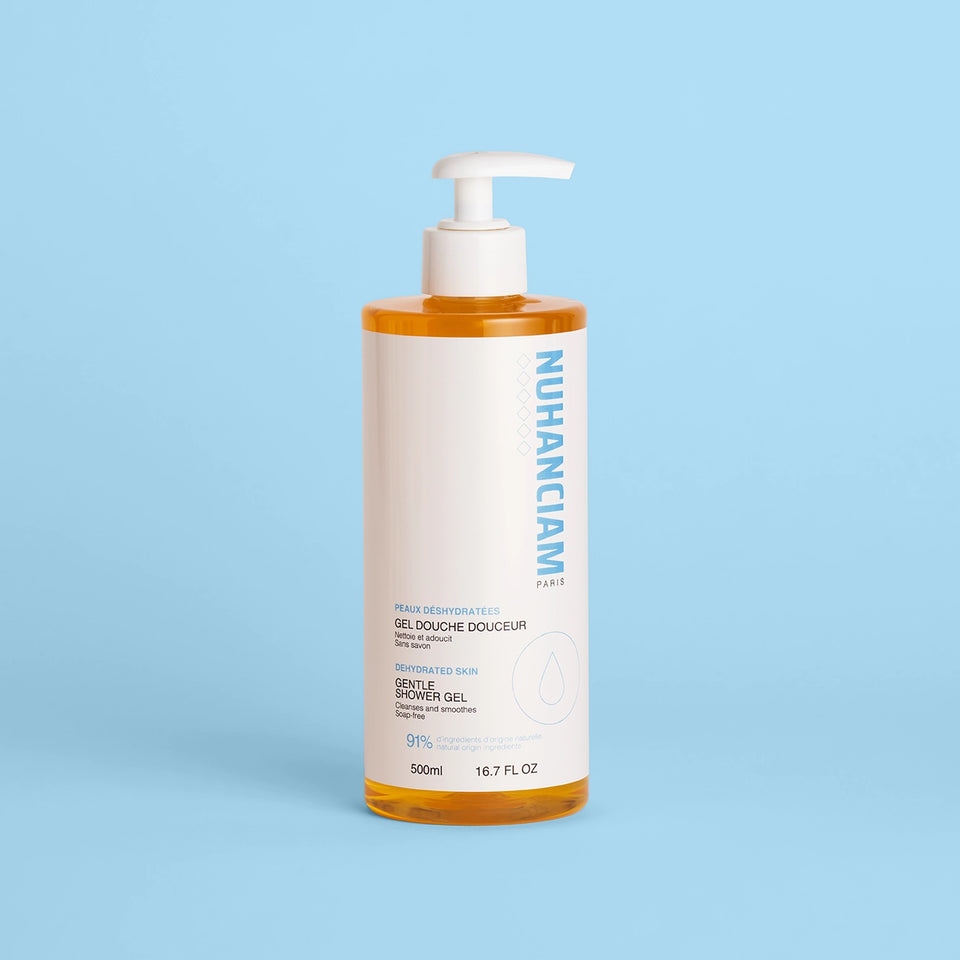
Polyglutamic acid is used in a wide variety of moisturizing cosmetic products , including serums, creams, masks, lotions and milks, shower gels, hair care products, and even foundations.

Contraindications and side effects: While rare, some people may experience a slight tingling sensation, especially if their skin is sensitized by other active ingredients (exfoliating acids, retinoids, etc.). It may therefore be best to perform a patch test on the inside of the elbow before use. In addition, polyglutamic acid can sometimes cause a “flaking” effect when layered with makeup.

Usage and application tips: It is recommended to apply skincare products containing polyglutamic acid to skin that has been thoroughly cleansed beforehand. It is particularly effective when combined with other active ingredients such as hyaluronic acid for both surface and deep hydration.

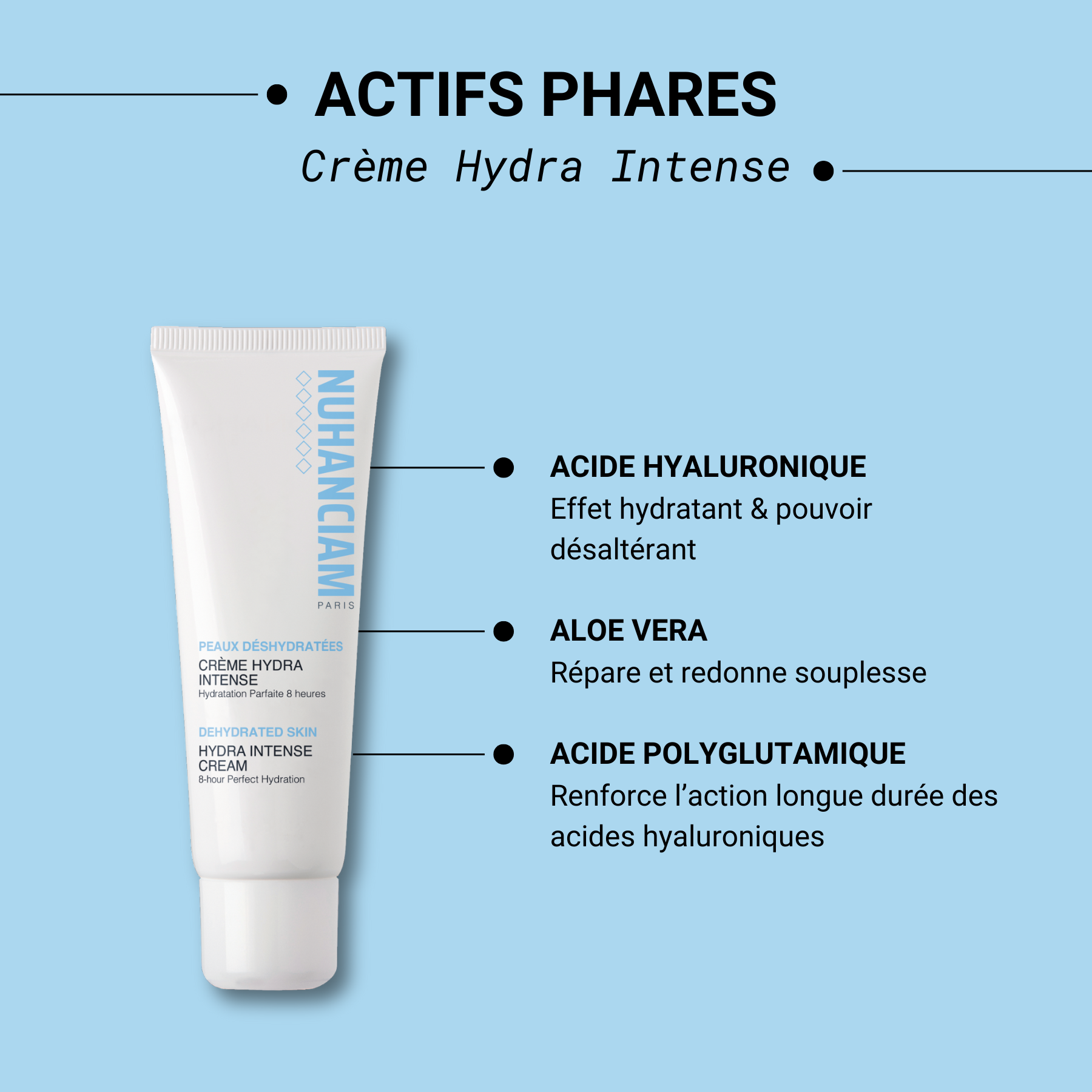
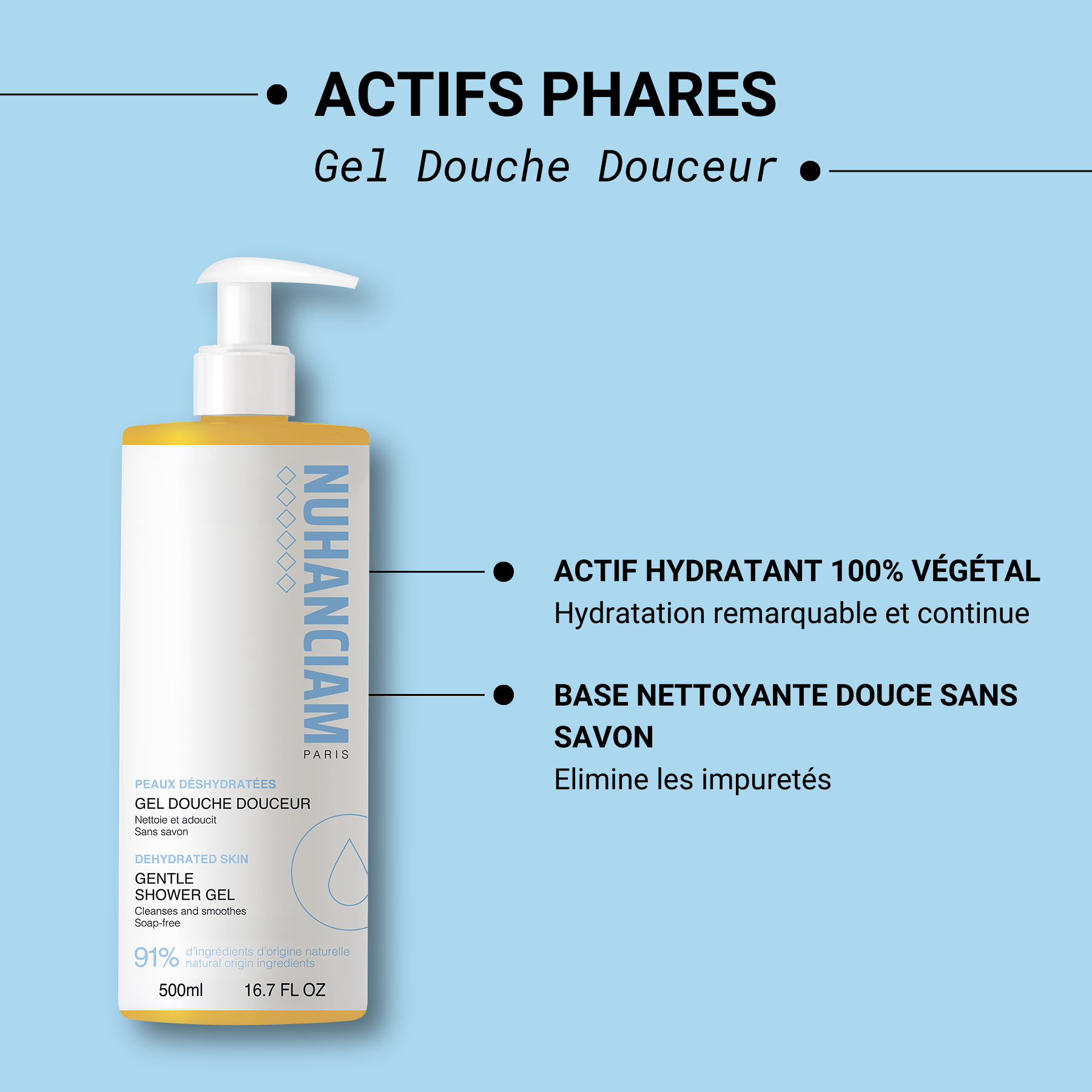
At NUHANCIAM, we incorporate polyglutamic acid into our skincare products designed for dehydrated skin.

Gentle Shower Gel for Dehydrated Skin, 500 ml