Free shipping over €49 ✨ | 3 interest-free installments from €50

NIACINAMIDE (VITAMIN B3)

NIACINAMIDE

One active ingredient, a thousand benefits! Niacinamide, also known as vitamin B3, has gradually become a star ingredient in the world of skincare. And for good reason: it’s incredibly effective at improving the skin’s appearance. In fact, niacinamide addresses a wide range of skin concerns, such as hyperpigmentation, redness, enlarged pores, acne, and excess sebum. The best part? It’s suitable for all skin types, even the most sensitive. In short, niacinamide has truly established itself as an essential cosmetic ingredient, and you’ll quickly understand why as you read on.

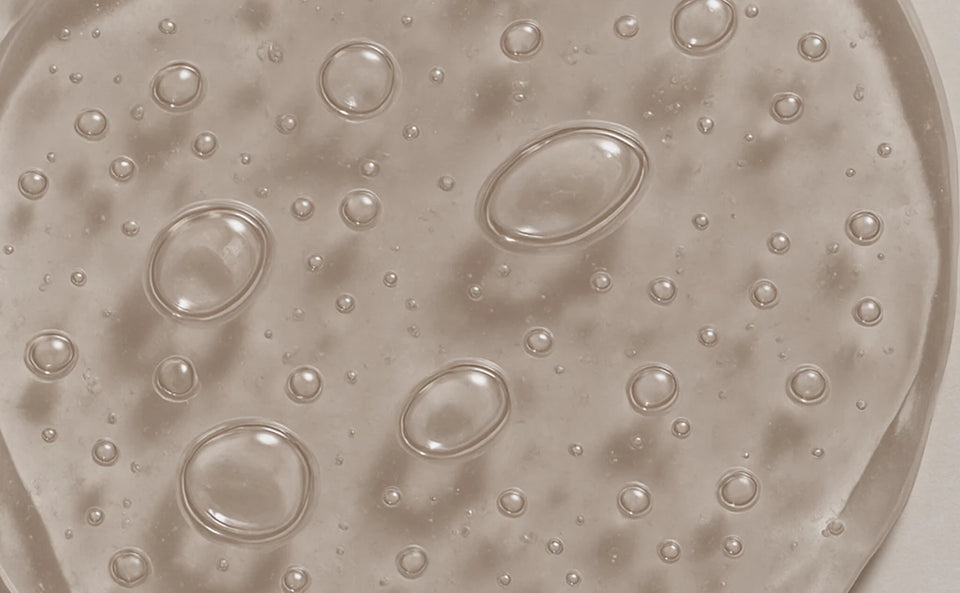
Air bubbles in a clear gel

What Is Niacinamide? — Definition

Niacinamide is an active form of vitamin B3, a vitamin naturally present in the human body and certain foods such as grains, legumes, and seeds.

The niacinamide found in cosmetics is not directly extracted from food: it is generally produced in a laboratory, which ensures its purity, stability, and skin tolerance. Specifically, it is derived from nicotinic acid (also known as niacin), another form of vitamin B3. This molecule undergoes a chemical process called amidation, which converts it into nicotinamide—that is, niacinamide. This results in a molecule identical to the one found naturally in certain plants.

Long used in dermatology, niacinamide is one of the most versatile active ingredients in cosmetics. Its effectiveness has been demonstrated by numerous clinical studies. It is also one of the few ingredients that can be incorporated into almost all types of skincare products (serums, creams, lotions, etc.) and skincare routines (day and night, summer and winter).

Liquid error (sections/block-content line 58): invalid URL input

Niacinamide — How It Works

Niacinamide works in several ways on the skin. It is best known for its ability to reduce sebum production, which helps limit shine, clogged pores, and the appearance of blemishes.

It is just as effective at refining skin texture, as it tightens pores by improving the elasticity of the follicular walls. The result: smoother, clearer skin.

Niacinamide also has anti-inflammatory properties. With its soothing effects, it helps calm irritation and reduce redness associated withconditions such asacne, rosacea, oreczema.

Furthermore, it boosts the production of essential lipids such as ceramides, thereby strengthening the skin barrier. In practical terms, this helps limit water loss and improve comfort in dehydrated skin.

Niacinamide is also a great ally for skin prone tohyperpigmentation. By reducing the transfer of melanin to keratinocytes (the cells of the stratum corneum), it helpsfade dark spots andvisibly even out the complexion.

Finally, it is a powerful antioxidant capable of protecting skin cells from environmental stressors and supporting skin repair.

A smiling young blonde woman with her eyes closed, her hands on her cheeks, wearing a purple patterned top

Benefits of Niacinamide for the Skin

All the benefits of niacinamide explain why it has become one of the most sought-after ingredients in dermocosmetics:

✔ Anti-blemish: It targets all the factors responsible for blemishes (acne breakouts, dark spots, blackheads, shine, etc.)

✔ Sebum-regulating: It reduces sebum production.

✔ Skin-refining:
It refines skin texture and tightens pores.

✔ Brightening: It reduces dark spots and prevents their recurrence.

✔ Complexion-evening: It evens out and corrects skin tone irregularities.

✔ Soothing: It reduces skin sensitivity, redness, and inflammation.

✔ Protective: It strengthens the skin barrier and keeps it healthy.

Liquid error (sections/block-content line 58): invalid URL input

Is niacinamide suitable for all skin types?

Yes, and that’s also one of niacinamide’s strengths: it’s very well tolerated by all skin types, even sensitive, reactive, or atopic-prone skin. It’s suitable for both oily and dry skin and can be used starting in adolescence.

It is particularly beneficial for combination, oily, and acne-prone skin, as well as for skin prone to hyperpigmentation. Its high tolerance also makes it an ideal active ingredient for skin that cannot tolerate stronger treatments (such as acids or retinoids).

It’s worth noting that niacinamide poses no risk of depigmentation. It acts gradually and specifically on pigmentation issues, making it perfectly suited for Black skin.

Liquid error (sections/block-content line 58): invalid URL input

Niacinamide in Cosmetics
Niacinamide is found in a wide variety of skincare products: creams, lotions, serums, and targeted treatments designed to combat blemishes, redness, and pigmentation spots.

Contraindications and side effects: Niacinamide is very well tolerated by the skin. A mild tingling sensation may occur when first using higher concentrations (>5%), but at 3%, it remains comfortable and effective. There are no known side effects at this concentration.

Usage and application tips: Niacinamide can be applied in the morning and/or evening and used continuously throughout the year. It combines very well with other targeted anti-dark spot and anti-blemish active ingredients such as zinc, mild AHAs,salicylic acid, or bakuchiol. Niacinamide is not photosensitizing, but don’t forget to apply sunscreen in the morning to prevent dark spots and premature skin aging.

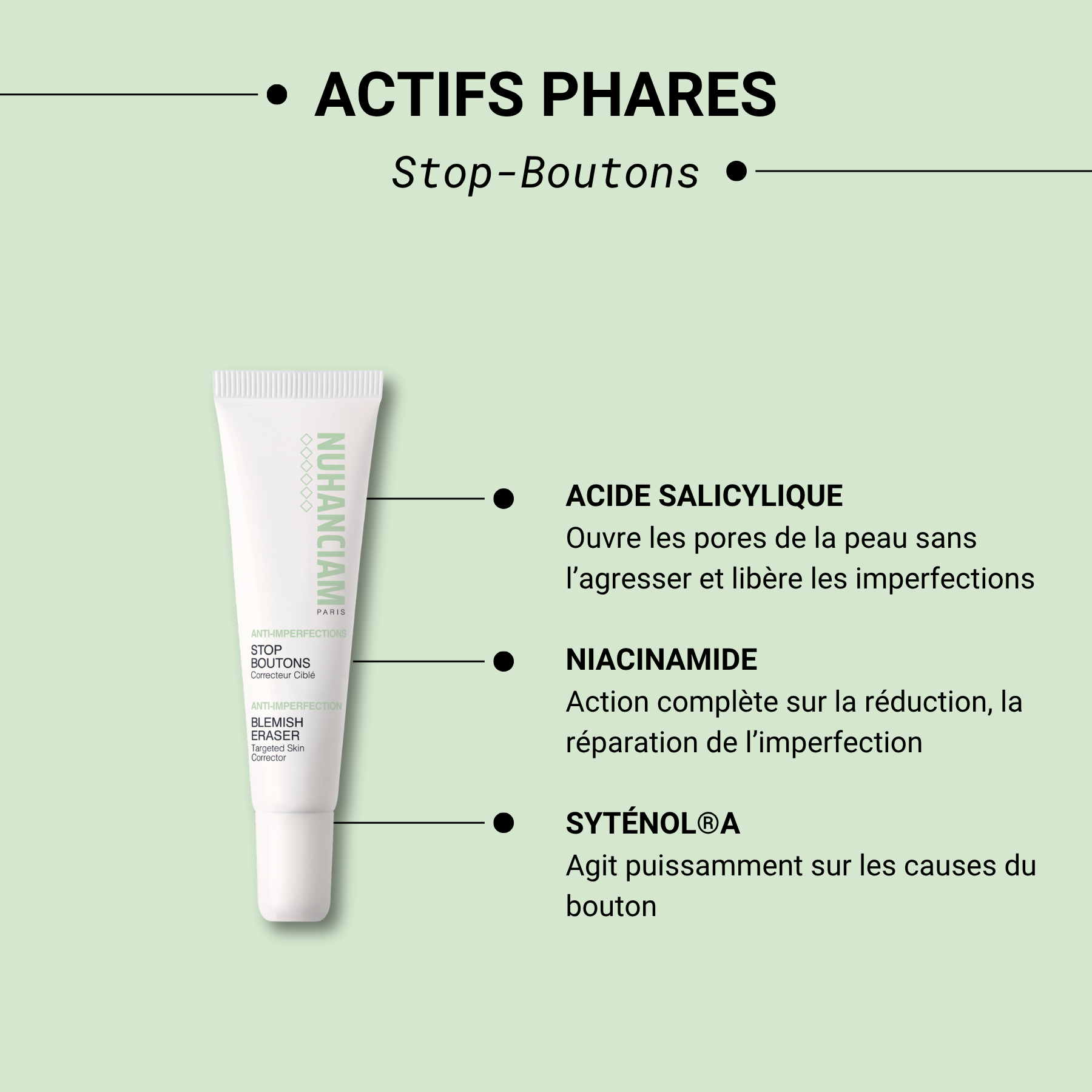
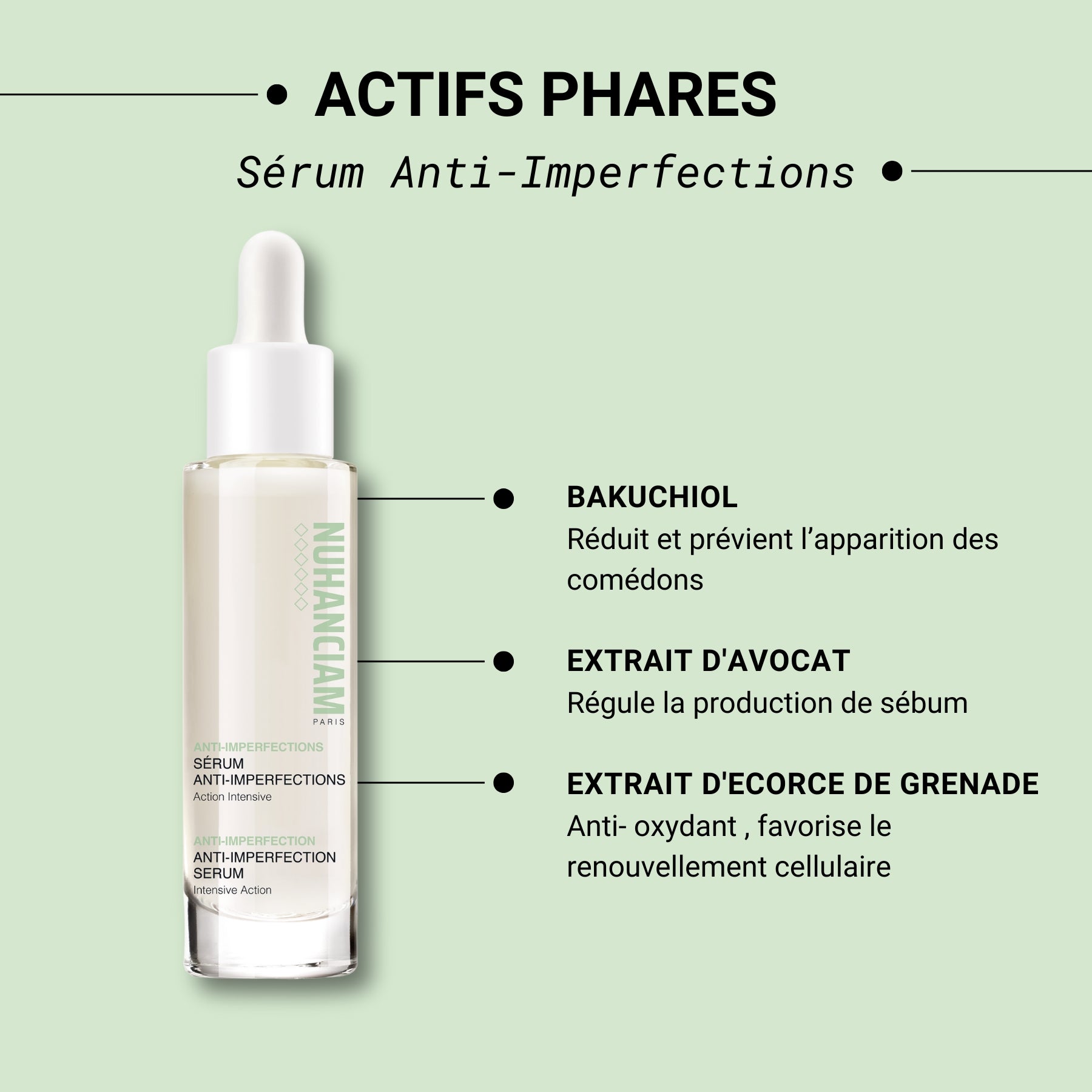
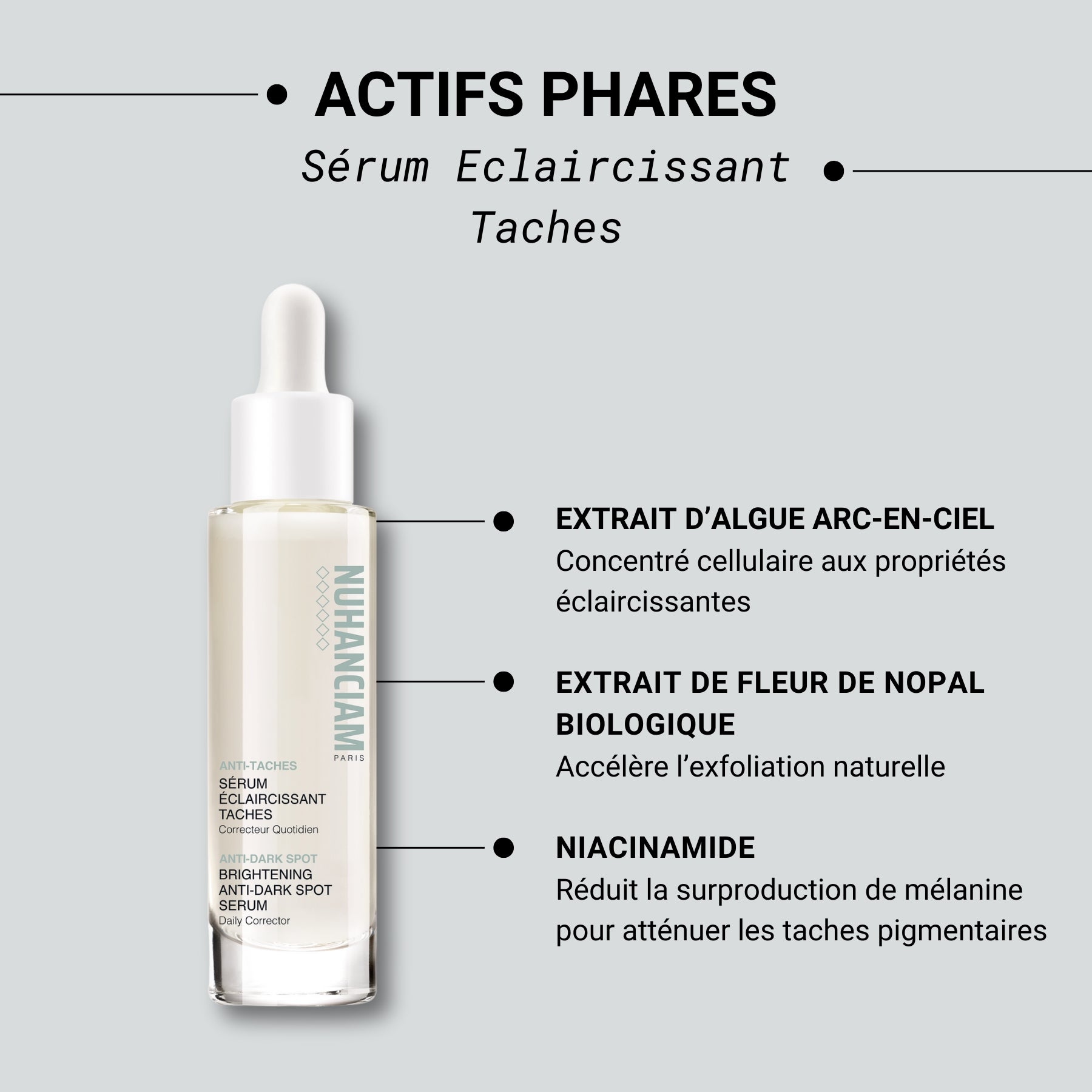
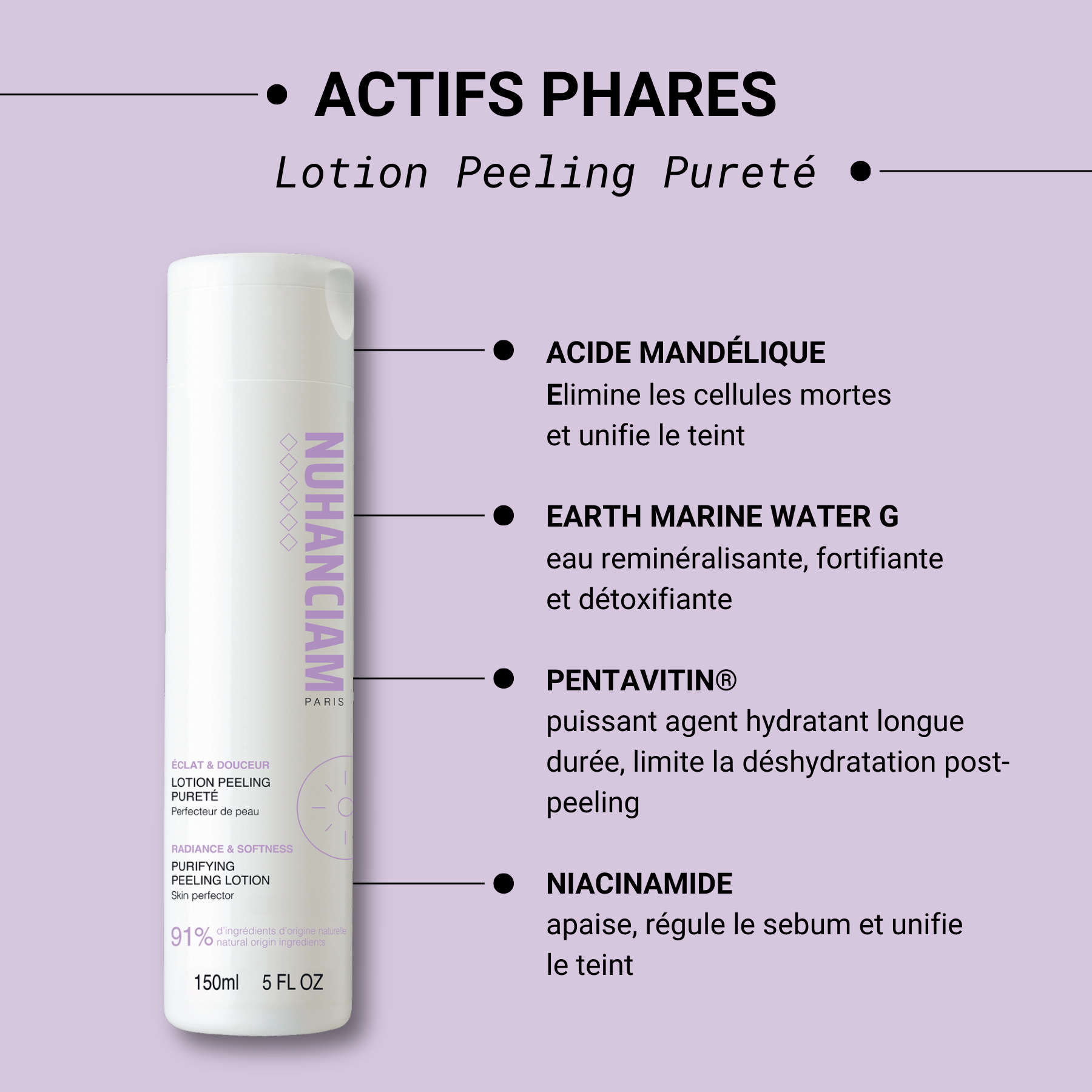
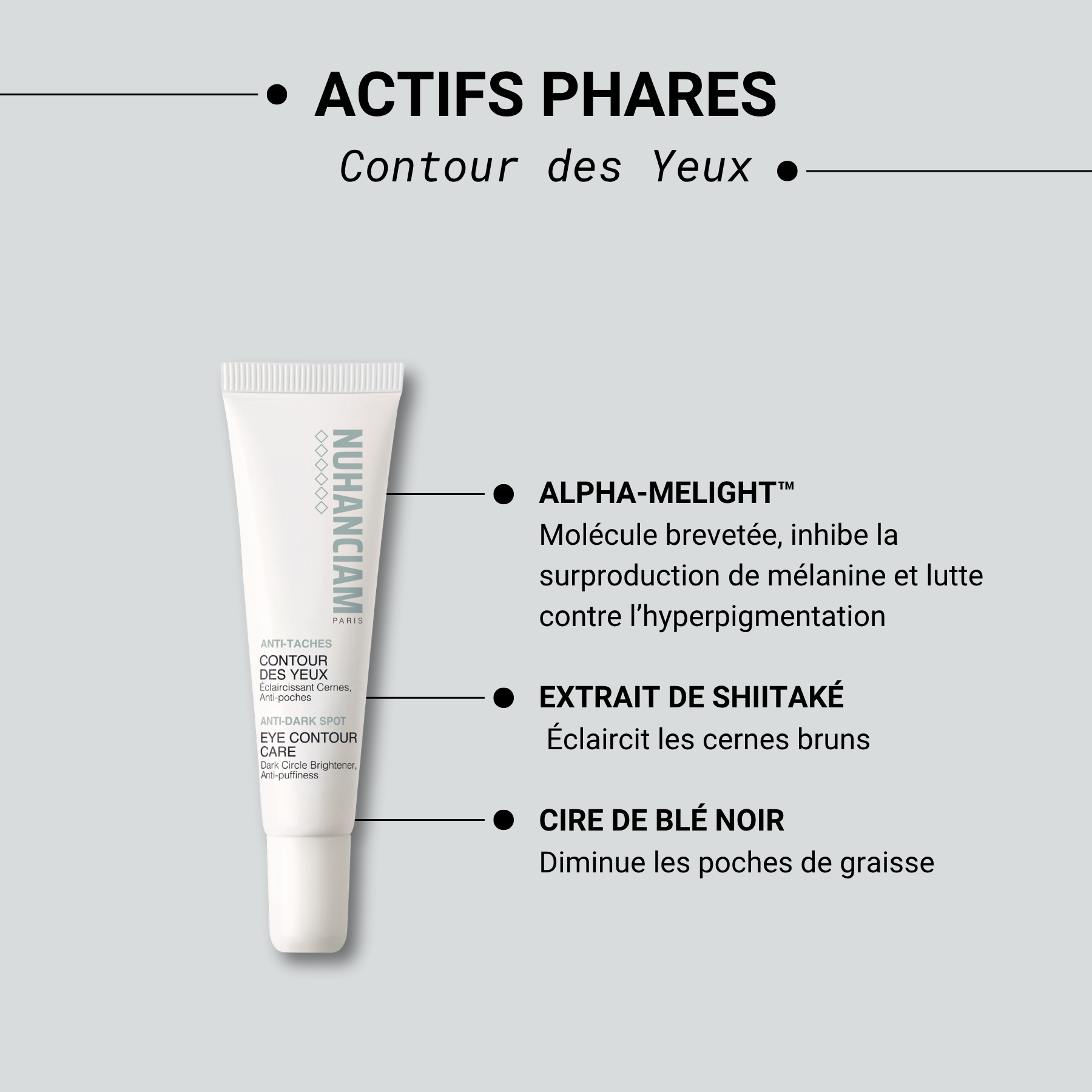
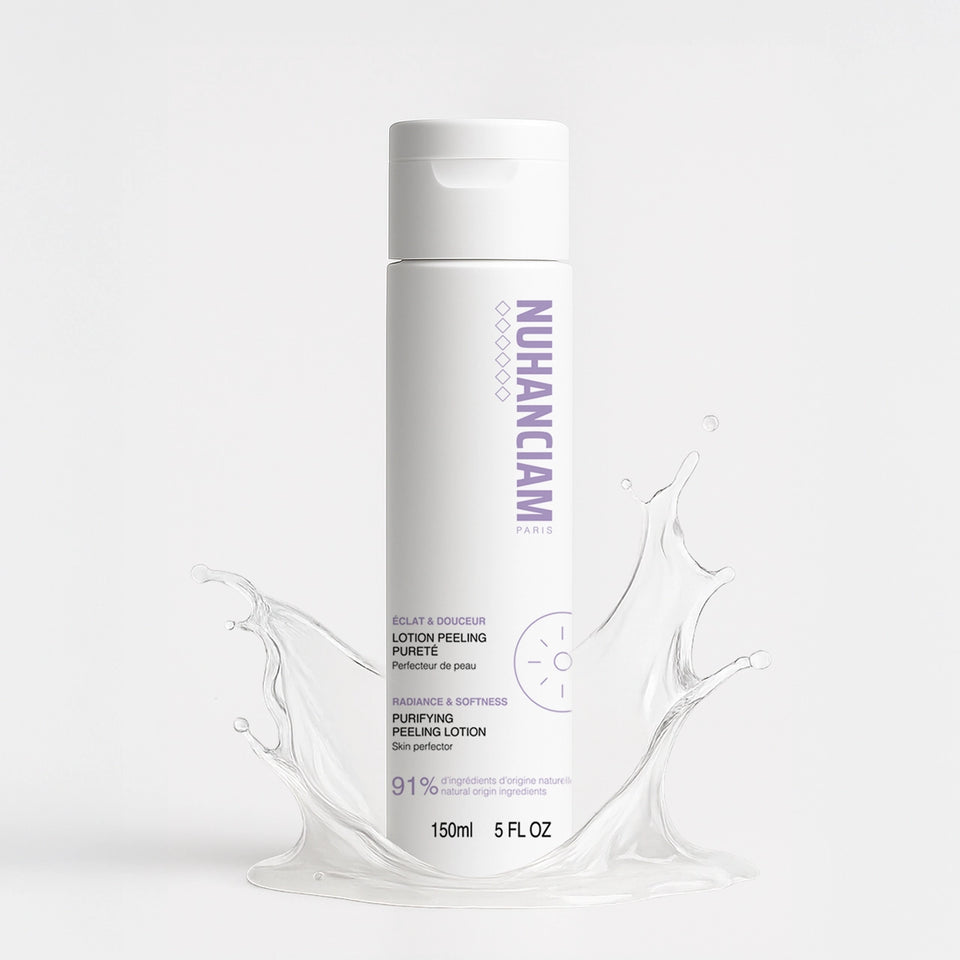
At NUHANCIAM, we’ve specifically chosen to incorporate niacinamide into several of our anti-blemish and anti-dark spot products, as well as into our skin-perfecting lotion. Very well tolerated by all skin tones and skin types, niacinamide perfectly embodies our innovative vision of skincare: effective and respectful of every skin’s sensitivity.

Purifying Peeling Lotion Paris Purifying Peeling Lotion with Water Splashes